
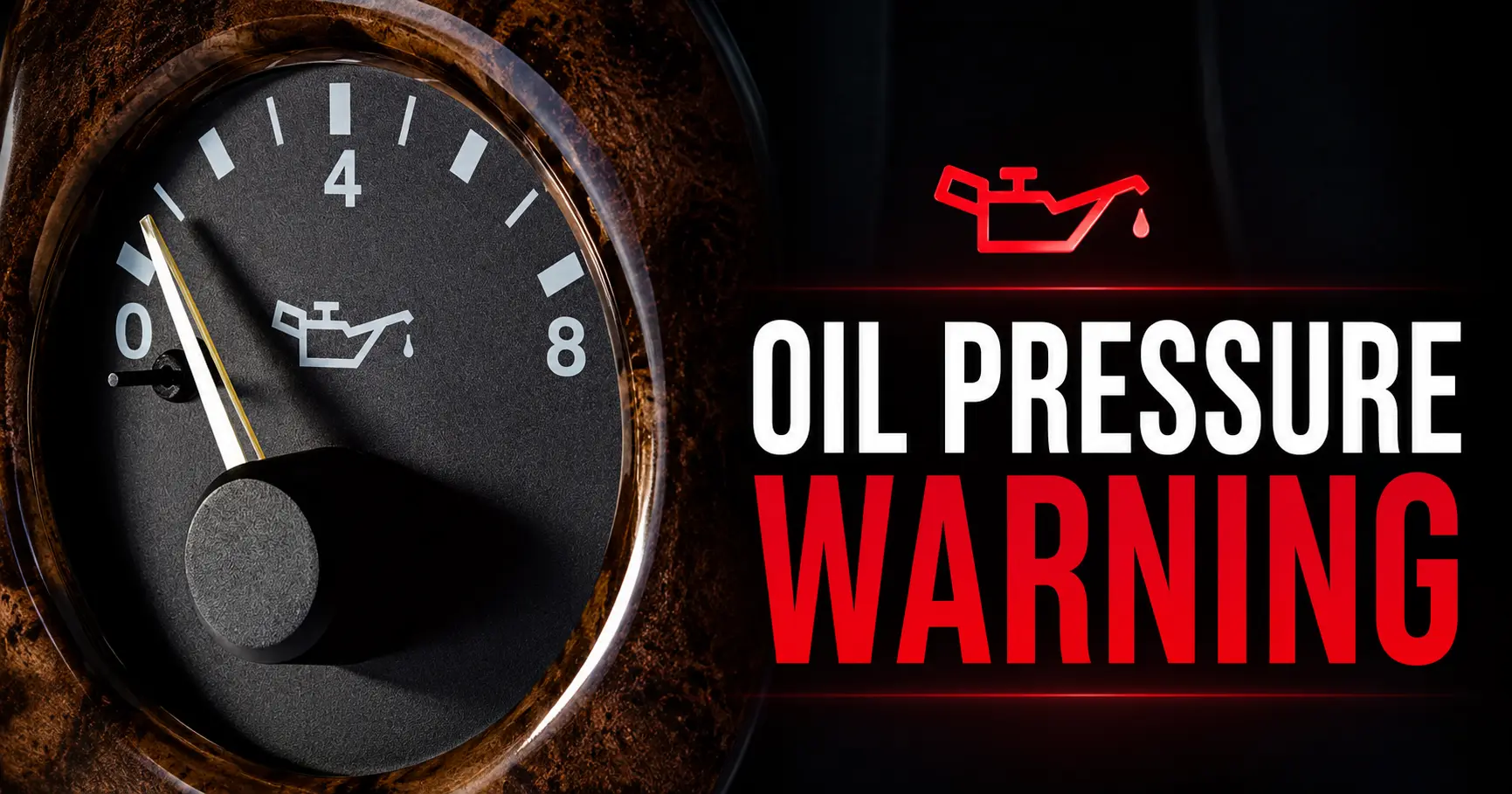
A red oil pressure warning light is one of the most serious dashboard warnings your vehicle can display. Unlike a maintenance reminder, this light means your engine may not be receiving enough oil pressure to properly lubricate critical internal components. Continuing to drive with low oil pressure can quickly lead to excessive friction, overheating, severe engine wear, or even complete engine failure.
In many cases, the problem is caused by something relatively simple, such as a low engine oil level or a faulty oil pressure sensor. However, it can also indicate more serious issues, including a failing oil pump, clogged oil pickup tube, worn engine bearings, or restricted oil passages. Knowing the difference can help you avoid costly repairs.
This guide explains what the oil pressure warning light means, how the engine lubrication system works, whether it’s safe to continue driving, the most common causes, warning signs to watch for, diagnostic procedures, repair costs, and practical maintenance tips to keep your engine protected.
What Does the Red Oil Pressure Warning Light Mean?
The oil pressure warning light, sometimes called the engine oil warning light, low oil pressure light, or oil can warning light, indicates that your engine’s lubrication system has detected dangerously low oil pressure.
Unlike the oil change reminder, this warning is not telling you it’s time for routine maintenance. Instead, it means the engine may not be circulating enough pressurized oil to lubricate moving components such as the crankshaft, camshaft, connecting rod bearings, hydraulic lifters, timing chain, and valve train.
Without adequate lubrication, metal components begin rubbing directly against each other. This increases friction, generates excessive heat, and accelerates wear. If ignored, low oil pressure can lead to catastrophic engine damage within minutes.
Most vehicles display this warning as a red oil can symbol, although some manufacturers also display messages such as:
- Low Oil Pressure
- Engine Oil Pressure Low
- Stop Engine
- Oil Pressure Warning
- Check Oil Pressure
Because this warning relates to engine protection rather than routine maintenance, you should never ignore it.
Key Takeaway: A red oil pressure warning light means the engine may not be receiving enough pressurized oil. Stop driving as soon as it is safe, switch off the engine, and investigate the cause before continuing.
When Is the Oil Pressure Warning Light Normal?
Not every oil pressure warning indicates a serious problem. In some situations, the light may appear briefly as part of normal operation.
During Engine Start-Up
The oil pressure light usually turns on for a few seconds during the dashboard self-test and should go out once the engine builds normal oil pressure.
After an Oil Change
The light may stay on briefly while the oil pump fills the new oil filter. If it doesn’t turn off within a few seconds, check the oil level, oil viscosity, oil filter installation, and inspect for leaks.
During Cold Weather
Cold temperatures can thicken engine oil and delay oil circulation during startup, causing the warning light to stay on slightly longer. Using the manufacturer-recommended oil viscosity, such as 0W-20, 5W-20, or 5W-30, helps ensure proper lubrication in cold conditions.
How the Engine Lubrication System Works
The engine lubrication system circulates pressurized oil to reduce friction, cool engine components, prevent corrosion, and remove contaminants.
Oil Flow Path:
Oil Pan → Oil Pickup Tube → Oil Pump → Oil Filter → Oil Galleries → Engine Bearings → Camshaft & Valve Train → Oil Pan
The main components include:
- Oil Pan (Oil Sump): Stores the engine oil.
- Oil Pickup Tube & Screen: Draws oil from the pan and filters large debris before it reaches the pump.
- Oil Pump: Pressurizes and circulates oil throughout the engine.
- Oil Filter: Removes dirt, sludge, and metal particles to keep the oil clean.
- Oil Galleries: Internal passages that distribute oil to moving engine parts.
- Engine Bearings & Valve Train: Receive pressurized oil to lubricate the crankshaft, camshaft, bearings, hydraulic lifters, and valve train.
- Oil Pressure Sensor: Monitors oil pressure and signals the ECU/PCM to activate the oil pressure warning light if pressure falls below the safe limit.
Oil Pressure Warning Light vs Oil Change Reminder
Many drivers confuse these two dashboard indicators, but they serve completely different purposes.
| Feature | Oil Pressure Warning Light | Oil Change Reminder |
| Purpose | Warns of unsafe oil pressure | Reminds you about scheduled maintenance |
| Severity | High – stop driving safely | Low – schedule an oil change |
| Warning Color | Usually red | Usually yellow or amber |
| Immediate Engine Risk | Yes | No |
| Requires Diagnosis | Yes | Usually no |
An oil change reminder is based on mileage, time, or the vehicle’s oil life monitoring system.
An oil pressure warning indicates a real-time lubrication problem that could damage the engine if ignored.
Never assume a red oil pressure light is simply telling you to change the oil.
Is It Safe to Drive With the Oil Pressure Light On?
In almost every situation, no.
Driving with insufficient oil pressure puts every lubricated engine component at risk.
Even if the engine seems to run normally, internal damage may already be occurring.
Low oil pressure reduces the protective oil film between moving parts, allowing friction and heat to increase rapidly.
Within a short period, this can lead to:
- Accelerated engine wear
- Overheating
- Bearing damage
- Camshaft wear
- Timing chain damage
- Hydraulic lifter failure
- Engine knocking
- Complete engine seizure
If the warning appears while driving:
- Reduce speed safely.
- Pull over as soon as possible.
- Turn the engine off.
- Check the engine oil level after allowing the oil to settle.
- Do not continue driving if the light remains on or the engine makes unusual noises.
Ignoring the warning could transform a relatively inexpensive repair into a complete engine replacement.
11 Common Causes of Low Engine Oil Pressure
The oil pressure warning light can illuminate for several different reasons. While a low engine oil level is the most common cause, many other problems within the lubrication system can trigger the warning. Identifying the root cause early can help prevent expensive engine repairs.
Below are the most common reasons the oil pressure warning light comes on.
1. Low Engine Oil Level
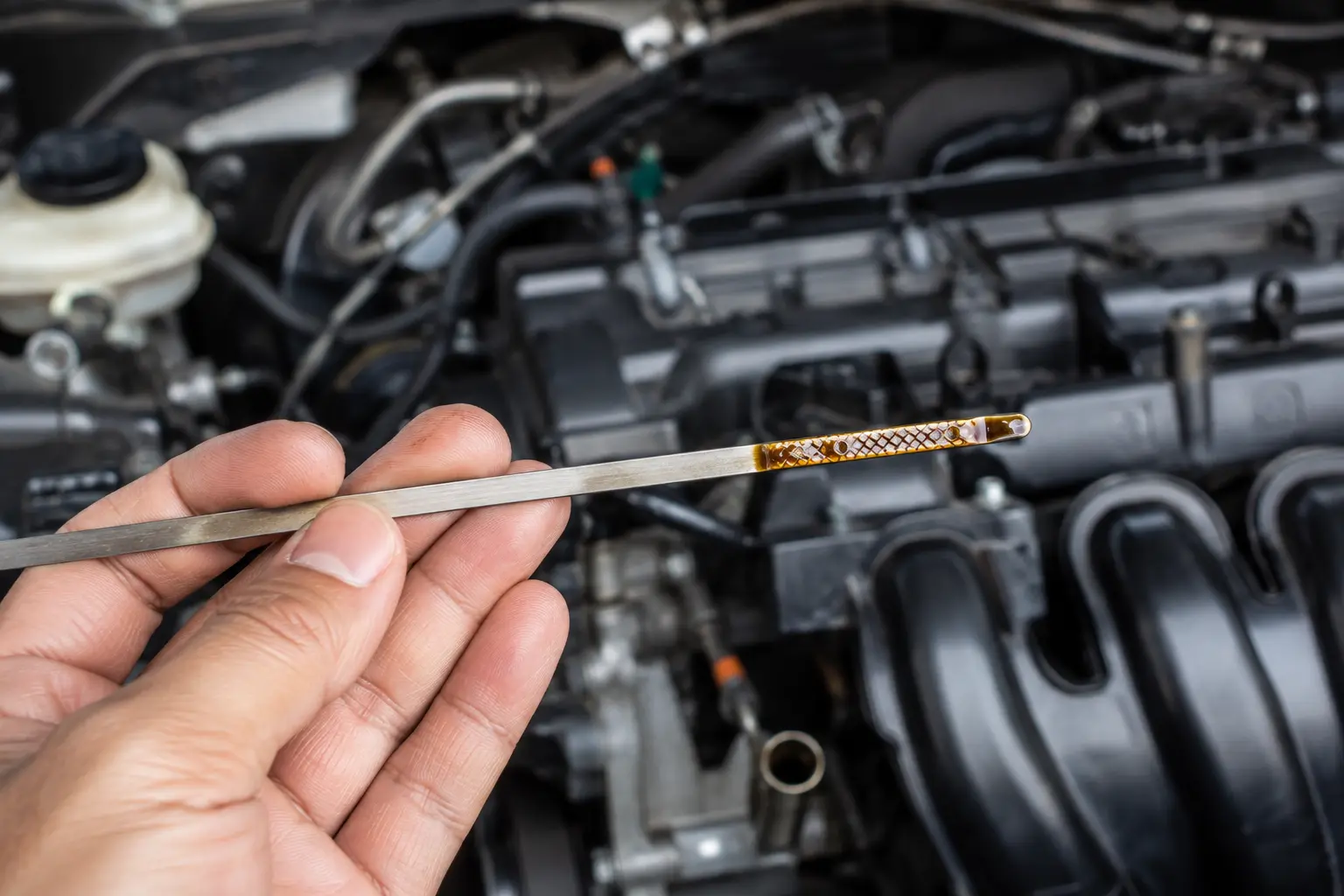
Low engine oil is responsible for many oil pressure warning lights.
As engine oil naturally degrades over time, a small amount is consumed during normal engine operation. Oil can also be lost through leaks, worn piston rings, valve seals, or neglected maintenance.
When the oil level drops too low, the oil pickup tube may begin drawing air along with oil. This reduces the amount of pressurized oil flowing through the engine and causes the warning light to illuminate.
Common causes include:
- Delayed oil changes
- External oil leaks
- Internal oil consumption
- Worn piston rings
- Valve stem seal wear
- Poor maintenance
Symptoms often include:
- Oil pressure light while driving
- Oil pressure light during hard braking
- Engine ticking noise
- Low reading on the dipstick
Always check the oil level before assuming a more serious mechanical failure.
2. Wrong Oil Viscosity
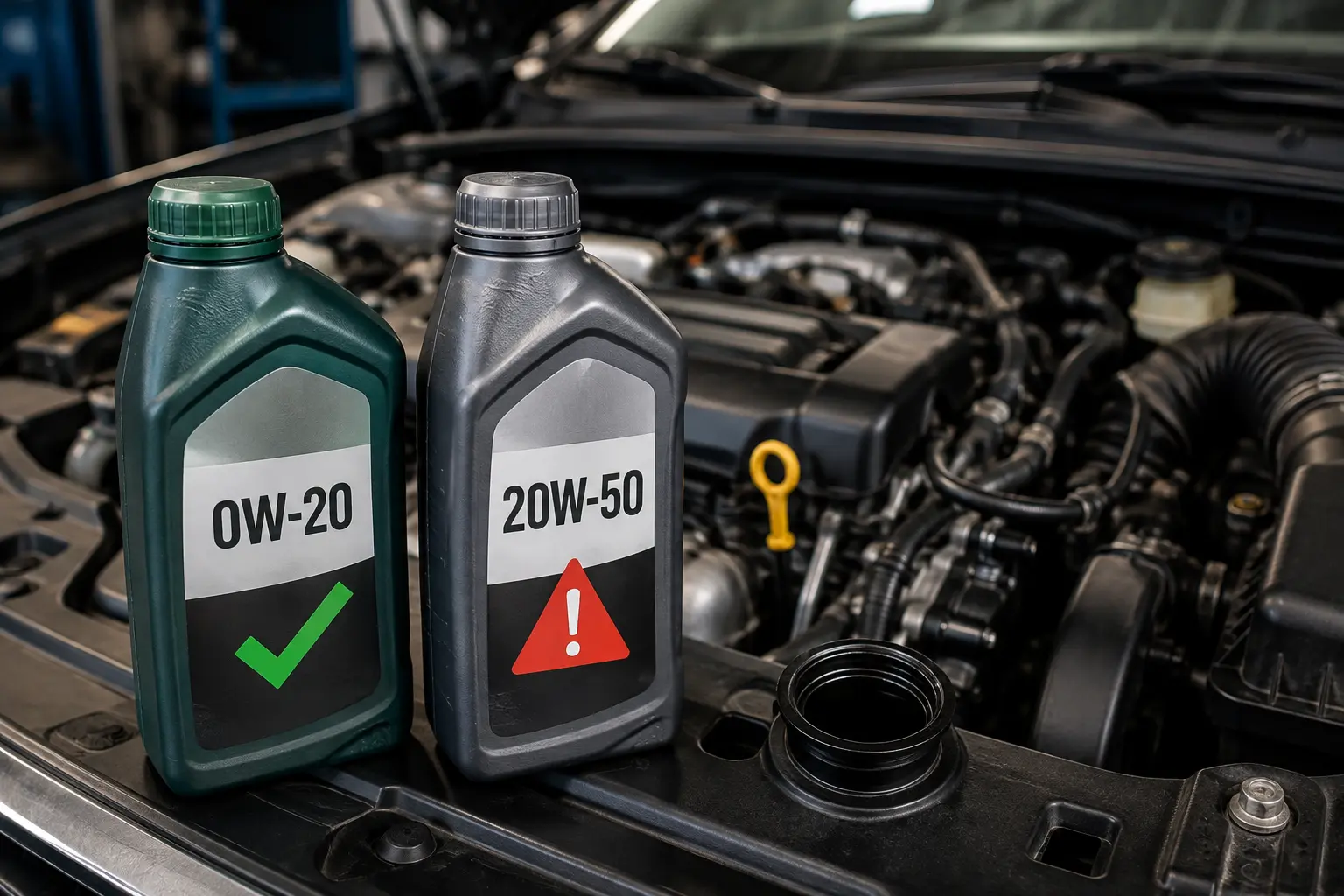
Using the wrong motor oil can affect oil pressure more than many drivers realize.
Every engine is designed to operate with a specific SAE viscosity grade, such as:
- 0W-20
- 5W-20
- 5W-30
- 10W-30
Oil that is too thin may not maintain adequate pressure once the engine reaches operating temperature.
Oil that is too thick can restrict circulation during cold starts, delaying lubrication to critical engine components.
Always use the oil grade specified in your owner’s manual and choose products that meet the required API certification and manufacturer specifications.
3. Dirty Oil or Engine Sludge
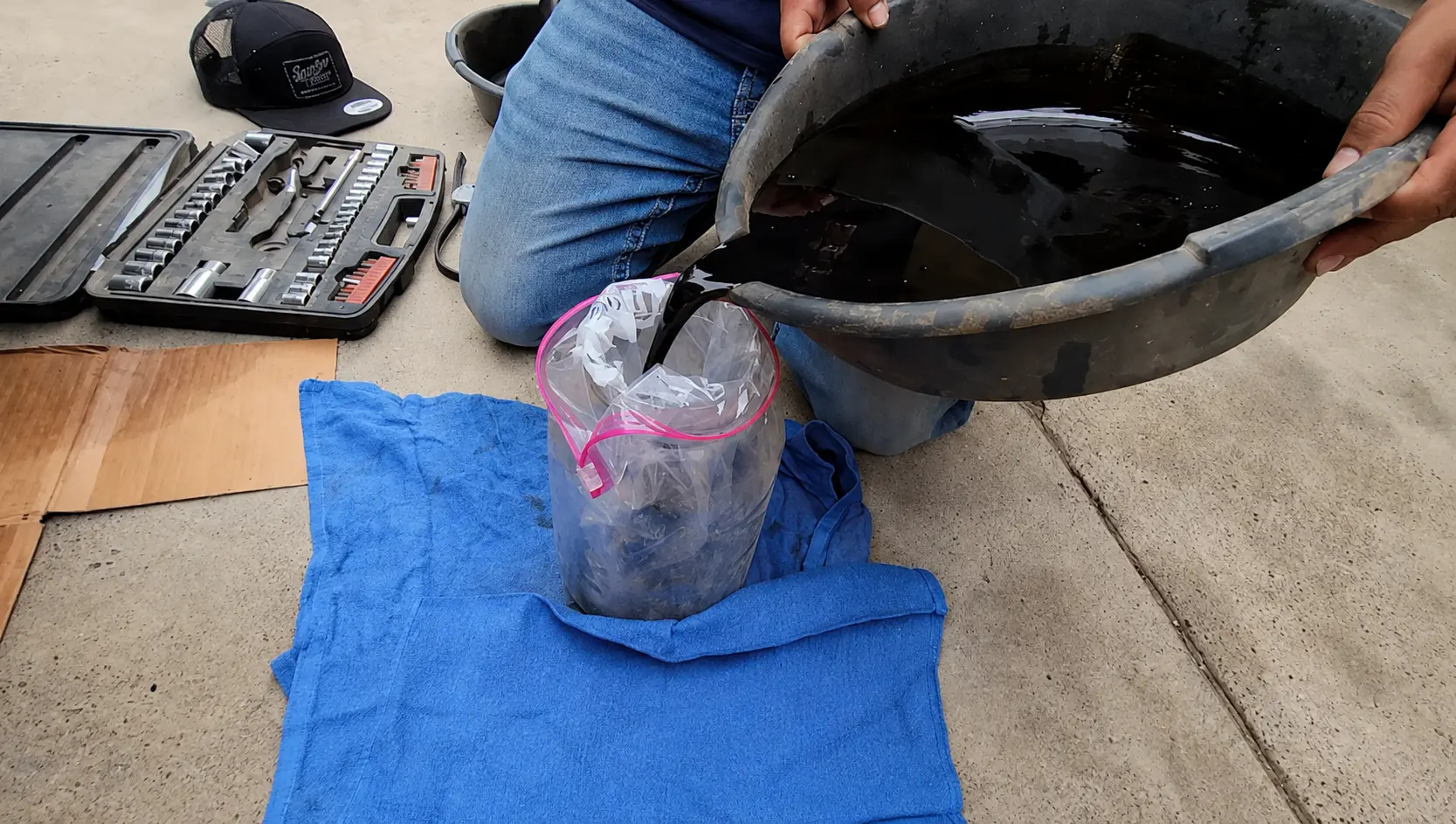
Motor oil gradually becomes contaminated with:
- Carbon deposits
- Dust
- Moisture
- Fuel dilution
- Metal particles
If oil changes are neglected, these contaminants form engine sludge.
Sludge restricts oil flow through the:
- Oil pickup screen
- Oil filter
- Oil galleries
- Oil return passages
As oil circulation becomes restricted, pressure drops and lubrication suffers.
Signs of sludge buildup include:
- Dark, thick oil
- Slow oil return
- Engine overheating
- Oil pressure warning at idle
- Increased engine noise
Regular oil and filter changes are the best defense against sludge formation.
4. Faulty Oil Pressure Sensor
The oil pressure sensor continuously monitors engine oil pressure and sends information to the Engine Control Unit (ECU) or Powertrain Control Module (PCM).
Like any electronic component, the sensor can fail over time.
When this happens, it may incorrectly report low oil pressure even though the lubrication system is functioning normally.
Common symptoms include:
- Oil pressure light remains on
- No unusual engine noise
- Oil level is correct
- Engine runs smoothly
- No overheating
A professional diagnosis using a mechanical oil pressure gauge can determine whether the warning is caused by an actual lubrication problem or simply a faulty sensor.
5. Failing Oil Pump
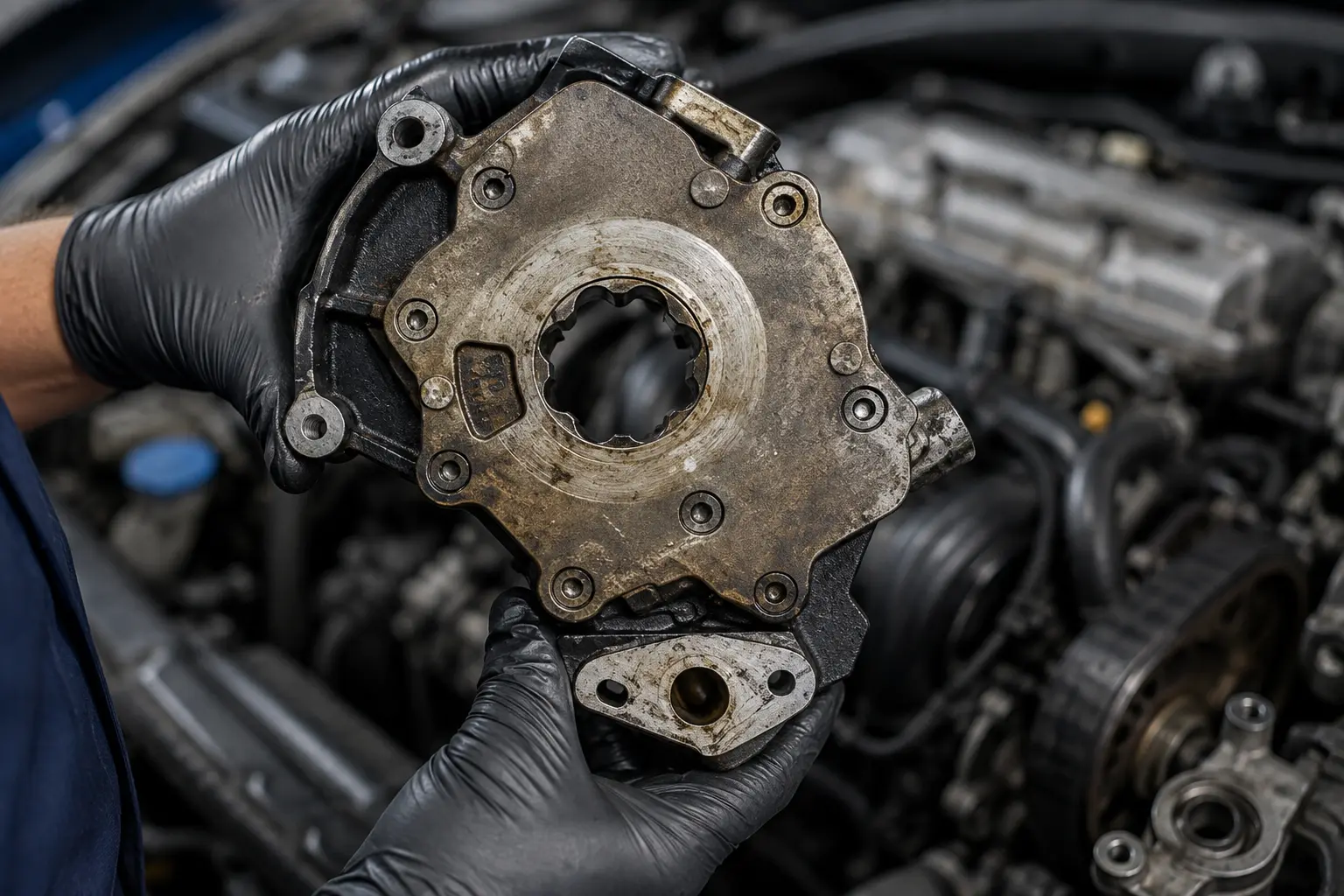
The oil pump is responsible for maintaining pressure throughout the lubrication system.
As internal gears or rotors wear, the pump may no longer generate sufficient oil pressure.
A failing oil pump is a serious problem because every lubricated engine component depends on it.
Possible symptoms include:
- Persistent oil pressure warning
- Engine knocking
- Hydraulic lifter noise
- Camshaft wear
- Engine overheating
- Low pressure at all engine speeds
If the oil pump fails, continuing to drive can destroy the engine within a very short time.
6. Clogged Oil Pickup Tube or Pickup Screen
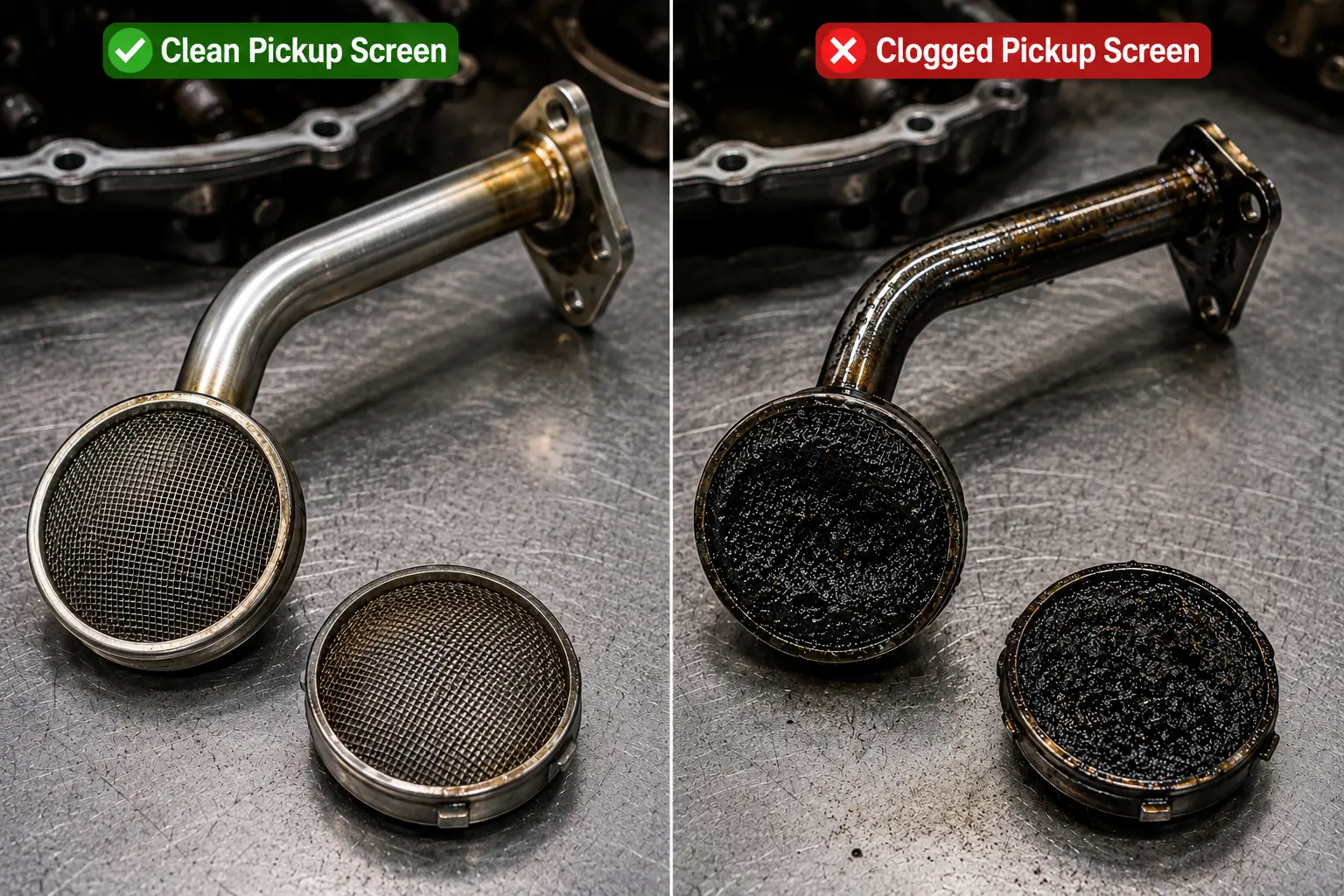
The oil pickup tube draws oil from the oil pan into the oil pump.
A mesh pickup screen prevents large debris from entering the lubrication system.
Over time, sludge, gasket material, silicone sealant, or carbon deposits can partially block this screen.
As oil flow becomes restricted, the pump cannot maintain normal pressure.
Common warning signs include:
- Oil light flickers at idle
- Pressure drops when engine warms up
- Engine ticking
- Poor lubrication
- Sludge visible inside engine
Cleaning or replacing the pickup screen often requires removal of the oil pan.
7. Restricted or Collapsed Oil Filter
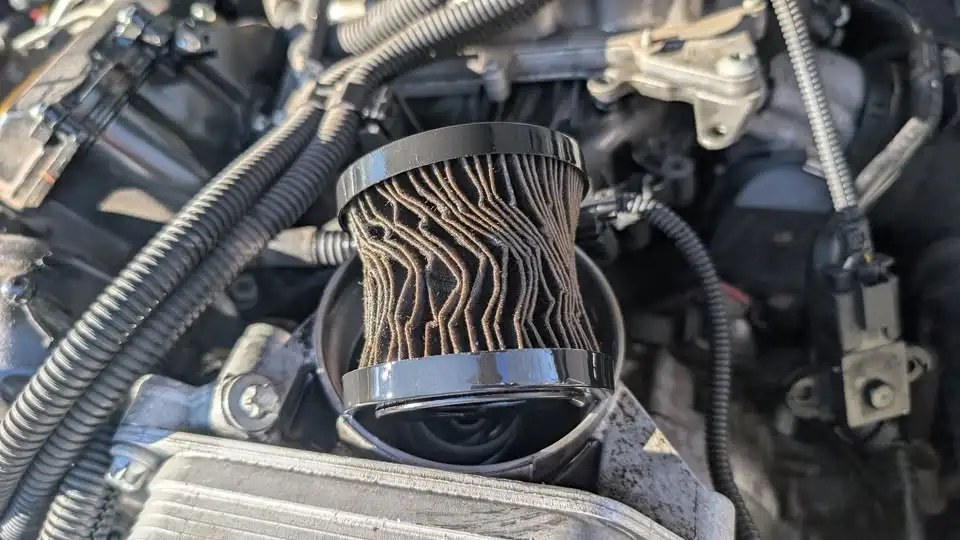
The oil filter removes harmful contaminants before oil reaches critical engine components.
If the filter becomes clogged or collapses internally, oil flow may be restricted.
Although many modern filters include an oil filter bypass valve, a severely restricted filter can still reduce lubrication efficiency.
This problem often occurs when:
- Oil changes are overdue
- Poor-quality filters are used
- Wrong oil filter is installed
Replacing both the oil filter and engine oil usually resolves the issue if no additional damage has occurred.
8. Worn Engine Bearings
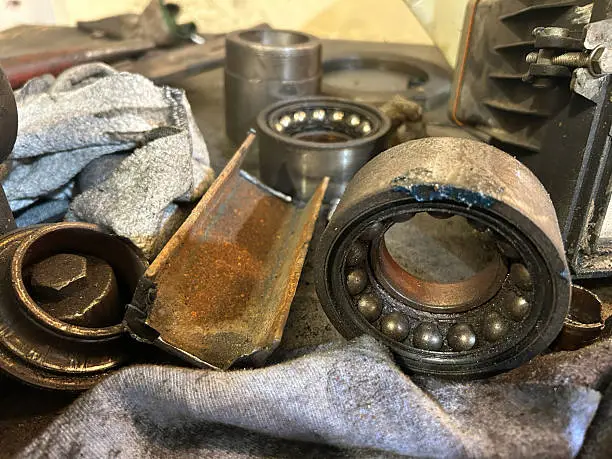
Inside the engine, main bearings and connecting rod bearings rely on a thin film of pressurized oil to prevent direct metal-to-metal contact.
As these bearings wear, the clearance between components increases.
The larger clearance allows oil to escape more quickly, reducing overall system pressure.
Symptoms often include:
- Oil pressure light at hot idle
- Engine knocking
- Metallic noises
- Low oil pressure after engine warms up
- Reduced engine life
Unfortunately, worn bearings usually require extensive engine repair or rebuilding.
9. Oil Leaks
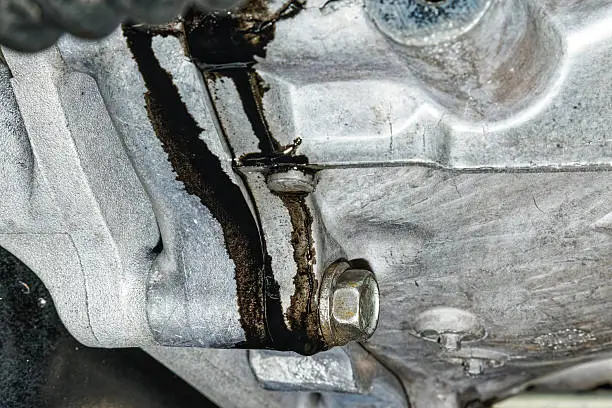
Even a small oil leak can gradually reduce the amount of oil available for circulation.
Common leak locations include:
- Oil pan gasket
- Valve cover gasket
- Front crankshaft seal
- Rear main seal
- Oil filter housing
- Oil cooler lines
- Drain plug washer
If the leak becomes severe enough, oil pressure may eventually fall below the manufacturer’s specification.
Signs include:
- Oil spots under the vehicle
- Burning oil smell
- Smoke from engine compartment
- Frequent need to top off oil
Ignoring leaks can eventually lead to dangerously low oil pressure.
10. Oil Pressure Relief Valve Stuck Open
Most oil pumps contain an oil pressure relief valve.
Its purpose is to prevent excessive pressure by allowing surplus oil to bypass the pump once pressure reaches a predetermined level.
If this valve sticks open because of debris or wear, oil pressure may remain too low throughout the engine.
Although less common than other causes, it can produce symptoms nearly identical to a failing oil pump.
11. Internal Engine Wear
High-mileage engines naturally experience wear over time.
Excessive wear in components such as:
- Crankshaft journals
- Camshaft bearings
- Oil galleries
- Hydraulic lifters
- Valve train
can all contribute to lower oil pressure.
As tolerances increase, the lubrication system struggles to maintain the pressure required for proper hydrodynamic lubrication.
This is more common in vehicles with:
- Very high mileage
- Poor maintenance history
- Extended oil change intervals
- Frequent overheating
Symptoms That Often Accompany the Oil Pressure Warning
The oil pressure warning light is rarely the only sign that something is wrong. Paying attention to other symptoms can help identify the underlying problem before serious engine damage occurs.
Engine Knocking
One of the most serious warning signs is a deep knocking sound coming from the engine.
Low oil pressure prevents the connecting rod bearings and main bearings from receiving adequate lubrication, allowing metal components to strike each other.
If you hear knocking along with the oil warning light, shut the engine off immediately.
Ticking or Clicking Noise
A rapid ticking sound from the top of the engine often indicates insufficient lubrication reaching the hydraulic lifters, camshaft, or valve train.
This symptom commonly appears during cold starts or when oil pressure becomes low at idle.
Engine Overheating
Engine oil not only lubricates components but also helps carry heat away from moving parts.
When oil pressure falls, friction increases and operating temperatures rise.
Overheating combined with an oil pressure warning requires immediate attention.
Burning Oil Smell
If leaking oil reaches hot exhaust components, you may notice a strong burning oil odor.
This often points to an external oil leak that should be repaired before oil pressure becomes critically low.
Oil Pressure Light Flickering
A flickering oil pressure light often indicates pressure fluctuating around the minimum threshold.
This may occur because of:
- Low oil level
- Worn bearings
- Failing oil pump
- Faulty oil pressure sensor
- Clogged pickup screen
Unlike a warning that stays on continuously, a flickering light should never be ignored because intermittent pressure loss can still damage the engine.
What Should You Do When the Oil Pressure Light Comes On?
If the oil pressure warning light comes on while driving, act immediately to help prevent serious engine damage.
1. Pull Over Safely
Reduce your speed, avoid hard acceleration, and pull over as soon as it’s safe. If you hear knocking, ticking, or grinding noises, stop immediately.
2. Turn Off the Engine
Switch the engine off and wait 5–10 minutes for the oil to drain back into the oil pan. Continuing to run the engine can damage internal components.
3. Check the Oil Level
Use the dipstick to check the oil level. If it’s low, add the manufacturer-recommended engine oil. Avoid overfilling, as it can also cause lubrication problems.
4. Look for Oil Leaks
Inspect beneath the vehicle and around the oil pan, oil filter, drain plug, and valve cover for signs of oil leaks.
5. Restart the Engine
Start the engine and monitor the dashboard. If the warning light turns off, drive only to a nearby repair shop. If it stays on or returns, switch the engine off immediately.
6. Have the Vehicle Diagnosed
If the oil level is normal but the warning remains illuminated, the problem may involve a faulty oil pressure sensor, failing oil pump, clogged oil pickup screen, worn engine bearings, or another lubrication system fault. Have the vehicle inspected by a qualified technician before driving further.
When Should You Stop Driving Immediately?
Certain symptoms indicate that continuing to drive could destroy the engine.
Do not continue driving if you notice:
- Oil pressure light remains on
- Engine knocking
- Loud ticking from the valve train
- Engine overheating
- Burning oil smell
- Blue smoke from exhaust
- Visible oil leak
- Oil pressure warning accompanied by Check Engine Light
- Severe loss of engine power
If any of these symptoms occur, arrange for roadside assistance and have the vehicle transported to a repair shop rather than driving it.
How to Diagnose an Oil Pressure Problem
Simply replacing the oil pressure sensor without proper testing can lead to unnecessary repairs and leave the actual problem unresolved.
Professional technicians usually follow a systematic diagnostic process.
Step 1: Verify the Oil Level
Begin with the simplest check.
Confirm:
- Oil level
- Correct viscosity
- Oil condition
If the oil appears thick, sludgy, milky, or contaminated, further inspection is necessary.
Step 2: Inspect the Engine for Leaks
Check the lubrication system for external leaks.
Pay close attention to:
- Oil pan gasket
- Valve cover gasket
- Oil filter housing
- Oil cooler
- Front crankshaft seal
- Rear main seal
Repairing an oil leak early may prevent larger engine problems.
Step 3: Scan the Vehicle
A professional OBD-II scanner can retrieve Diagnostic Trouble Codes (DTCs) stored in the ECU or PCM.
Although low oil pressure itself is usually confirmed mechanically, stored codes help identify related electrical faults.
Common oil-pressure-related DTCs include:
| DTC | Description |
| P0520 | Engine Oil Pressure Sensor Circuit Malfunction |
| P0521 | Oil Pressure Sensor Range/Performance |
| P0522 | Low Oil Pressure Sensor Voltage |
| P0523 | High Oil Pressure Sensor Voltage |
| P0524 | Engine Oil Pressure Too Low |
These codes help narrow the diagnosis but should always be confirmed with mechanical testing.
Step 4: Perform a Mechanical Oil Pressure Test
This is the most accurate way to confirm actual engine oil pressure.
A technician removes the oil pressure sensor and installs a mechanical oil pressure gauge directly into the engine.
Pressure readings are then compared with the manufacturer’s specifications at:
- Cold idle
- Hot idle
- 2,000 RPM
- 3,000 RPM
If mechanical pressure is normal but the dashboard warning remains on, the sensor or its wiring is usually the problem.
If mechanical pressure is genuinely low, further inspection of the lubrication system is required.
Step 5: Inspect the Oil Pump
If pressure remains below specification, inspect:
- Oil pump gears
- Pump housing
- Pressure relief valve
- Pickup tube
- Pickup screen
Excessive wear or internal damage reduces the pump’s ability to circulate oil throughout the engine.
Step 6: Check for Internal Engine Wear
If the pump is functioning correctly but oil pressure is still low, technicians inspect for excessive wear in:
- Main bearings
- Connecting rod bearings
- Camshaft bearings
- Crankshaft journals
As bearing clearance increases, oil escapes faster than the pump can maintain pressure.
Oil Pressure Warning Light Repair Costs
Repair costs depend entirely on the underlying cause.
The estimates below reflect typical prices in the United States.
| Repair | Average Cost (Parts + Labor) |
| Add engine oil | $10–$40 |
| Oil and filter change | $50–$120 |
| Oil pressure sensor replacement | $80–$250 |
| Oil leak repair | $150–$700 |
| Oil filter housing repair | $150–$450 |
| Oil pickup tube cleaning | $300–$900 |
| Oil pump replacement | $500–$1,500 |
| Engine bearing repair | $1,500–$4,000+ |
| Engine rebuild | $3,500–$7,000+ |
| Engine replacement | $4,500–$10,000+ |
Addressing the warning early often limits repairs to a sensor, oil change, or leak repair. Waiting until engine damage occurs can increase costs dramatically.
How to Prevent Low Oil Pressure
Most oil pressure problems can be avoided with regular maintenance. Follow these simple tips:
Change Engine Oil on Time
Replace the engine oil and oil filter according to your manufacturer’s recommended service schedule to maintain proper lubrication.
Use the Correct Oil Viscosity
Always use the oil grade specified in your owner’s manual, such as 0W-20, 5W-20, or 5W-30. Using the wrong viscosity can reduce oil pressure.
Check the Oil Level Regularly
Inspect the dipstick at least once a month, before long trips, and whenever you notice signs of an oil leak. Keep the oil level within the recommended range.
Replace the Oil Filter
Install a quality OEM or premium aftermarket oil filter with every oil change to ensure proper oil flow and filtration.
Repair Oil Leaks Early
Fix oil leaks as soon as possible to prevent low oil pressure, engine overheating, and costly engine damage.
Don’t Ignore Warning Signs
If you notice engine ticking, a burning oil smell, oil spots under the vehicle, increased oil consumption, or a flickering oil pressure light, have your vehicle inspected promptly. Early diagnosis can prevent expensive repairs.
Final Thoughts
The oil pressure warning light is one of the few dashboard indicators that should never be ignored. While a low oil level is the most common cause, the warning can also indicate a failing oil pump, clogged oil pickup screen, worn engine bearings, restricted oil galleries, or a faulty oil pressure sensor.
Stopping the vehicle safely, checking the oil level, and arranging a proper diagnosis can prevent catastrophic engine failure. Regular oil changes, using the correct API-certified engine oil and viscosity, replacing the oil filter on schedule, and inspecting for leaks remain the best ways to keep your engine properly lubricated and avoid expensive repairs.
Frequently Asked Questions
Can I drive with the oil pressure warning light on?
No. Unless the issue is immediately confirmed as a simple low oil level that is corrected, driving with the warning illuminated can quickly damage the engine.
Why is my oil pressure light on but the oil level is full?
Common causes include a faulty oil pressure sensor, worn oil pump, clogged pickup screen, restricted oil galleries, or excessive engine bearing wear.
Why does the oil pressure light come on only at idle?
This often indicates worn engine bearings, a weak oil pump, or low hot-idle oil pressure. It should be diagnosed promptly.
Can the wrong engine oil cause low oil pressure?
Yes. Using oil with the incorrect viscosity can affect circulation and pressure, particularly during cold starts or when the engine reaches operating temperature.
How often should I check my engine oil?
Check the oil level at least once a month, before long trips, and whenever you notice a warning light, oil leak, or unusual engine noise.