
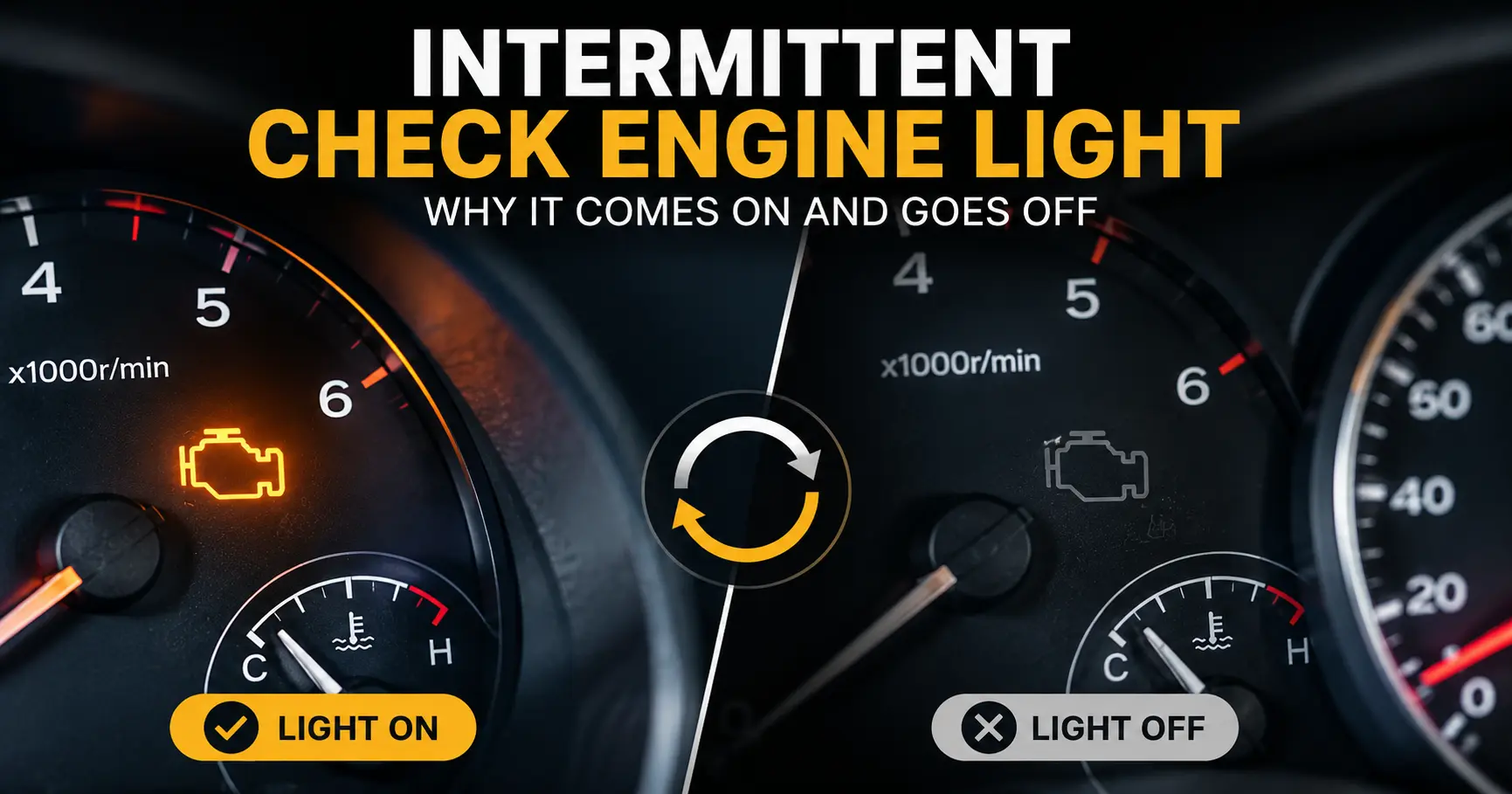
An intermittent check engine light usually means your vehicle has detected a fault that is not present all the time. The problem may occur only during a cold start, acceleration, highway driving, or certain engine temperatures. When the fault is no longer detected, the light may eventually go off.
Common causes include a loose gas cap or EVAP leak, an intermittent engine misfire, vacuum leak, faulty sensor, or poor electrical connection.
If the light is solid and the car runs normally, short-term driving is usually possible. If it flashes and the engine shakes or loses power, the problem is more urgent.
Quick Answer: A Check Engine Light that comes and goes does not necessarily mean the problem fixed itself. The ECM/PCM may stop illuminating the warning after the fault is no longer detected, but a stored or pending Diagnostic Trouble Code (DTC) may remain. Scan for codes before clearing anything.
Why Does My Check Engine Light Come On and Go Off?
The Check Engine Light, also called the Malfunction Indicator Lamp (MIL), turns on when the engine computer detects a fault that meets specific diagnostic conditions.
Some faults only happen under certain operating conditions. For example, a weak ignition coil may misfire during acceleration but work normally at idle. A small EVAP leak may only be detected when the emissions monitor runs.
The light can therefore appear for several trips and later disappear when the fault stops occurring, and subsequent system checks pass.
That does not always mean the underlying problem is gone.
The computer may retain stored or pending diagnostic information even after the warning disappears. An OBD-II scanner can retrieve this information and help determine which system needs further testing.
There are many possible Check Engine Light causes and warning behaviors, so the code and symptoms are more useful than guessing based on the light alone.
6 Common Intermittent Check Engine Light Causes
1. Loose Gas Cap or Small EVAP Leak
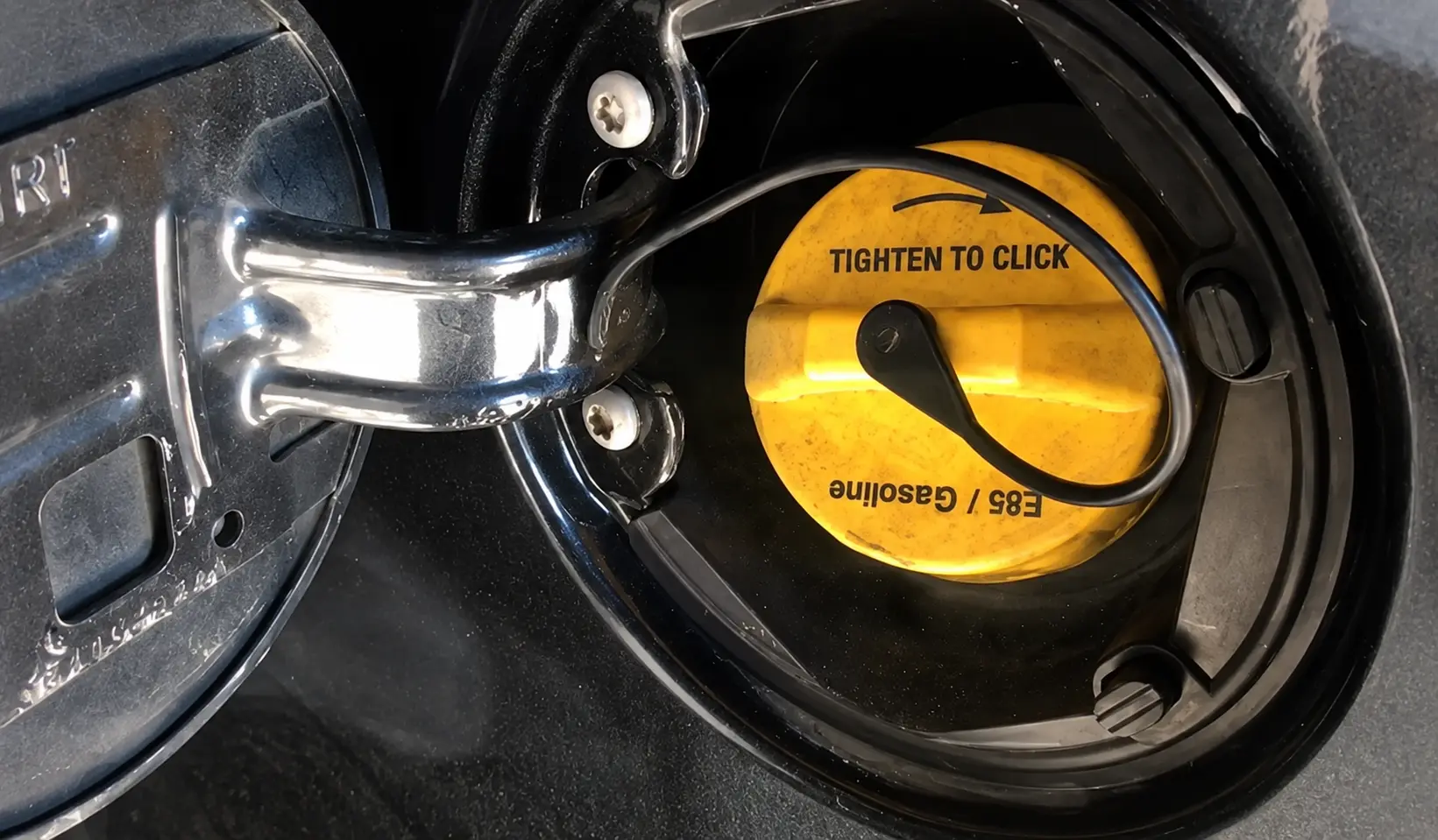
A loose or damaged gas cap can prevent the Evaporative Emission Control System (EVAP) from sealing correctly.
The EVAP monitor only runs when certain conditions are met. This means a small leak may trigger the light during one trip but not another.
Other causes include damaged vapor hoses or problems with the purge or vent valve. Codes such as P0442 or P0456 may indicate a small EVAP leak.
What to do: Make sure the cap is properly tightened and inspect its seal for obvious damage. If an EVAP code returns, further leak testing may be needed.
Safe to drive? Usually yes for a short period if the engine runs normally.
2. Intermittent Engine Misfire
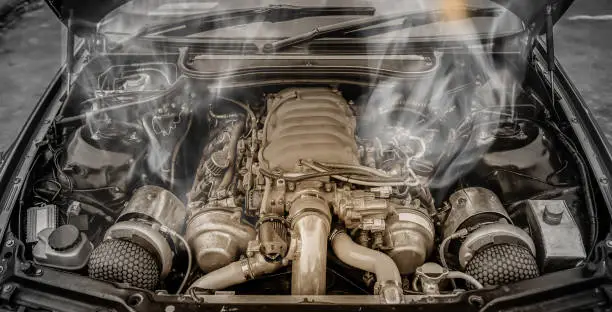
A misfire may occur only under specific engine loads or temperatures.
Common causes include worn spark plugs, weak ignition coils, fuel injector problems, vacuum leaks, and fuel-delivery issues.
You may notice shaking, hesitation, rough idle, or poor acceleration. P0300 indicates a random/multiple-cylinder misfire, while codes such as P0301 or P0302 identify a specific cylinder where the misfire was detected.
Do not automatically replace the ignition coil. A spark plug, injector, wiring issue, or mechanical problem could produce the same code.
What to do: Diagnose the affected cylinder and inspect the ignition, fuel, and mechanical systems as needed.
Safe to drive? A mild intermittent misfire needs diagnosis soon. If the Check Engine Light is flashing and the engine is shaking, stop driving when safe because a severe misfire can damage the catalytic converter.
3. Oxygen Sensor or Air-Fuel Problem
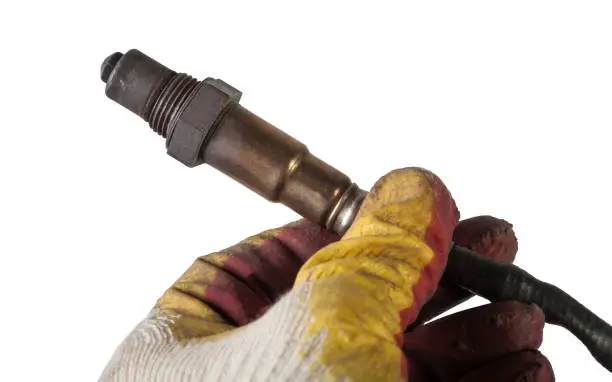
An aging oxygen sensor or air-fuel ratio sensor may provide inaccurate or unstable readings only under certain operating conditions.
You might notice reduced fuel economy, hesitation, rough running, or no obvious symptoms at all.
The sensor itself is not always the cause. Vacuum leaks, exhaust leaks, fuel-pressure problems, damaged wiring, or an incorrect air-fuel mixture can affect sensor readings.
What to do: Retrieve the DTC and examine relevant live data and fuel trims before replacing the sensor.
Safe to drive? Usually for a short period when the light is solid, and the engine runs normally, but recurring faults should be diagnosed.
4. Vacuum Leak or MAF Sensor Issue
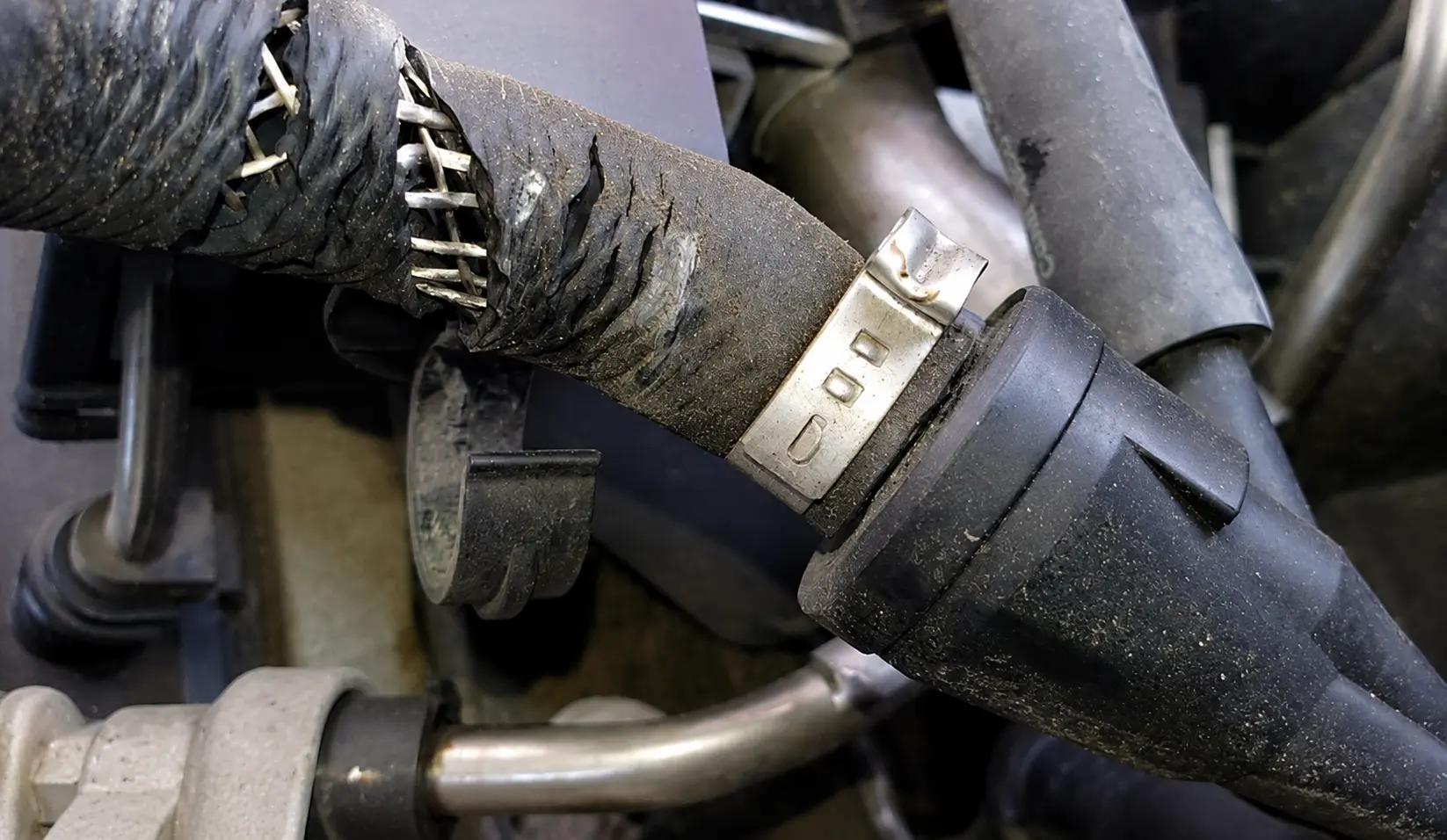
A cracked vacuum hose, intake boot, or leaking gasket can allow unmetered air into the engine.
Some leaks change as the engine heats up because rubber hoses and gaskets expand and contract. That can cause the check engine light to come on intermittently.
A dirty or inaccurate Mass Air Flow (MAF) sensor can create similar fuel-mixture problems.
Common symptoms include rough idle, hesitation, surging, or poor acceleration. Codes such as P0171 and P0174 indicate a lean condition.
What to do: Inspect intake hoses and connections. Fuel-trim and MAF data can help with diagnosis, while a smoke test may locate small intake leaks.
Do not assume a lean code means the oxygen sensor needs replacement.
5. Loose Wiring or Electrical Connection
Electrical problems are particularly important when a check engine light comes on and off intermittently.
Heat, vibration, moisture, and engine movement can affect wiring and connectors. A loose terminal may lose contact during acceleration and reconnect when the engine settles.
Possible problems include:
- Corroded connectors
- Damaged wiring
- Poor electrical grounds
- Loose sensor terminals
What to do: Inspect the wiring and connectors associated with the stored code. Look for corrosion, damaged insulation, loose terminals, and poor grounds.
Safe to drive? It depends on the circuit. A minor emissions fault may not affect driving, while an intermittent crankshaft or throttle signal could cause stalling or loss of power.
6. Sensor Beginning to Fail
Some sensors fail gradually instead of stopping completely.
A crankshaft position sensor, camshaft position sensor, throttle position sensor, or MAF sensor may work normally most of the time but occasionally produce an incorrect signal when hot, cold, or vibrating.
This can make the check engine light intermittent.
What to do: Use the DTC, freeze-frame information, live data, and proper testing to identify the fault.
Remember that a DTC identifies the condition or circuit where the computer detected a problem. It does not automatically tell you which component to replace.
What If the Check Engine Light Flashes Intermittently?
An intermittent flashing check engine light should not be treated the same as a solid warning that comes on for a few trips and then disappears.
A flashing MIL usually indicates a more urgent engine problem, commonly an active misfire that can overheat the catalytic converter.
You may notice:
- Engine shaking
- Jerking
- Rough acceleration
- Loss of power
If the check engine light is flashing intermittently and the engine runs roughly, reduce engine load and stop driving when it is safe.
A solid light that later goes out is generally less urgent than a warning actively flashing while you drive.
Can You Drive With an Intermittent Check Engine Light?
Your symptoms determine the urgency.
Usually okay for cautious short-term driving:
- Check Engine Light is solid
- Engine runs smoothly
- Acceleration remains normal
- No other serious warnings appear
Get it diagnosed soon if:
- The warning repeatedly returns
- The engine hesitates
- Idle becomes rough
- Fuel economy changes noticeably
Stop driving when safe if:
- Check Engine Light flashes
- Engine shakes badly
- Vehicle repeatedly stalls
- Power drops significantly
- Engine overheats
- Low oil-pressure warning appears
Even if the light disappears, pay attention to changes in how the vehicle runs.
What to Do When the Check Engine Light Comes On Intermittently
First, notice when the warning appears. Does it happen after refueling, during a cold start, under acceleration, at highway speed, or only when the engine is hot? These patterns can help locate intermittent faults.
Next, scan the vehicle even if the light has gone out.
Check for:
- Stored DTCs
- Pending DTCs
- Freeze-frame data
Freeze-frame data records operating conditions when certain faults are detected and can provide useful clues.
Do not immediately disconnect the battery or erase the codes. You may remove information needed to diagnose the original problem.
Then match the code with the symptoms. For example, P0301 combined with shaking under acceleration points toward diagnosing a cylinder 1 misfire. P0456 with no drivability problems directs attention toward a small EVAP leak.
Test the affected system before replacing anything.
After repairing the root cause, the warning may go away as the vehicle completes its required self-tests. If manual clearing is appropriate, resetting the Check Engine Light should come after diagnosis and repair, not before.
The Bottom Line
An intermittent check engine light usually means the fault itself is intermittent or only detected under specific operating conditions. The warning disappearing does not prove the problem has fixed itself.
If the engine runs normally and the light is solid, cautious short-term driving is generally reasonable while you arrange diagnosis. If the check engine light intermittently flashes, especially with shaking or significant power loss, stop driving when safe.
Scan for stored and pending codes before clearing anything. Then use the DTCs, symptoms, freeze-frame information, and proper testing to find the actual cause instead of replacing parts based only on a code description.
FAQs
Why does my Check Engine Light come on and then go off?
The fault may only occur under certain driving or temperature conditions. When the ECM/PCM stops detecting it and later system checks pass, the warning may turn off even though diagnostic information remains stored.
Will a code remain if the Check Engine Light goes away?
It can. Stored, pending, or historical diagnostic information may remain after the warning turns off. Scan the vehicle before clearing anything.
Why does my Check Engine Light come on only during acceleration?
A warning that appears under acceleration can result from an ignition misfire, fuel-delivery problem, airflow issue, or electrical connection that fails under higher engine load.
Can a loose gas cap cause an intermittent Check Engine Light?
Yes. A loose or leaking gas cap can cause an EVAP system test to fail. Because the EVAP monitor only runs under certain conditions, the warning may not appear continuously.