
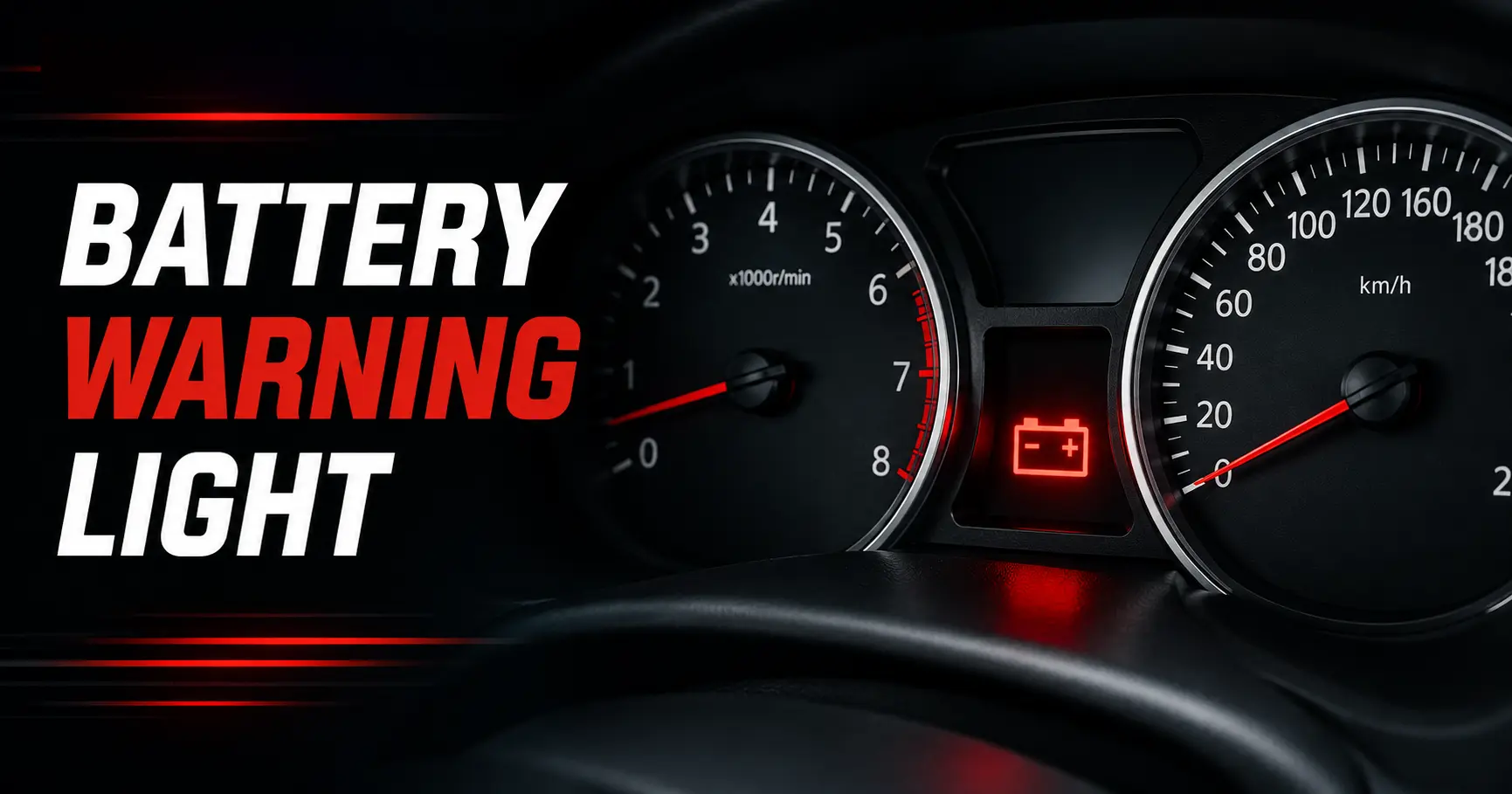
A battery warning light can appear without warning, and many drivers immediately assume the battery has failed. In reality, that’s not what this dashboard symbol usually means.
In most cases, it indicates that your vehicle’s charging system is no longer supplying enough electrical power to keep the battery charged while the engine is running.
Ignoring this warning can leave you stranded with a dead battery, a stalled engine, or a malfunctioning electrical system.
While some charging system problems develop gradually, others can cause the battery to discharge in less than an hour depending on the vehicle, electrical load, and the underlying fault.
This article explains what the battery warning light really means, whether it’s safe to continue driving, the most common causes, symptoms to watch for, how to diagnose the problem correctly, estimated repair costs, and practical steps to prevent it from happening again.
What Does the Car Battery Light Mean?
The battery warning light, sometimes called the battery indicator, battery dashboard light, or charging system warning light, tells you that your vehicle’s charging system is not operating as intended.
Despite its name, this warning does not automatically mean the battery itself is bad.
Instead, it means the battery is not receiving enough charge from the alternator or another component in the charging system has failed. As a result, the vehicle begins relying on the battery’s stored electrical energy to power essential systems.
Once that stored power is depleted, the engine may stall, electrical accessories may stop working, and the vehicle may no longer restart.
When Is the Battery Light Normal?
There is one situation where seeing the battery symbol is completely normal.
When you turn the ignition to the ON position before starting the engine, several dashboard warning lights briefly illuminate. This is called a bulb check or system self-test performed by the instrument cluster.
If the battery light turns off within a few seconds after the engine starts, the charging system is working normally.
However, if the light:
- Stays on while driving
- Comes on after starting the engine
- Appears intermittently
- Flickers at idle
- Illuminates together with other warning lights
it indicates a charging system fault that should be diagnosed as soon as possible.
Key takeaway: The battery warning light usually points to a charging system problem, not simply a bad battery.
How Your Vehicle’s Charging System Works
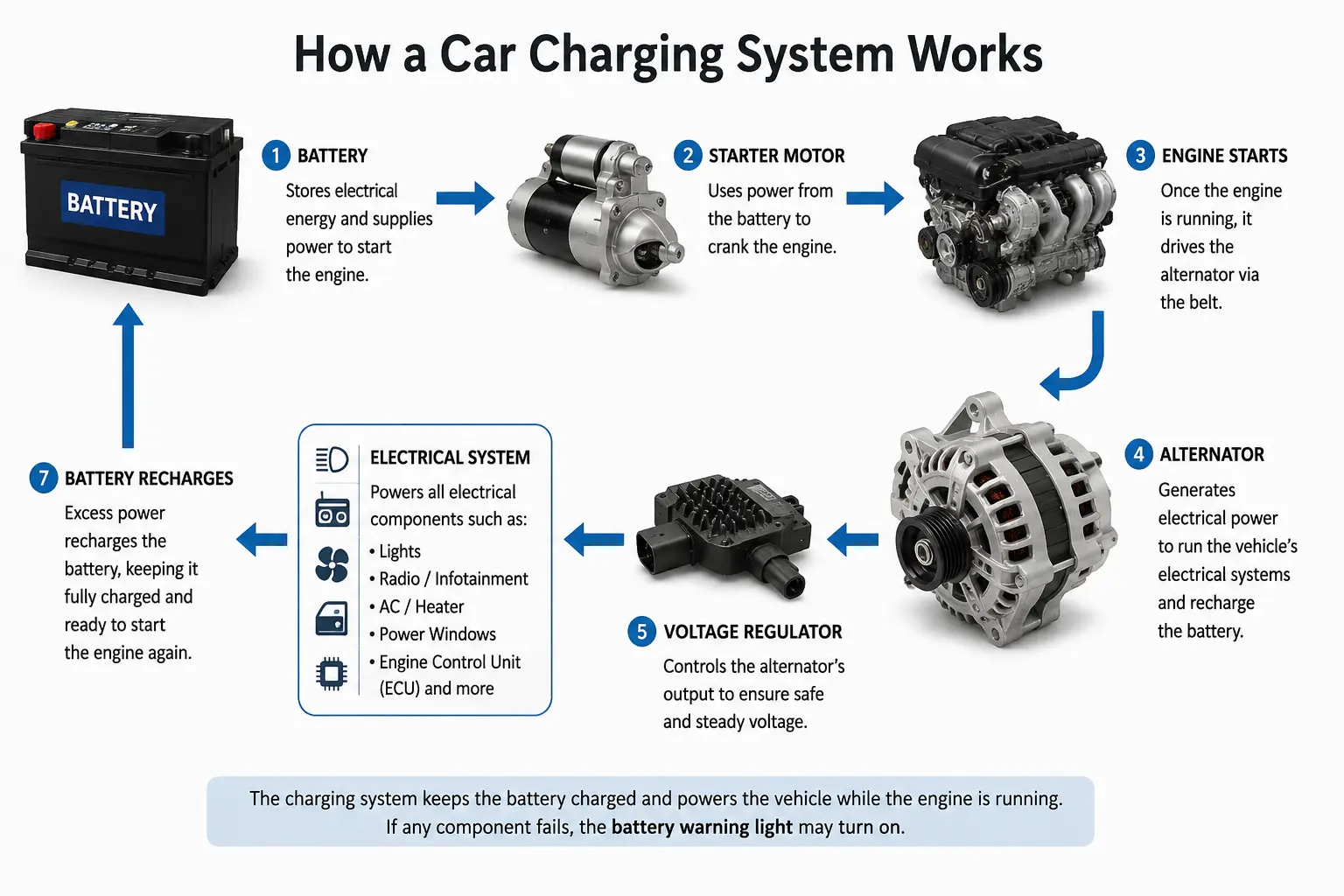
Understanding how the charging system operates makes it much easier to understand why the battery warning light comes on.
Your vehicle’s charging system consists of several components working together to generate, regulate, and distribute electrical power.
The basic process looks like this:
Battery → Starter Motor → Engine Starts → Alternator Produces Electricity → Voltage Regulator Controls Output → Electrical System Powers the Vehicle → Battery Recharges
Each component has a specific job.
Car Battery
The battery stores electrical energy needed to start the engine and power electronics when the engine is off.
Once the engine starts, the battery is no longer the primary power source. Instead, it acts as an electrical reserve while the alternator takes over.
Modern vehicles may use:
- Lead-acid batteries
- AGM (Absorbent Glass Mat) batteries
- Enhanced Flooded Batteries (EFB) in many stop-start systems
Regardless of battery type, it depends on a healthy charging system to remain fully charged.
Alternator
The alternator is the heart of the charging system.
Driven by the serpentine belt, it converts mechanical energy from the running engine into electrical energy. That electricity powers headlights, the climate control system, infotainment, windshield wipers, electric power steering, and dozens of electronic control modules while simultaneously recharging the battery.
If the alternator cannot produce sufficient voltage, the battery begins supplying all electrical power until it becomes discharged.
Voltage Regulator
The voltage regulator controls the alternator’s output.
Too little voltage causes the battery to drain.
Too much voltage can damage the battery and sensitive electronic components, including the Engine Control Unit (ECU), Powertrain Control Module (PCM), sensors, and onboard electronics.
Most modern vehicles maintain charging voltage within a safe operating range to protect the electrical system.
Serpentine Belt
The serpentine belt drives the alternator.
If it becomes loose, slips, cracks, or breaks, the alternator may stop charging the battery even though the alternator itself is still functional.
A worn belt is one of the simplest charging system failures to identify during a visual inspection.
Battery Management System (BMS)
Many newer vehicles use a Battery Management System (BMS) or an Intelligent Battery Sensor (IBS).
These systems continuously monitor battery condition, electrical load, charging efficiency, and battery temperature. The ECU adjusts charging output based on driving conditions to improve fuel economy and extend battery life.
Because of these advanced systems, replacing a battery on some vehicles may require registering or calibrating the new battery using a professional scan tool.
Is It Safe to Drive When the Battery Indicator Is On?
The short answer is:
Usually, only for a limited time.
If the battery warning light remains illuminated while driving, your vehicle may be operating almost entirely on battery power.
Once that stored energy is exhausted, essential systems can begin shutting down.
You may notice:
- Dim headlights
- Slow windshield wipers
- Weak climate control blower
- Flickering dashboard lights
- Radio shutting off
- Power windows slowing down
- Electric power steering becoming heavier
- Engine stalling
Exactly how long you can continue driving depends on factors such as:
- Battery condition
- Alternator output
- Electrical demand
- Outside temperature
- Vehicle design
Some vehicles may continue operating for less than 30 minutes after a complete charging system failure, while others may travel considerably farther.
Rather than estimating the remaining driving time, the safest approach is to reduce electrical load and head to the nearest repair facility.
When Should You Stop Driving Immediately?
Stop as soon as it is safe if the battery warning light is accompanied by:
- Burning rubber smell
- Burning electrical smell
- Smoke from the engine compartment
- Rapidly dimming headlights
- Engine overheating
- Loud squealing from the serpentine belt
- Multiple warning lights appearing simultaneously
- Loss of power steering
- Engine beginning to misfire or stall
These symptoms may indicate a failed alternator, broken drive belt, damaged wiring harness, or another serious electrical fault.
Continuing to drive could leave you stranded or cause additional damage.
Most Common Causes Why Is the Battery Light On?
Several different faults can trigger the battery warning lamp. While the alternator is responsible in many cases, it is far from the only possible cause.
1. Failing Alternator
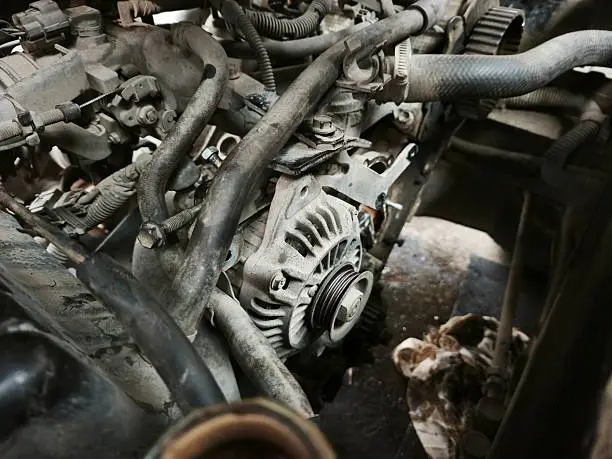
A failing alternator is the leading reason the battery light comes on.
As internal components such as the rectifier, diode pack, brushes, rotor, or stator wear over time, the alternator may no longer generate enough electrical power to keep the battery charged.
Common symptoms include:
- Battery light stays on
- Headlights become dim
- Dashboard lights flicker
- Battery repeatedly goes dead
- Electrical accessories operate slowly
- Engine stalls after driving
A charging system test using a digital multimeter or professional alternator tester can quickly determine whether the alternator is producing the correct charging voltage.
2. Weak or Failing Battery
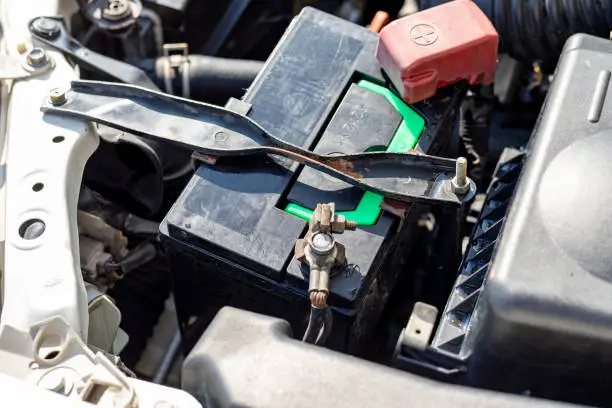
Although less common than alternator failure, an aging battery can also contribute to charging problems.
Most automotive batteries last between three and five years, depending on climate, driving habits, and maintenance.
Over time, the battery’s ability to hold a charge decreases.
Common warning signs include:
- Slow engine cranking
- Frequent jump starts
- Swollen battery case
- Corroded terminals
- Low resting voltage
- Battery fails a load test
If the battery has reached the end of its service life, replacing it before it fails can prevent unexpected breakdowns.
3. Loose or Corroded Battery Terminals
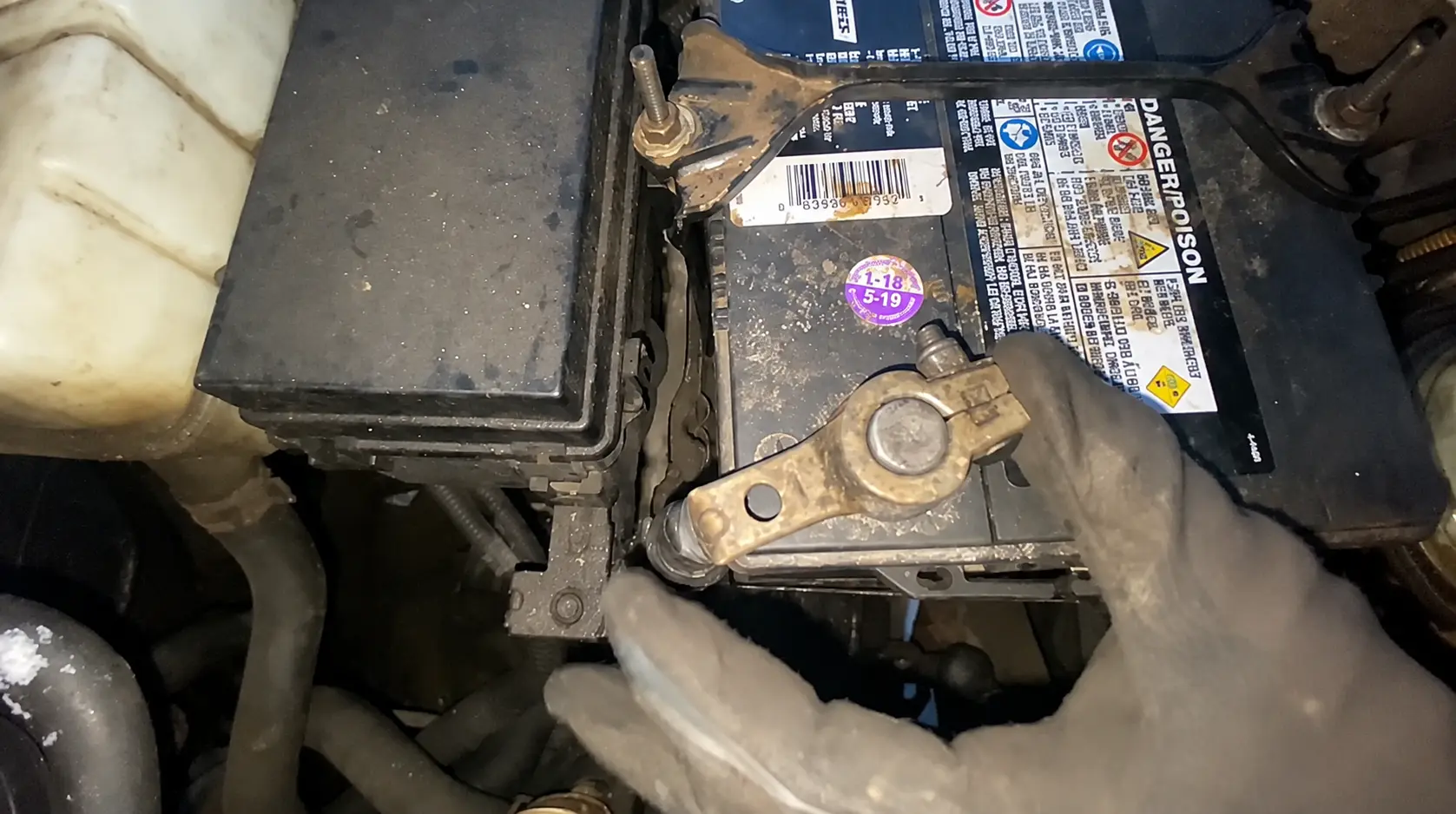
Battery terminals provide the electrical connection between the battery and the rest of the vehicle.
Corrosion, loose connections, or damaged battery cables increase electrical resistance and may interrupt charging system performance.
White or bluish corrosion around the battery posts is a common sign that the terminals need cleaning or inspection.
Fortunately, this is often one of the simplest and least expensive charging system problems to fix.
4. Broken or Worn Serpentine Belt
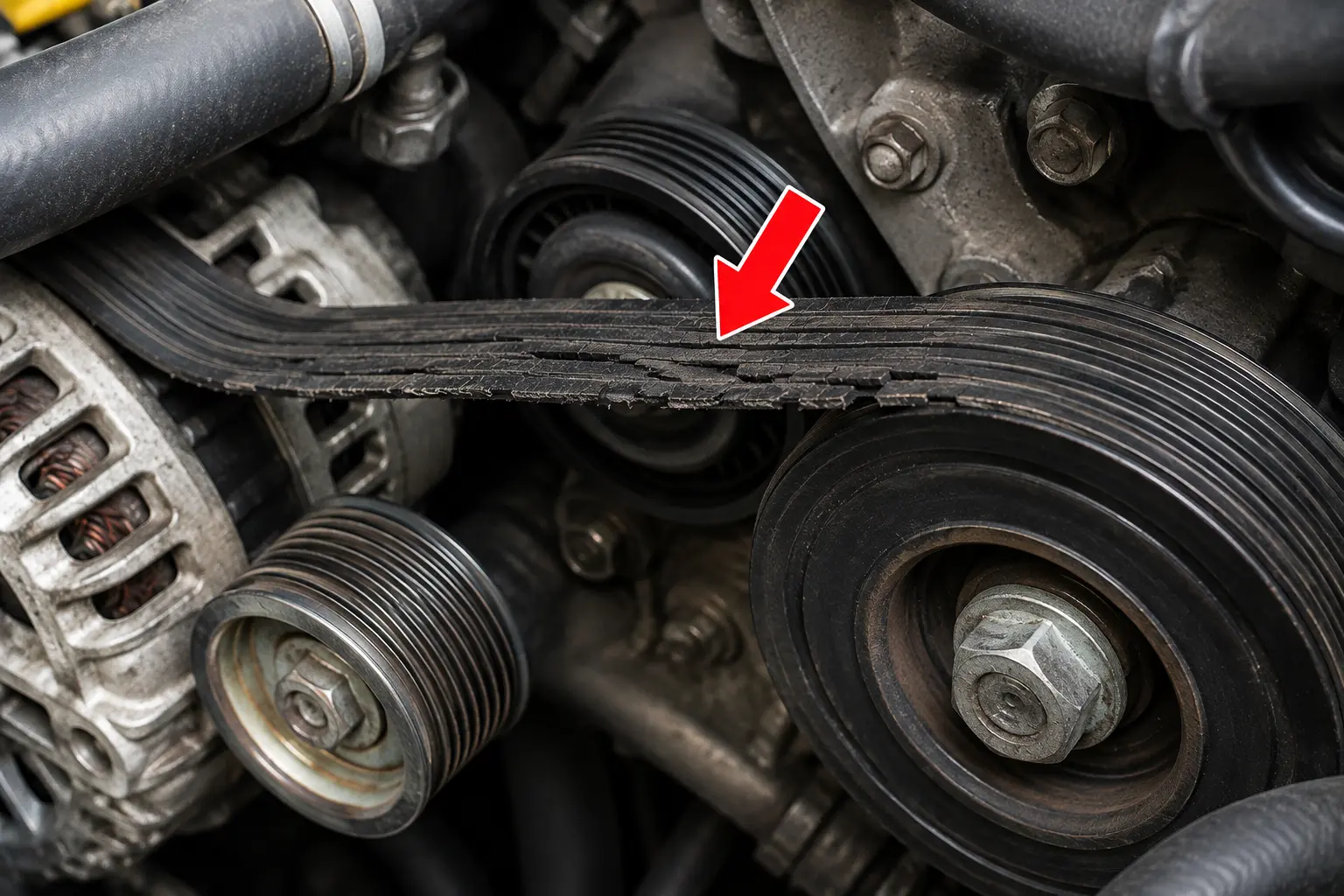
The serpentine belt plays a critical role in your vehicle’s charging system. It transfers power from the engine’s crankshaft pulley to components such as the alternator, water pump, air conditioning compressor, and, on some vehicles, the power steering pump.
If the belt becomes loose, cracked, glazed, or breaks completely, the alternator can no longer generate enough electricity to recharge the battery. As a result, the battery warning light may illuminate even though the battery itself is still in good condition.
Common symptoms include:
- Battery warning light comes on suddenly
- Loud squealing or chirping noise from the engine bay
- Power steering becomes difficult (on belt-driven systems)
- Engine temperature begins to rise if the water pump stops operating
- Battery gradually loses charge while driving
During routine maintenance, inspect the belt for:
- Cracks
- Frayed edges
- Missing ribs
- Glazing or shiny spots
- Excessive looseness
Replacing a worn serpentine belt before it fails is inexpensive compared to the cost of a roadside breakdown.
5. Faulty Voltage Regulator
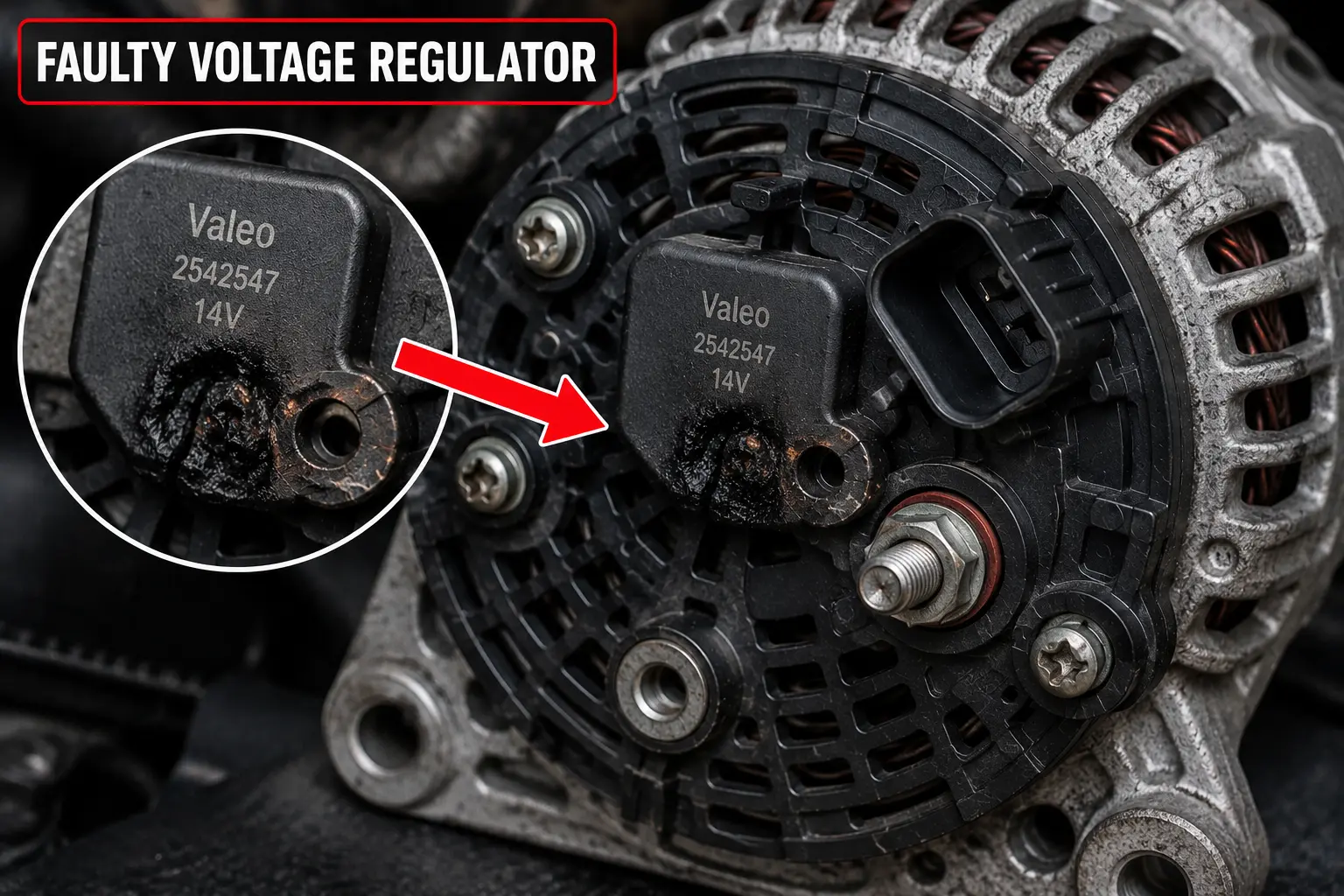
The voltage regulator controls how much electricity the alternator sends to the battery and the rest of the electrical system.
If the regulator fails, it can create two different problems:
Undercharging
The alternator produces too little voltage, preventing the battery from recharging properly.
Overcharging
The alternator produces excessive voltage, which can damage the battery, electronic control modules, lighting systems, and other sensitive electrical components.
A faulty voltage regulator may cause:
- Battery warning light
- Flickering headlights
- Bright lights that suddenly dim
- Battery overheating
- Battery swelling
- Repeated battery failures
Many modern vehicles have the regulator integrated into the alternator assembly, while others use ECU-controlled charging strategies.
6. Damaged Wiring or Poor Ground Connection
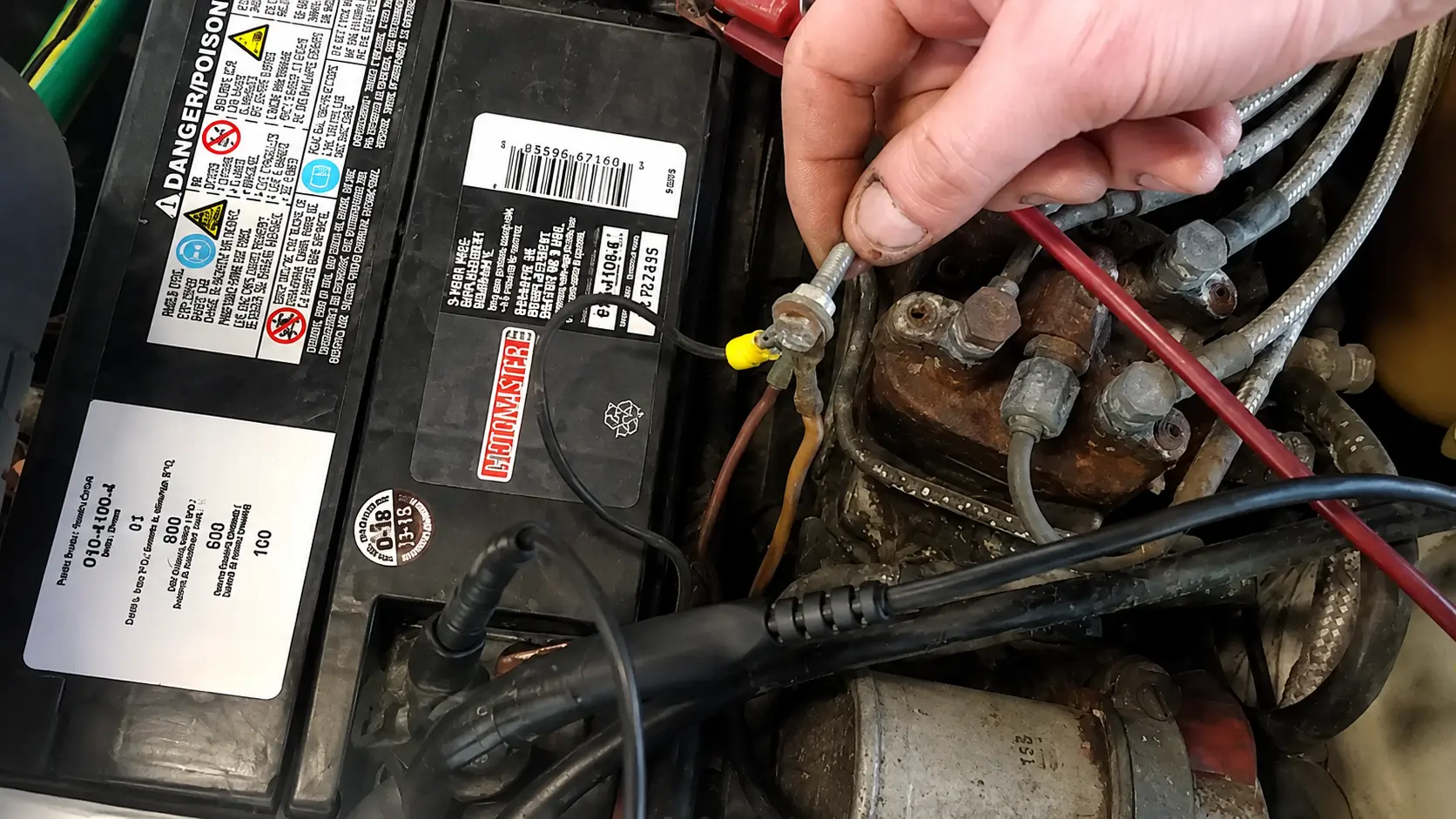
The charging system relies on a network of battery cables, wiring harnesses, electrical connectors, and ground straps.
A loose connector, damaged wire, or corroded ground can interrupt the flow of electricity between the alternator, battery, and the vehicle’s electrical system.
Possible causes include:
- Corrosion
- Rodent damage
- Accident damage
- Heat exposure
- Loose electrical connectors
Signs of wiring problems include:
- Intermittent battery light
- Flickering dashboard lights
- Random electrical failures
- Charging system voltage that changes unexpectedly
A professional technician may perform a voltage drop test using a digital multimeter to locate excessive resistance within the circuit.
7. Blown Fuse or Fusible Link
Many vehicles protect the charging system with high-amperage fuses or fusible links.
If one of these protective components fails, the alternator may still spin normally but will be unable to send charging current back to the battery.
Although less common than alternator or battery failure, a blown charging-system fuse should never be overlooked during diagnosis.
Symptoms That Often Appear Alongside the Battery Warning Light
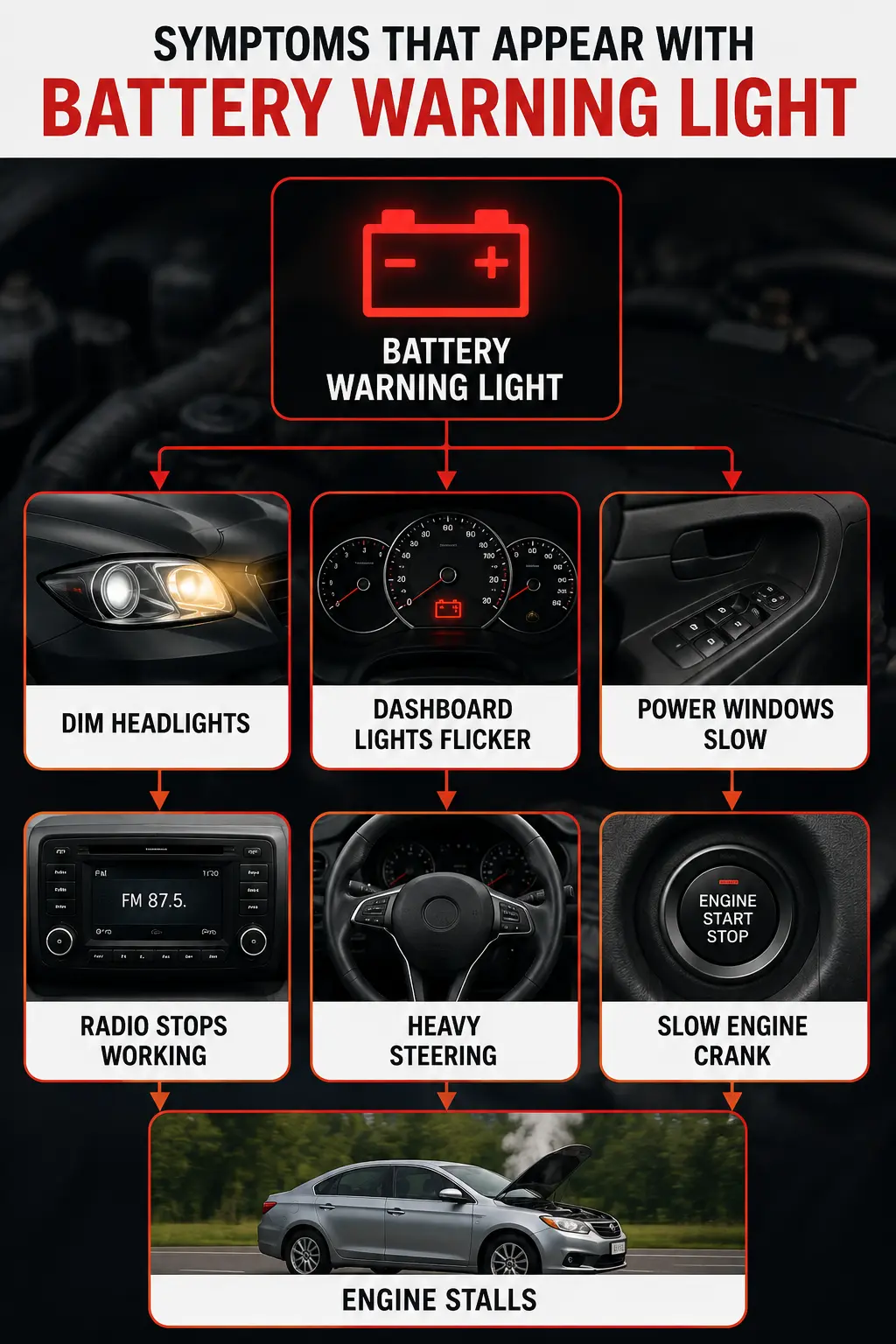
The battery warning light rarely appears by itself. In many cases, your vehicle will show additional warning signs before the battery becomes completely discharged.
Recognizing these symptoms early can help prevent a breakdown.
Dim or Flickering Headlights
One of the first signs of a charging system problem is reduced headlight brightness.
As battery voltage drops, the lights may become noticeably dimmer, especially while idling or when several electrical accessories are switched on.
Dashboard Lights Become Dim
The instrument cluster may flicker or lose brightness because it is no longer receiving stable charging voltage.
Some warning lights may appear briefly before disappearing again if system voltage fluctuates.
Slow Power Windows
Power windows require a significant amount of electrical current.
If they begin moving slower than normal, the charging system may not be supplying enough power.
Weak Climate Control Blower
The blower motor for the heating and air conditioning system may run more slowly as battery voltage decreases.
Drivers often notice reduced airflow before realizing the battery warning light is related.
Infotainment System Problems
Modern vehicles rely heavily on electronics.
Low charging voltage can cause:
- Radio turning off
- Touchscreen freezing
- Bluetooth disconnecting
- Navigation restarting
- USB charging interruption
Heavy Electric Power Steering
Many newer vehicles use Electric Power Steering (EPS).
Because EPS depends on adequate electrical power, a charging system failure may cause steering assistance to decrease, making the steering wheel feel noticeably heavier.
Slow Engine Cranking
If the battery has not been receiving sufficient charge, the engine may crank much more slowly the next time you attempt to start the vehicle.
Eventually, the starter motor may not receive enough power to crank the engine at all.
Engine Stalls While Driving
This is one of the most serious symptoms.
When the alternator stops charging and the battery becomes fully discharged, the ignition system, fuel injectors, fuel pump, ECU, and sensors eventually lose power.
Without sufficient voltage, the engine can stall unexpectedly.
Burning Smell or Squealing Noise
A failing alternator bearing, slipping serpentine belt, or overheating electrical connection may produce:
- Burning rubber smell
- Burning electrical odor
- High-pitched squealing
- Whining noise from the alternator
These symptoms should never be ignored.
What Should You Do If the Battery Warning Lamp Comes On?
Knowing how to respond can reduce the risk of being stranded and may even prevent additional damage to the charging system.
1. Stay Calm
A battery warning light does not always mean the vehicle will stop immediately.
Avoid sudden braking or unsafe maneuvers.
Instead, focus on finding a safe place to assess the situation.
2. Turn Off Unnecessary Electrical Accessories
Reducing electrical demand helps preserve the remaining battery charge.
Switch off anything that is not essential, including:
- Air conditioning
- Heated seats
- Rear window defroster
- Phone chargers
- Interior lighting
- Infotainment system
Leave the headlights on if driving conditions require them.
Safety should always come first.
3. Watch for Other Warning Signs
Pay close attention to:
- Engine temperature
- Additional dashboard warning lights
- Steering effort
- Headlight brightness
- Unusual noises
If multiple systems begin failing at the same time, the battery may be nearly depleted.
4. Avoid Turning Off the Engine
If the alternator has failed, restarting the engine may not be possible once it is switched off.
Unless the vehicle is already in a safe location for repairs, keep the engine running while driving carefully toward the nearest repair shop.
5. Inspect the Battery and Belt (If Safe)
After parking safely and switching off the engine, perform a quick visual inspection.
Check for:
- Loose battery terminals
- Heavy corrosion
- Damaged battery cables
- Broken serpentine belt
- Obvious wiring damage
Do not touch moving engine components or attempt repairs on a busy roadside.
6. Have the Charging System Tested
The most reliable way to identify the fault is with a complete charging system inspection.
A technician may perform:
- Battery load test
- Alternator output test
- Charging voltage measurement
- Voltage drop test
- OBD-II scan for Diagnostic Trouble Codes (DTCs)
- Visual inspection of wiring, ground connections, and fuses
Testing every component prevents unnecessary parts replacement and ensures the real problem is fixed.
Can an OBD-II Scanner Diagnose a Battery Warning Light?
An OBD-II scanner is a useful diagnostic tool, but it does not always identify the exact cause of a battery warning light.
Some charging system problems trigger Diagnostic Trouble Codes (DTCs) stored in the ECU or PCM, while others do not.
For example, a loose battery terminal or slipping serpentine belt may not generate a fault code even though the charging system is malfunctioning.
For that reason, technicians typically combine scan tool data with:
- Battery voltage testing
- Alternator output testing
- Visual inspection
- Electrical circuit testing
Using both electronic diagnostics and physical inspection provides a much more accurate diagnosis than relying on scan codes alone.
How to Diagnose a Charging System Problem
The battery warning light tells you that something in the charging system needs attention, but it doesn’t identify the faulty component. A proper diagnosis helps avoid replacing parts that are still working correctly.
Whether you’re performing basic checks at home or taking your vehicle to a repair shop, these are the steps professionals typically follow.
Step 1: Perform a Visual Inspection
Start with a careful inspection under the hood.
Look for:
- Loose or corroded battery terminals
- Damaged battery cables
- Frayed or disconnected wiring harnesses
- A cracked, loose, or broken serpentine belt
- Signs of coolant or oil leaking onto the alternator
- Burnt electrical connectors
- Loose ground straps
Many charging system issues are caused by simple connection problems rather than expensive component failures.
Step 2: Check Battery Voltage
A digital multimeter is one of the most useful tools for diagnosing charging system problems.
With the engine turned off, a fully charged 12-volt battery should generally read around 12.6 volts.
Typical readings include:
| Battery Voltage | Battery Condition |
| 12.6V | Fully charged |
| 12.4V | Approximately 75% charged |
| 12.2V | Approximately 50% charged |
| 12.0V or lower | Battery requires charging or further testing |
A low resting voltage doesn’t always mean the battery has failed. It may simply indicate that the alternator hasn’t been charging it properly.
Step 3: Measure Charging Voltage
Next, start the engine and measure battery voltage again.
Most vehicles should produce approximately 13.8 to 14.7 volts while the engine is running.
If the reading remains close to the battery’s resting voltage, the alternator may not be charging correctly.
If the voltage rises well above the normal charging range, the voltage regulator could be overcharging the battery.
Both situations require prompt attention because they can shorten battery life and affect other electrical components.
Step 4: Test the Alternator
If battery voltage is outside the normal charging range, the alternator should be tested.
Technicians may evaluate:
- Alternator output
- Charging current
- Bearing condition
- Pulley operation
- Internal diode performance
- Rectifier operation
A failing alternator may still produce some electricity, but not enough to support the vehicle under higher electrical loads.
Step 5: Inspect the Serpentine Belt
Even a healthy alternator cannot charge the battery if the serpentine belt slips.
Check for:
- Cracks
- Frayed edges
- Missing ribs
- Glazed surface
- Incorrect belt tension
Replacing a worn belt is often far less expensive than replacing an alternator.
Step 6: Scan for Diagnostic Trouble Codes
Modern vehicles constantly monitor the electrical system through the ECU or PCM.
A professional OBD-II scanner can identify Diagnostic Trouble Codes (DTCs) that may point toward charging system faults.
However, it’s important to remember that not every charging problem generates a fault code.
For this reason, experienced technicians combine electronic diagnostics with voltage testing and physical inspection.
Battery Warning Light Repair Costs
Repair costs vary depending on the failed component, vehicle make, and labor rates in your area.
The table below provides general estimates for the United States.
| Repair | Estimated Cost (Parts + Labor) |
| Battery replacement | $100–$350 |
| Alternator replacement | $400–$900 |
| Serpentine belt replacement | $100–$250 |
| Battery terminal cleaning | $20–$80 |
| Battery cable replacement | $100–$300 |
| Voltage regulator replacement* | $150–$500 |
| Charging system diagnostic | $75–$180 |
*On many modern vehicles, the voltage regulator is integrated into the alternator, which means the entire alternator assembly may need to be replaced.
Keep in mind that delaying repairs can increase costs. For example, continuing to drive with a failing alternator can completely discharge the battery, leaving you with two components to replace instead of one.
How to Prevent Battery and Alternator Problems
While some charging system failures occur without warning, regular maintenance can significantly reduce the risk.
Test the Battery Annually
Most batteries gradually lose capacity as they age.
Having the battery tested once a year—especially after three years of service—can identify weakening performance before it leads to a breakdown.
Inspect the Serpentine Belt
During routine maintenance, inspect the belt for wear, cracking, glazing, or fraying.
Replacing it before failure helps ensure the alternator continues charging the battery properly.
Keep Battery Terminals Clean
Corrosion increases electrical resistance and can interfere with charging.
Inspect the battery terminals periodically and clean away corrosion using the appropriate battery terminal cleaning products and procedures.
Secure Battery Connections
Loose battery cables can interrupt charging even if the battery and alternator are in good condition.
Ensure all cable connections remain clean and properly tightened.
Avoid Excessive Electrical Loads
High-power accessories place additional demand on the charging system.
While modern alternators are designed to support multiple electrical components, minimizing unnecessary electrical load can reduce stress on the system—particularly if the battery or alternator is already aging.
Replace an Aging Battery Before It Fails
Most automotive batteries have a limited service life.
If your battery frequently requires jump starts or fails repeated load tests, replacing it proactively is often more convenient than waiting for a complete failure.
Final Thoughts
The battery warning light should never be ignored because it often signals a problem that can leave you stranded if left unresolved. While a weak battery is sometimes responsible, the warning more commonly points to a fault within the charging system, such as a failing alternator, worn serpentine belt, damaged wiring, loose battery terminals, or a faulty voltage regulator.
Understanding how the charging system works, recognizing the early warning signs, and responding quickly can prevent more expensive repairs and unexpected breakdowns. If the battery indicator stays illuminated while driving, reduce unnecessary electrical load, avoid shutting off the engine until you’re in a safe location, and arrange for a proper charging system inspection as soon as possible.
Routine maintenance, including annual battery testing, periodic charging system checks, and inspection of belts and electrical connections, remains the best way to improve reliability and reduce the risk of seeing the battery warning light in the future.
By addressing the underlying cause promptly instead of simply replacing the battery, you’ll protect your vehicle’s electrical system, improve long-term reliability, and avoid unnecessary repair costs.
Frequently Asked Questions
Can I drive with the battery warning light on?
You may be able to drive for a short distance, but it isn’t recommended.
The warning light usually indicates that the battery is no longer receiving a proper charge. Once the remaining battery power is depleted, the engine may stall, and the vehicle may not restart.
Does the battery warning light always mean the battery is bad?
No.
In many cases, the battery is functioning normally.
The warning light more commonly indicates a charging system problem involving the alternator, voltage regulator, serpentine belt, wiring, or electrical connections.
Can a bad alternator cause the battery warning light?
Yes.
A failing alternator is one of the most common causes of the battery warning light because it cannot generate enough electrical power to recharge the battery while the engine is running.
Why did the battery light come on after replacing the battery?
Replacing the battery does not automatically fix charging system faults.
Possible causes include:
- Faulty alternator
- Loose battery terminals
- Damaged battery cables
- Poor ground connection
- Charging system fuse failure
- Battery registration required on certain vehicles equipped with a Battery Management System (BMS)
Can cold weather trigger the battery warning light?
Cold weather can reduce battery performance, especially if the battery is already weak.
While low temperatures alone do not usually trigger the warning light, they can expose existing charging system problems that were less noticeable in warmer conditions.
Can a bad serpentine belt cause the battery light to come on?
Yes.
If the serpentine belt slips or breaks, the alternator cannot rotate properly, preventing it from charging the battery.
What is the difference between a battery problem and a charging system problem?
The battery stores electrical energy used to start the engine.
The charging system—which includes the alternator, voltage regulator, wiring, and related components—recharges the battery and powers the vehicle while the engine is running.
A battery warning light most often indicates a charging system issue rather than a defective battery alone.