
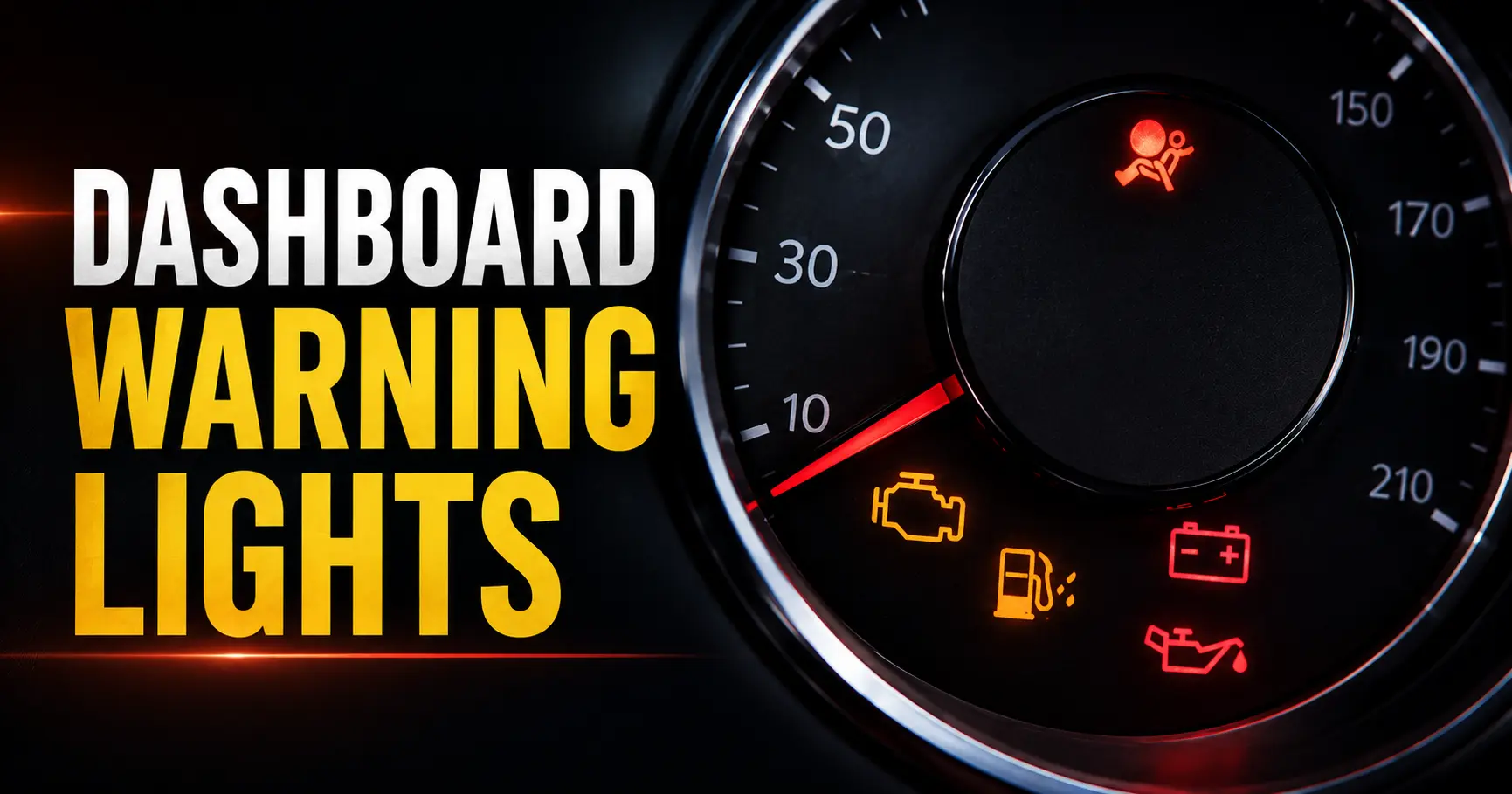
Seeing one of your dashboard warning lights suddenly turn on can be stressful, especially if you are not sure what it means.
Some lights simply remind you to refill the washer fluid or buckle your seatbelt, while others warn of serious problems with the engine, brake system, charging system, or engine oil pressure.
Ignoring the wrong warning light could lead to expensive repairs, reduced vehicle performance, or even put your safety at risk.
The good news is that your car’s instrument cluster is designed to signal problems before they worsen.
In this guide, you’ll learn what the most common dashboard warning lights mean, which ones require immediate attention, and which ones allow you to drive carefully until you can schedule a repair.
We’ll also explain the different warning light colors, and the steps you should take before visiting an ASE-certified technician or performing an OBD-II diagnostic scan.
Whether you drive a gasoline, diesel, hybrid, or electric vehicle, this guide will help you understand what your car is trying to tell you.
What Are Dashboard Warning Lights?
Dashboard warning lights are symbols that appear on your vehicle’s instrument cluster whenever the car detects a problem or wants to provide important information.
Modern vehicles constantly monitor dozens of systems through electronic sensors and control modules, including the Engine Control Unit (ECU) and Powertrain Control Module (PCM).
When one of these systems detects an abnormal reading, the appropriate warning light appears on the dashboard. Some warnings are informational, while others indicate that immediate action is needed to prevent damage or maintain safe driving conditions.
Most dashboard warning lights fall into one of these categories:
- Engine and emissions
- Braking and safety systems
- Tires and suspension
- Steering and transmission
- Driver assistance systems
- Lighting and visibility
- Hybrid and electric vehicle systems
- Maintenance reminders
Although the symbols may vary slightly between manufacturers, their purpose remains the same to help you identify potential problems before they become more serious.
Dashboard Warning Light Colors Explained
One of the quickest ways to understand the urgency of a warning light is by its color. Vehicle manufacturers generally follow similar color standards, making it easier for drivers to know how quickly they should respond.
Red Dashboard Warning Lights
Red warning lights indicate a serious problem that usually requires immediate attention. Continuing to drive after a red warning appears may result in severe mechanical damage or create a dangerous driving situation.
Common red warning lights include:
- Oil Pressure Warning
- Brake System Warning
- Engine Coolant Temperature
- Battery Charging System
- Seat Belt Reminder
- Airbag (SRS) Warning on some vehicles
If a red warning light appears, safely pull over whenever possible. Turn off the engine if recommended in your owner’s manual, and inspect the vehicle before continuing your journey.
Yellow or Orange Dashboard Warning Lights
Yellow or orange lights usually indicate that a system requires inspection or maintenance soon. While these warnings are often less urgent than red lights, they should never be ignored.
Examples include:
- Check Engine Light
- ABS Warning
- Tire Pressure Monitoring System (TPMS)
- Traction Control
- Electronic Stability Control (ESC)
- Power Steering Warning
Many yellow warnings allow you to continue driving carefully, but you should arrange a diagnostic inspection as soon as practical.
Green, Blue, and White Indicator Lights
These lights normally provide information rather than warnings.
Examples include:
- High Beam Indicator
- Cruise Control
- Fog Lights
- Turn Signals
- Eco Driving Mode
- Automatic High Beams
These indicators simply confirm that a particular feature or system is currently active.
Dashboard Warning Lights Quick Reference
If you’re looking for a quick answer, the table below summarizes the most common dashboard warning lights, their severity, whether it’s generally safe to continue driving, and the recommended next step. We’ll explain each warning light in detail later in this guide.
| Warning Light | Severity | Can You Drive? | What You Should Do |
| Check Engine Light (Solid) | Medium | Yes, usually | Schedule an OBD-II diagnostic scan as soon as possible. |
| Check Engine Light (Flashing) | Critical | No | Pull over safely and stop driving immediately to avoid engine damage. |
| Oil Pressure Warning Light | Critical | No | Turn off the engine immediately and check the oil level. |
| Engine Coolant Temperature | Critical | No | Stop driving, allow the engine to cool, and inspect the cooling system. |
| Battery Warning Light | High | Only a short distance | Inspect the charging system, alternator, and battery connections. |
| Brake System Warning Light | Critical | No | Stop safely and inspect the brake system before continuing. |
| ABS Warning Light | Medium | Yes | Drive carefully and have the ABS system inspected soon. |
| TPMS Warning Light | Medium | Usually | Check and inflate all tires to the recommended pressure. |
| Traction Control Light | Medium | Yes | Reduce speed on slippery roads and inspect the system if the light stays on. |
| ESC Warning Light | Medium | Yes | Drive cautiously because stability assistance may be unavailable. |
| Power Steering Warning Light | High | With caution | Steering may become heavy. Have the system inspected promptly. |
| Airbag (SRS) Warning Light | High | Yes | Schedule repairs because the airbags may not deploy correctly. |
What Should You Do When a Dashboard Warning Light Comes On?
Many drivers panic when a warning light suddenly appears, but the correct response depends on the type of warning.
Follow these steps whenever a dashboard light comes on.
1. Stay Calm
A warning light does not always mean your vehicle is about to break down. Some alerts simply indicate scheduled maintenance or a temporary issue detected by the vehicle’s computer.
Avoid making sudden decisions while driving.
2. Identify the Warning Light
Look at the symbol carefully and compare it with the information in your vehicle owner’s manual if you are unsure what it means.
Many newer vehicles also display a message on the digital instrument cluster explaining the warning.
3. Check the Color
The color often tells you how serious the situation is.
- Red: Stop driving as soon as it is safe.
- Yellow/Orange: Drive cautiously and arrange repairs soon.
- Green/Blue: Information only.
4. Listen for Other Symptoms
Ask yourself these questions:
- Is the engine making unusual noises?
- Is the steering harder than normal?
- Are the brakes responding correctly?
- Is smoke coming from the engine bay?
- Is the engine overheating?
- Has the vehicle lost power?
If the answer is yes, stop driving immediately and seek professional assistance.
5. Perform Basic Checks
Depending on the warning light, you may safely inspect basic items such as:
- Engine oil level
- Coolant level
- Tire pressure
- Battery terminals
- Fuel cap
For example, a loose fuel cap can sometimes trigger the Check Engine Light, while low tire pressure may activate the Tire Pressure Monitoring System (TPMS).
6. Use an OBD-II Scanner
If the Check Engine Light remains illuminated, an OBD-II scanner can read the stored diagnostic trouble codes (DTCs). These codes help identify the affected system and provide valuable information before visiting a repair shop.
An OBD-II scan does not replace a professional diagnosis, but it often speeds up the troubleshooting process.
7. Schedule Repairs Promptly
Even if your vehicle appears to drive normally, warning lights should never be ignored for long.
Small issues involving the charging system, oxygen sensor, wheel speed sensor, brake fluid, or cooling system can eventually develop into more expensive repairs if left unresolved.
1. Check Engine Light
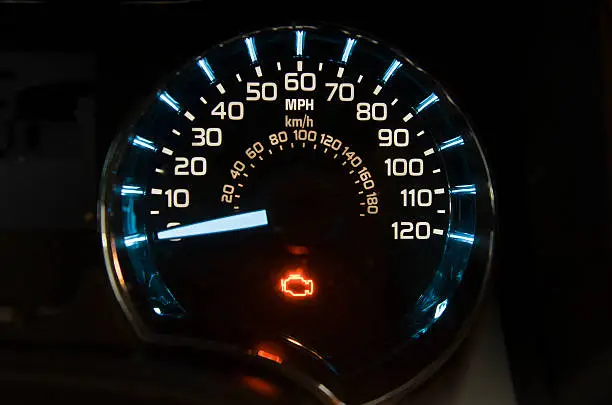
The Check Engine Light is one of the most common dashboard warning lights. It usually indicates that your vehicle’s engine, emissions system, or fuel system has detected a problem. Sometimes the issue is minor, such as a loose fuel cap, while other times it may involve a faulty oxygen sensor, worn spark plugs, a failing catalytic converter, or an engine misfire.
Common Causes
- Loose or damaged fuel cap
- Faulty oxygen sensor
- Worn spark plugs or ignition coils
- Catalytic converter problems
- Vacuum leak
- Faulty mass airflow (MAF) sensor
- Engine misfire
- Emissions system fault
Can You Drive?
If the Check Engine Light is solid and your vehicle is driving normally, you can usually continue driving for a short time while arranging a diagnostic inspection. However, if the light begins flashing, pull over safely and stop driving as soon as possible. A flashing light often indicates a severe engine misfire that can quickly damage the catalytic converter and other engine components.
What Should You Do?
- Make sure the fuel cap is fully tightened.
- Watch for unusual noises, vibration, or loss of power.
- Scan the vehicle using an OBD-II scanner if available.
- Schedule a professional inspection as soon as possible.
- If the light flashes, stop driving and arrange for the vehicle to be towed if necessary.
If you’d like a detailed explanation of common causes, repair costs, and troubleshooting steps, see our complete Check Engine Light Meaning guide.
2. Oil Pressure Warning Light
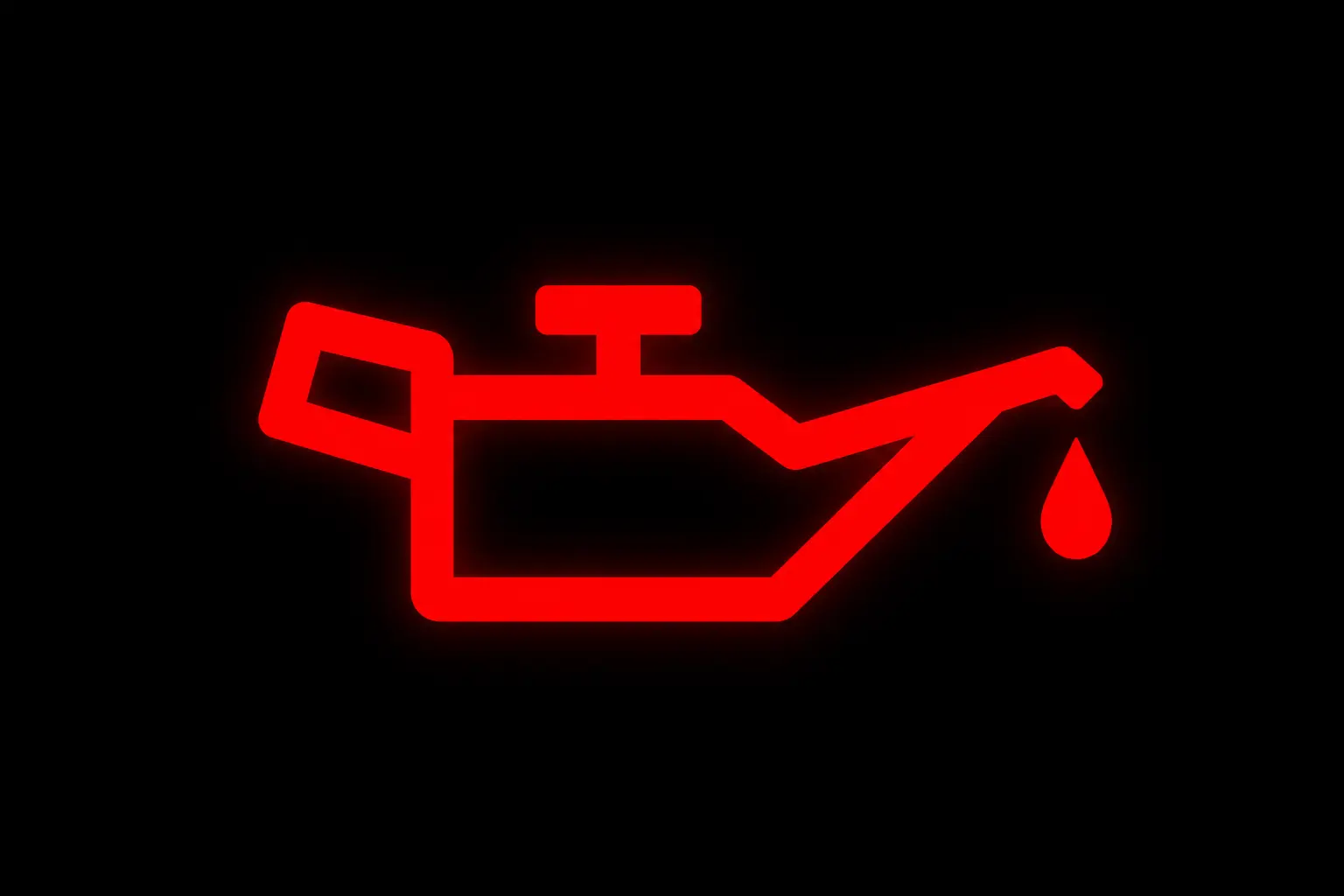
The Oil Pressure Warning Light is one of the most serious dashboard warning lights because it indicates that your engine may not be receiving enough oil pressure for proper lubrication. Without adequate oil pressure, metal engine components can quickly wear against each other, leading to severe engine damage within minutes. While low engine oil is a common cause, this warning can also point to problems with the oil pump, oil filter, or engine lubrication system.
Common Causes
- Low engine oil level
- Engine oil leak
- Faulty oil pressure sensor
- Worn or failing oil pump
- Clogged oil filter
- Incorrect engine oil viscosity
- Excessive engine wear
Can You Drive?
No. If the Oil Pressure Warning Light comes on while driving, safely pull over and switch off the engine as soon as possible. Continuing to drive without proper oil pressure can result in catastrophic engine failure and extremely expensive repairs.
What Should You Do?
- Pull over safely and turn off the engine.
- Wait a few minutes before checking the engine oil level.
- Add the recommended oil if the level is low.
- Restart the engine only if the oil level is correct and the warning light goes out.
- If the warning light remains illuminated, have the vehicle towed to a repair shop rather than driving it.
Learn more about symptoms, common causes, repair costs, and emergency steps in our complete Oil Pressure Warning Light Meaning guide.
3. Engine Coolant Temperature Warning Light
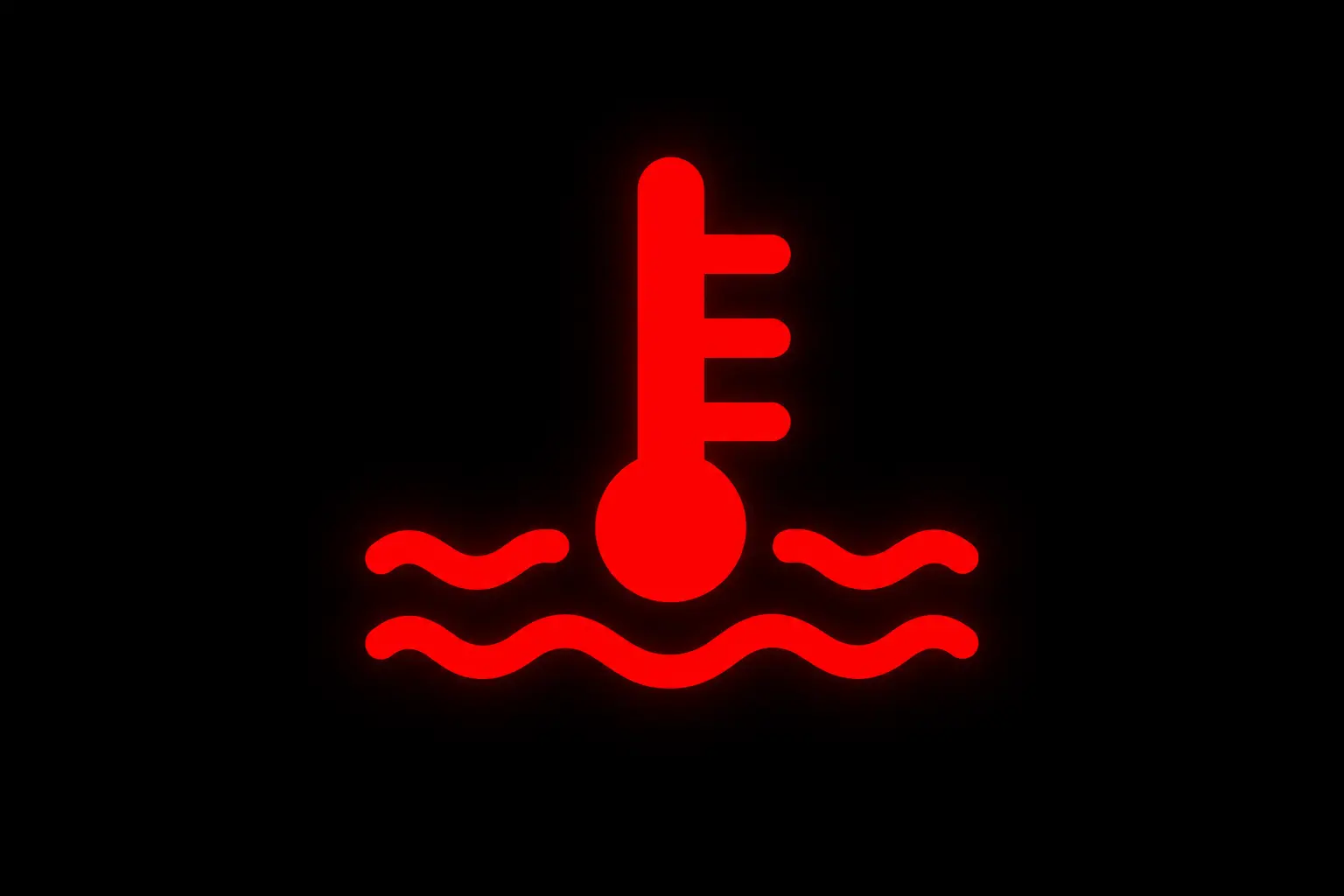
The Engine Coolant Temperature Warning Light indicates that your engine is running hotter than normal. The cooling system is responsible for keeping the engine within its ideal operating temperature. If the engine overheats, it can damage critical components such as the head gasket, cylinder head, and engine block. Ignoring this warning may lead to permanent engine damage.
Common Causes
- Low coolant level
- Coolant leak
- Broken water pump
- Faulty thermostat
- Damaged radiator
- Cooling fan failure
- Blocked radiator
Can You Drive?
No. If your engine is overheating, stop driving as soon as it is safe to do so. Continuing to drive with an overheated engine can result in severe mechanical damage that may require a complete engine rebuild or replacement.
What Should You Do?
- Pull over safely and turn off the engine.
- Allow the engine to cool completely.
- Never remove the radiator cap while the engine is hot.
- Check the coolant reservoir for a low coolant level.
- If the warning light returns after adding coolant, have the cooling system professionally inspected.
4. Battery Warning Light
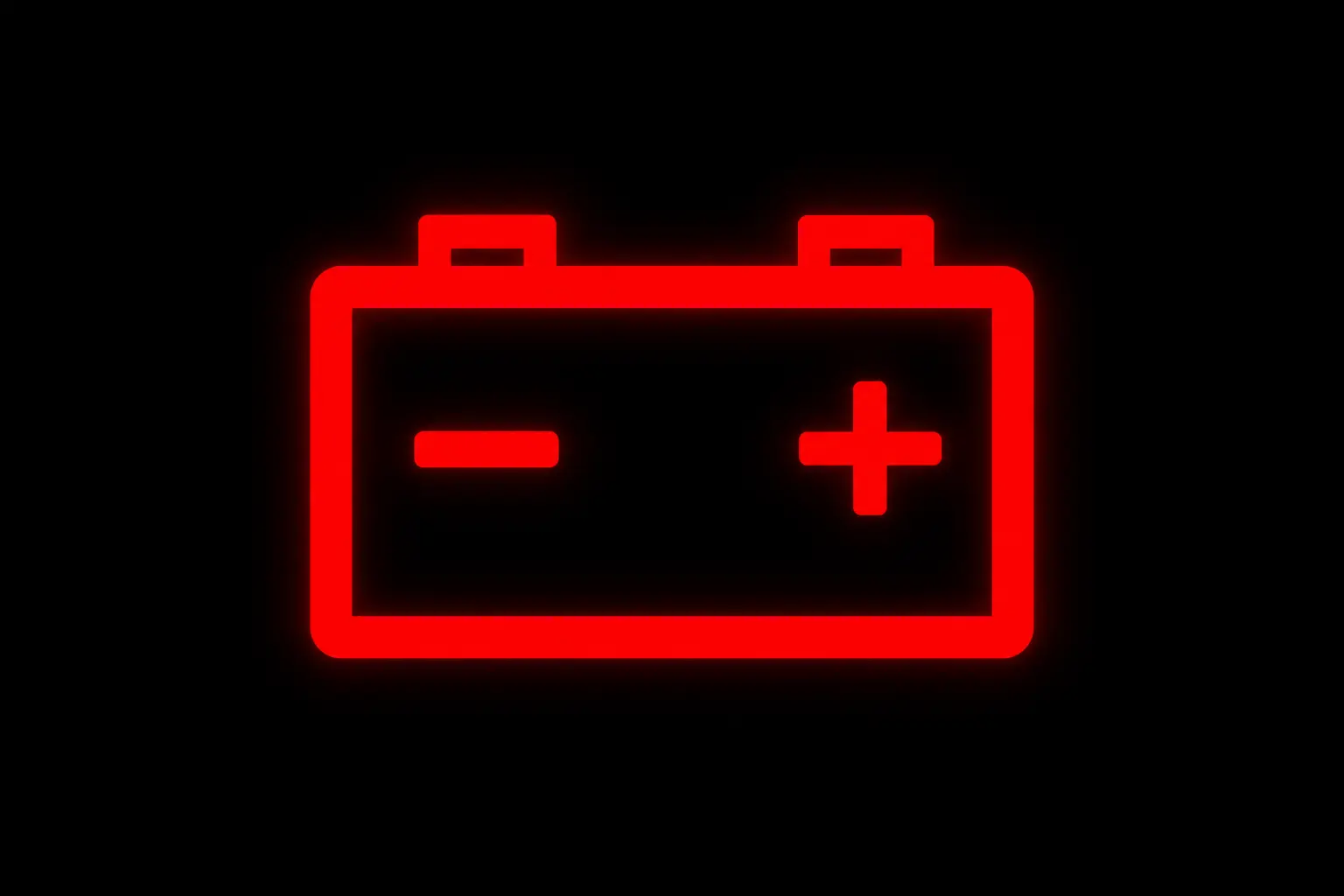
The Battery Warning Light doesn’t always mean the battery itself has failed. Instead, it usually indicates a problem with your vehicle’s charging system, which includes the battery, alternator, voltage regulator, wiring, and serpentine belt. Although the vehicle may continue running for a short time, the battery can eventually lose power and cause the engine to stall.
Common Causes
- Failing alternator
- Weak or damaged battery
- Loose or corroded battery terminals
- Worn or broken serpentine belt
- Faulty voltage regulator
- Damaged electrical wiring
- Charging system malfunction
Can You Drive?
Only for a short distance if the vehicle is operating normally. If electrical accessories begin failing, headlights become dim, or warning lights continue appearing, stop driving as soon as it is safe. Once the battery is no longer being charged, the engine may shut off unexpectedly.
What Should You Do?
- Turn off unnecessary electrical accessories such as the air conditioner or heated seats.
- Check whether the battery terminals appear loose or corroded.
- Watch for dim headlights or electrical problems.
- Drive directly to a repair shop if the vehicle is operating normally.
- If the vehicle begins losing power, stop safely and request roadside assistance.
5. Transmission Temperature Warning Light
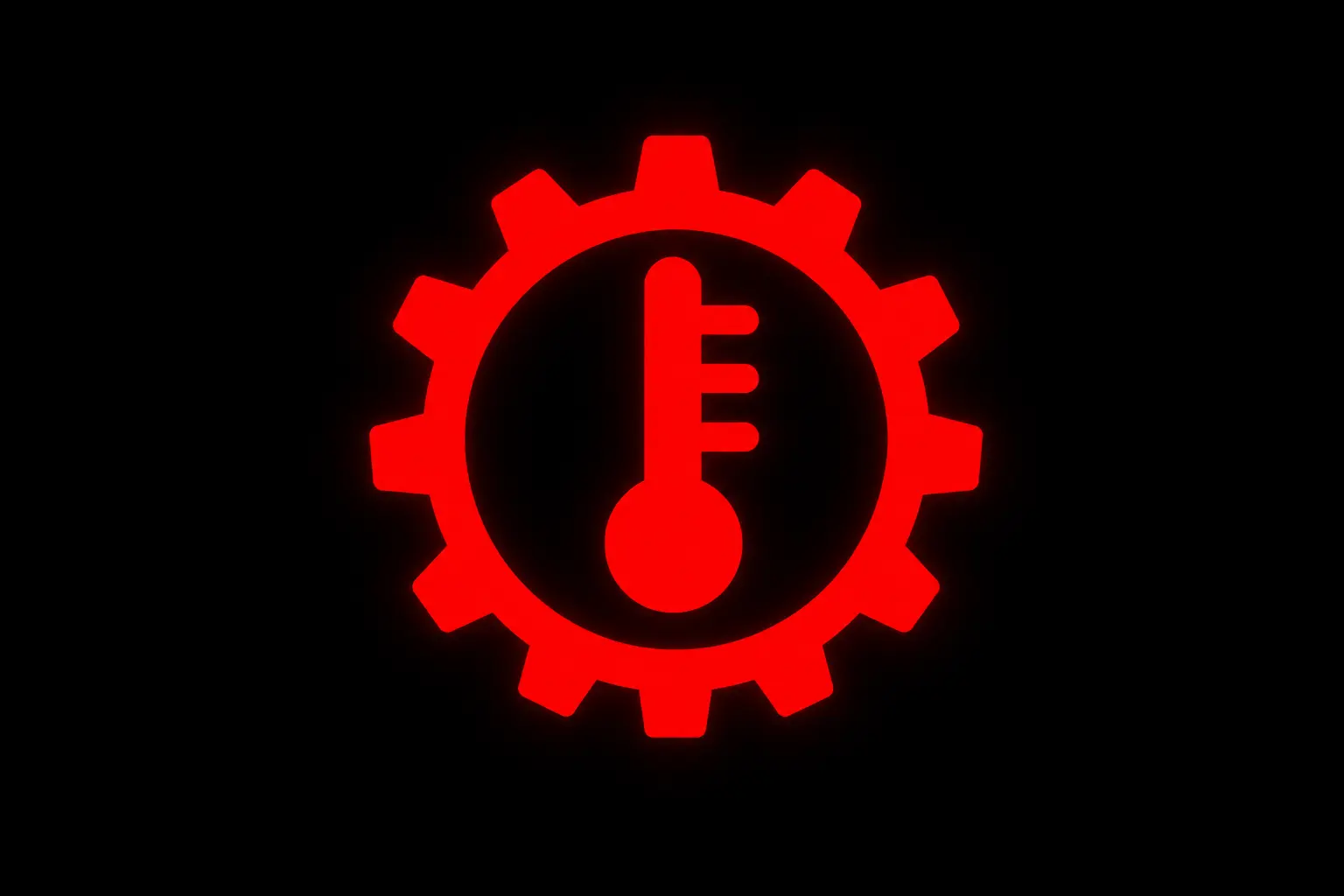
The Transmission Temperature Warning Light means your transmission fluid has become excessively hot. Transmission fluid lubricates, cools, and protects the internal gears and moving components inside the transmission. If the fluid overheats, it can lose its protective properties, leading to excessive wear or complete transmission failure.
Common Causes
- Low transmission fluid
- Heavy towing or hauling
- Stop-and-go traffic in hot weather
- Transmission fluid leak
- Dirty or old transmission fluid
- Transmission cooler failure
- Internal transmission wear
Can You Drive?
Not for long. If the warning light appears, reduce your speed and stop driving as soon as it is safe. Allowing the transmission to cool may temporarily resolve the issue, but repeated overheating should be diagnosed immediately to avoid expensive repairs.
What Should You Do?
- Pull over safely and allow the transmission to cool.
- Avoid heavy acceleration or towing.
- Check the transmission fluid level if your vehicle allows it.
- If the warning light returns, arrange for a professional inspection.
- Avoid driving until the overheating problem has been diagnosed and repaired.
6. Brake System Warning Light
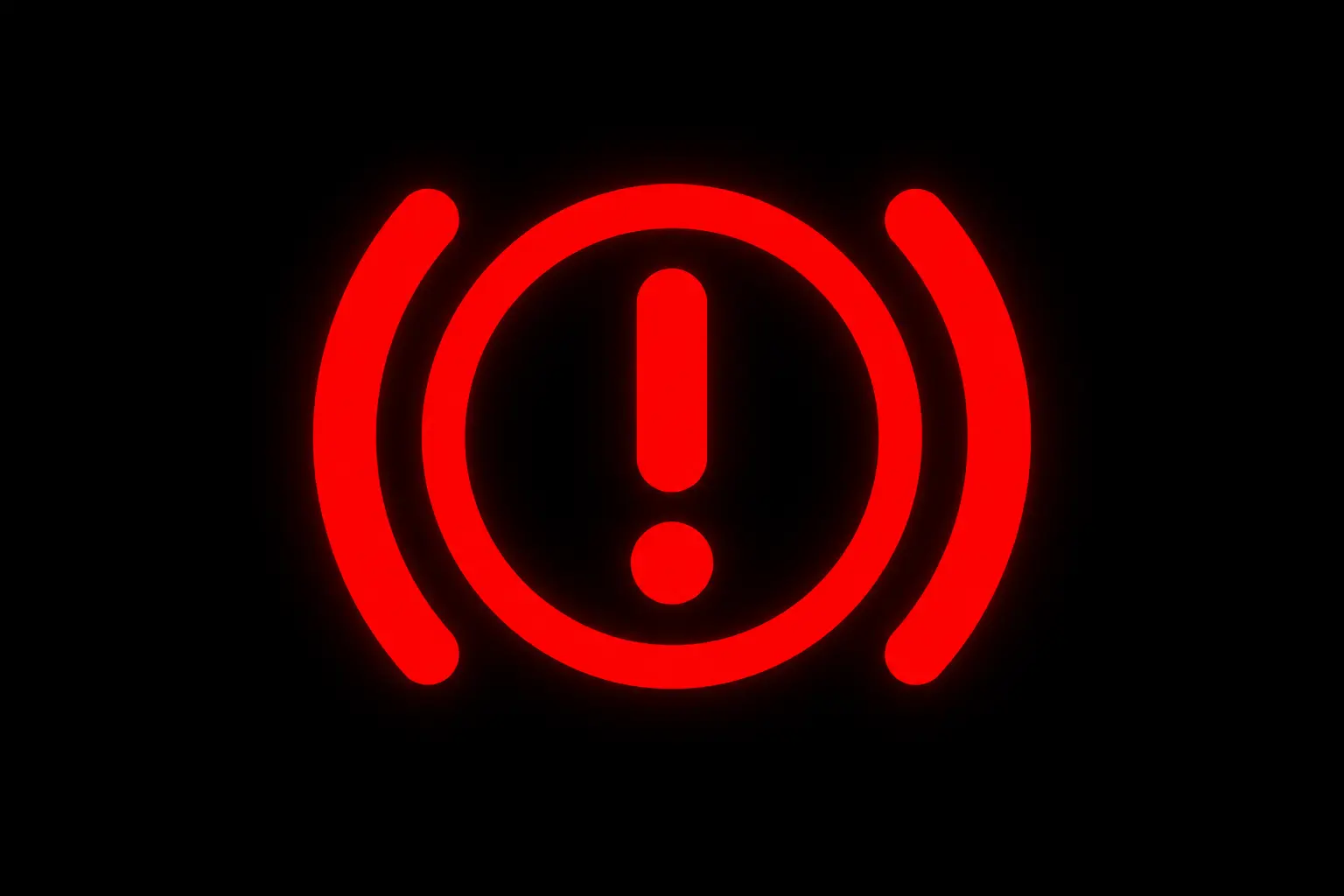
The Brake System Warning Light is one of the most important dashboard warning lights because it indicates a potential problem with your vehicle’s braking system. In some vehicles, this light simply means the parking brake is engaged, but it can also warn of low brake fluid, worn brake components, or a hydraulic brake system fault. Since your brakes are your vehicle’s primary safety system, this warning should never be ignored.
Common Causes
- Parking brake is still engaged
- Low brake fluid level
- Worn brake pads
- Brake fluid leak
- Faulty brake master cylinder
- Hydraulic brake system problem
- Brake pressure sensor malfunction
Can You Drive?
It depends. If the warning appears because the parking brake is engaged, simply release it. However, if the parking brake is fully released and the warning light stays on, drive only if the brakes feel normal and head directly to a repair facility. If braking performance is reduced, stop driving immediately and have the vehicle towed.
What Should You Do?
- Confirm the parking brake is fully released.
- Check the brake fluid level if it is safe to do so.
- Pay attention to a soft brake pedal or longer stopping distances.
- Avoid high speeds and sudden braking.
- Arrange a professional brake inspection immediately.
7. ABS Warning Light
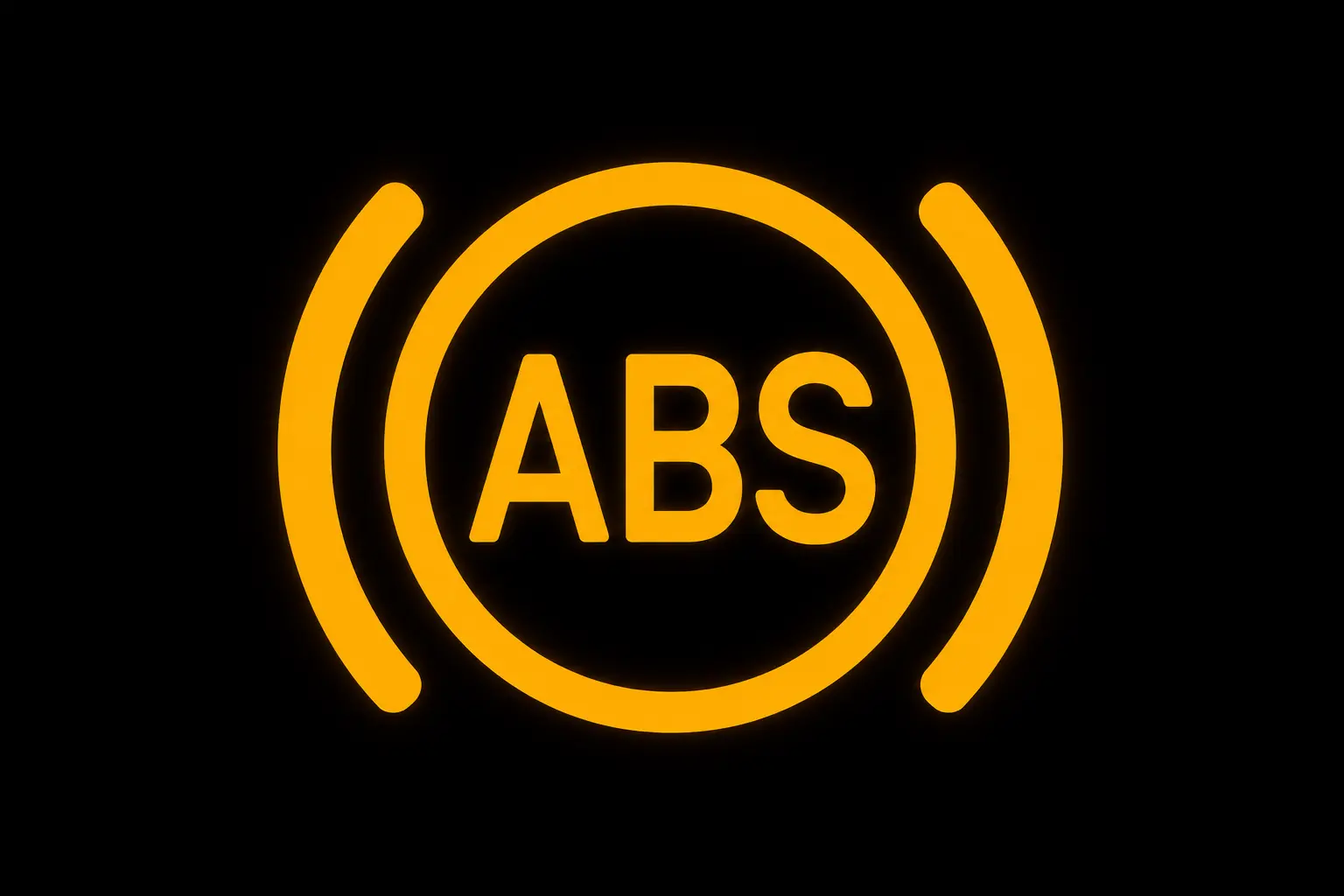
The ABS (Anti-lock Braking System) Warning Light indicates that the vehicle’s anti-lock braking system has detected a fault. ABS helps prevent the wheels from locking during hard braking, allowing you to maintain steering control on wet, icy, or slippery roads. In most cases, your regular brakes will continue working, but the anti-lock braking feature may be disabled.
Common Causes
- Faulty wheel speed sensor
- Damaged ABS wiring
- ABS control module failure
- Low brake fluid
- Damaged tone ring
- Blown ABS fuse
- Faulty hydraulic ABS pump
Can You Drive?
Yes, in most cases. Your normal braking system should continue working, but emergency braking performance may be reduced because the wheels can lock during sudden stops. Drive cautiously until the system is repaired.
What Should You Do?
- Avoid aggressive braking.
- Drive more carefully on wet or slippery roads.
- Check for other brake warning lights.
- Schedule an ABS system inspection.
- Repair the issue as soon as possible to restore full braking performance.
8. Airbag Warning Light
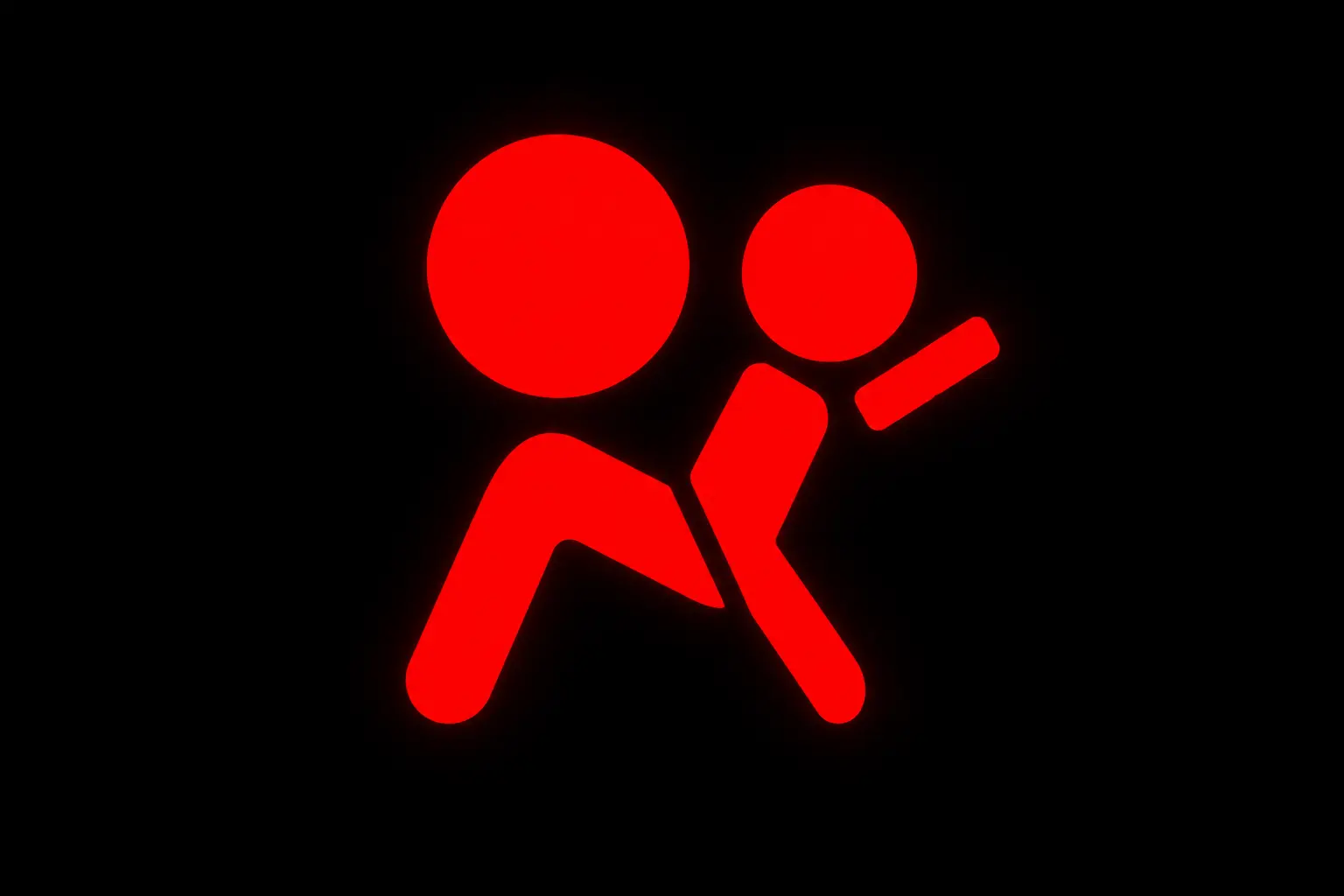
The Airbag Warning Light, also known as the Supplemental Restraint System (SRS) Warning Light, indicates a problem with one or more components of your vehicle’s airbag system. While the vehicle may continue driving normally, the airbags or seat belt pretensioners may not function correctly during an accident, reducing occupant protection.
Common Causes
- Faulty crash sensor
- Damaged airbag wiring
- Seat belt pretensioner fault
- Airbag control module failure
- Low battery voltage
- Loose electrical connection
- Faulty steering wheel clock spring
Can You Drive?
Yes, but repairs should not be delayed. The warning does not usually affect normal driving, but your airbags may fail to deploy during a collision or could deploy unexpectedly in rare cases.
What Should You Do?
- Avoid ignoring the warning light.
- Check whether the battery was recently disconnected.
- Schedule an inspection of the SRS system.
- Do not attempt to repair airbag components yourself.
- Have the system repaired by a qualified technician.
9. Traction Control Warning Light
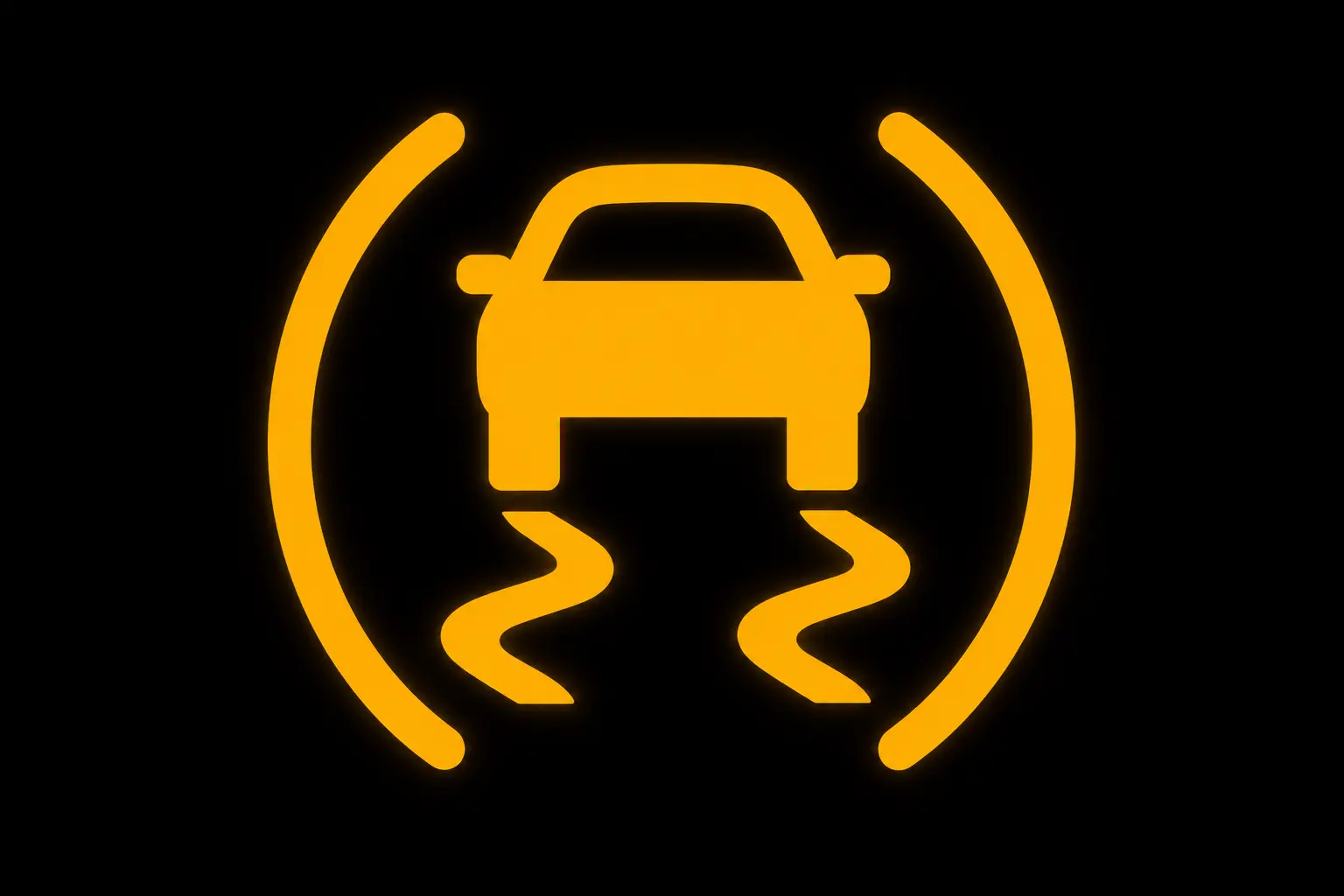
The Traction Control Warning Light indicates that your vehicle’s Traction Control System (TCS) is helping prevent wheel spin. During rain, snow, or loose gravel, it is completely normal for this light to flash briefly while the system improves traction. However, if the light stays illuminated continuously, it may indicate a fault within the traction control system.
Common Causes
- Faulty wheel speed sensor
- Damaged ABS sensor
- Traction control module fault
- Steering angle sensor problem
- Wiring or electrical fault
- Low tire traction
- ABS system malfunction
Can You Drive?
Yes. If the light remains on, your vehicle can usually still be driven, but traction assistance may not be available on slippery roads. Reduce your speed and drive cautiously during poor weather.
What Should You Do?
- Reduce speed on wet or icy roads.
- Avoid sudden acceleration.
- Check if the ABS warning light is also illuminated.
- Schedule a diagnostic inspection.
- Repair the fault to restore full traction control.
10. Electronic Stability Control (ESC) Warning Light
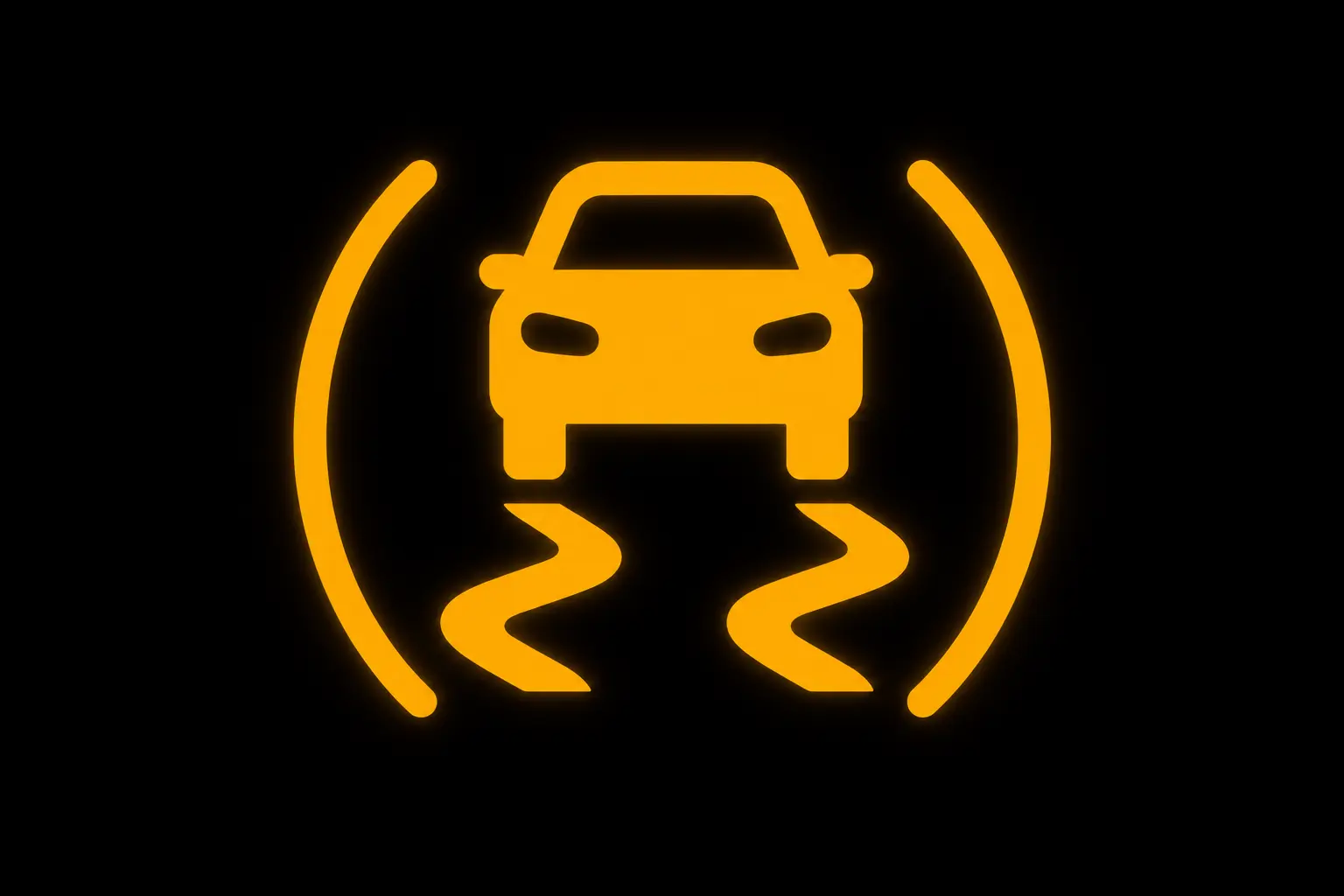
The Electronic Stability Control (ESC) Warning Light indicates that the vehicle’s stability control system is either actively helping maintain control or has detected a malfunction. ESC works together with the ABS and Traction Control System to reduce skidding by automatically applying the brakes to individual wheels when necessary.
Common Causes
- Faulty wheel speed sensor
- Steering angle sensor failure
- Yaw rate sensor malfunction
- ABS control module issue
- ESC module fault
- Electrical wiring problem
- Low battery voltage
Can You Drive?
Yes, but with extra caution. Your vehicle will usually remain drivable, but the stability control system may not be available during emergency maneuvers or slippery road conditions.
What Should You Do?
- Reduce speed, especially in wet or icy conditions.
- Avoid aggressive cornering or sudden steering.
- Check whether the ABS warning light is also illuminated.
- Have the ESC system inspected by a qualified technician.
- Repair the fault to restore full vehicle stability assistance.
11. Tire Pressure Monitoring System (TPMS) Warning Light
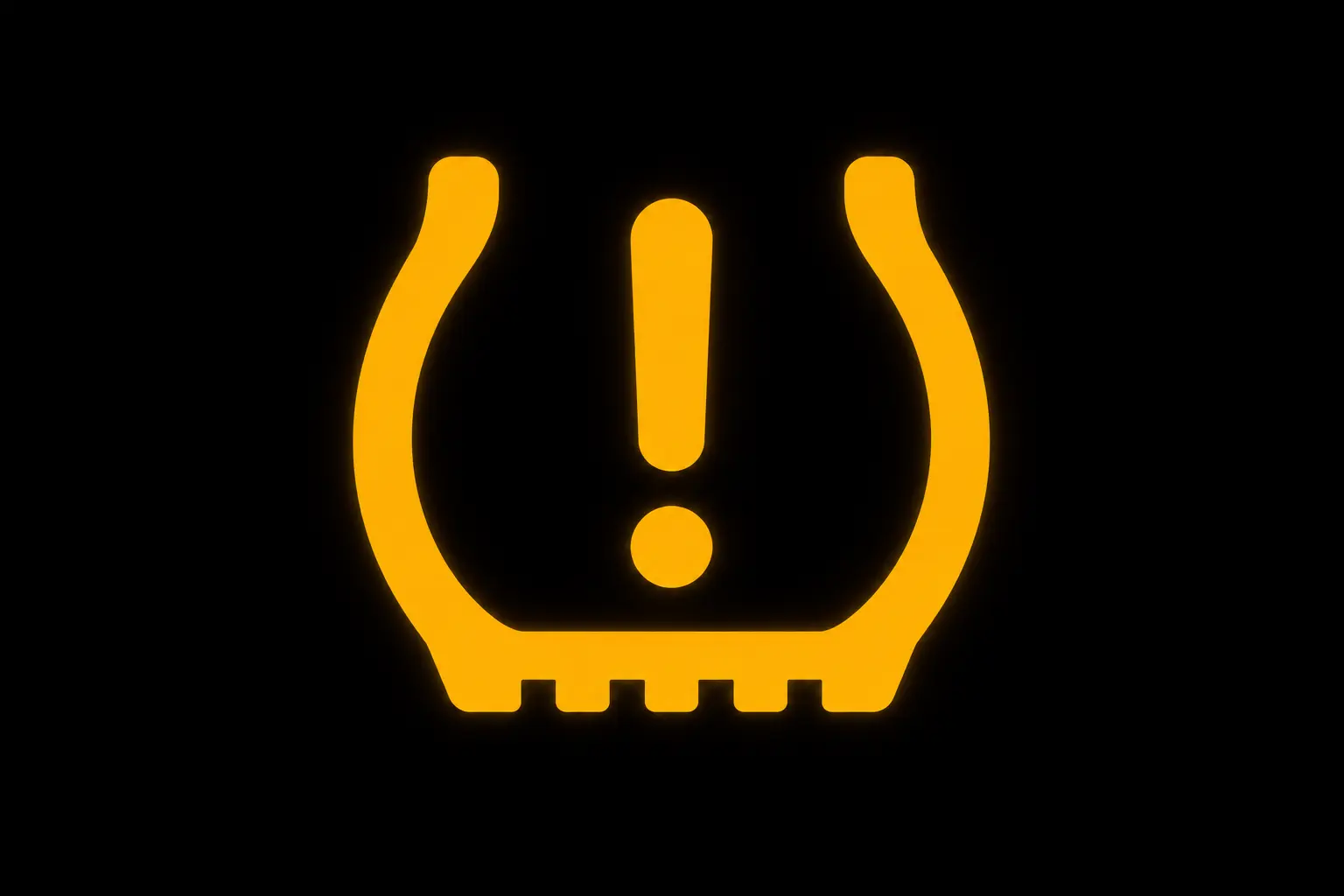
The Tire Pressure Monitoring System (TPMS) Warning Light alerts you when one or more tires are underinflated or, in some cases, overinflated. Driving with incorrect tire pressure can reduce fuel efficiency, increase tire wear, affect handling, and raise the risk of a tire blowout. Many modern vehicles also display the individual tire pressure for each wheel, making it easier to identify the affected tire.
Common Causes
- Low tire pressure due to normal air loss
- Sudden temperature changes
- Tire puncture or slow leak
- Damaged valve stem
- Faulty TPMS sensor
- Recently rotated or replaced tires
- Incorrect tire inflation
Can You Drive?
Usually, yes but only if the tire isn’t severely underinflated. If the warning light comes on suddenly while driving, reduce your speed and inspect the tires as soon as it is safe. Driving long distances on a flat or significantly underinflated tire can cause permanent tire damage and increase the risk of a blowout.
What Should You Do?
- Pull over safely and inspect all four tires.
- Inflate the affected tire to the manufacturer’s recommended pressure.
- Check for visible punctures or damage.
- Reset the TPMS if required by your vehicle.
- If the warning light remains on, have the tire and TPMS sensor inspected.
Learn more about TPMS sensors, warning light resets, repair costs, and troubleshooting in our complete TPMS Warning Light Meaning guide.
12. Suspension Warning Light

The Suspension Warning Light indicates that your vehicle’s suspension system has detected a fault. This warning is most common on vehicles equipped with air suspension, adaptive suspension, or electronic dampers. A suspension problem can affect ride comfort, handling, vehicle stability, and ground clearance.
Common Causes
- Air suspension leak
- Faulty air compressor
- Suspension height sensor failure
- Damaged shock absorbers
- Electronic suspension control module fault
- Wiring or electrical issue
- Low air pressure in the suspension system
Can You Drive?
Yes, but with caution. If the vehicle still feels stable, you can usually drive a short distance to a repair facility. However, if the vehicle is leaning, riding unusually low, or handling poorly, avoid driving until the suspension has been inspected.
What Should You Do?
- Reduce your speed, especially on rough roads.
- Avoid carrying heavy loads.
- Check whether one corner of the vehicle is sitting lower than the others.
- Listen for unusual noises from the suspension.
- Schedule a professional inspection as soon as possible.
13. Power Steering Warning Light
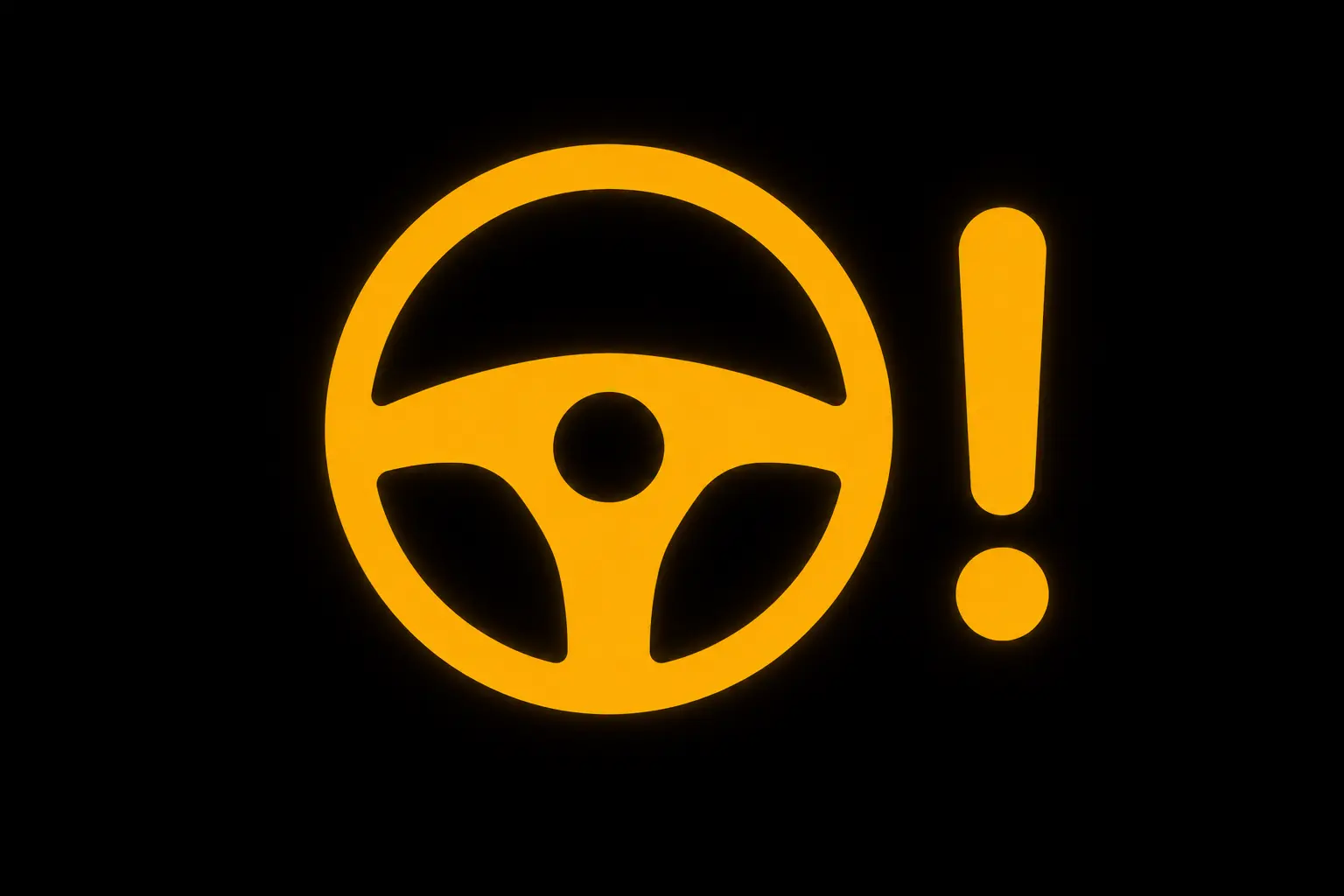
The Power Steering Warning Light indicates a problem with your vehicle’s power steering system. Depending on the vehicle, this system may use hydraulic fluid or an electric power steering (EPS) motor to reduce steering effort. When this warning appears, steering may become much heavier, making the vehicle more difficult to control, especially at low speeds.
Common Causes
- Low power steering fluid (hydraulic systems)
- Power steering fluid leak
- Faulty electric power steering motor
- Steering angle sensor failure
- Blown fuse
- Weak battery or charging system problem
- Power steering control module malfunction
Can You Drive?
Yes, but only if steering remains manageable. If the steering suddenly becomes extremely heavy or difficult to control, pull over safely and avoid continuing your journey until the problem has been diagnosed. Driving with reduced steering assistance can be dangerous, particularly in emergencies.
What Should You Do?
- Safely pull over if steering becomes unusually heavy.
- Check the power steering fluid level if your vehicle uses a hydraulic system.
- Restart the engine to see if the warning light clears.
- Watch for unusual steering noises or vibration.
- Arrange a professional inspection if the warning light stays on.
14. Steering Lock Warning Light
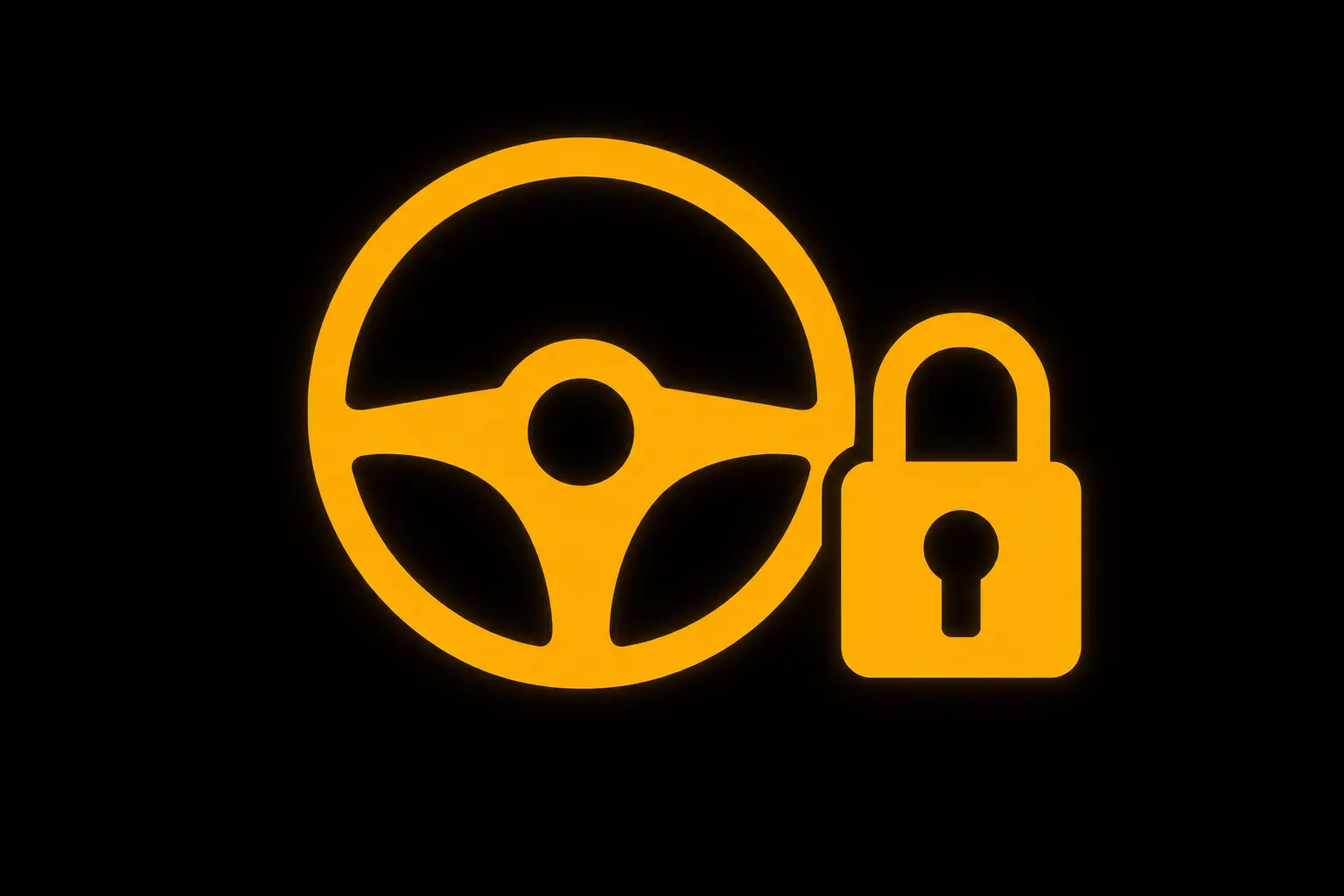
The Steering Lock Warning Light indicates a problem with the electronic steering lock system that helps prevent unauthorized vehicle use. On many modern vehicles with push-button start or keyless entry, the steering lock engages automatically when the vehicle is turned off. If this warning appears, the steering lock may fail to engage or release properly, which could prevent the vehicle from starting.
Common Causes
- Faulty electronic steering lock
- Weak or discharged vehicle battery
- Key fob communication issue
- Steering lock motor failure
- Damaged ignition switch
- Wiring or electrical fault
- Steering column control module malfunction
Can You Drive?
Usually, yes, if the vehicle has already started. However, if the warning appears before starting the engine, the vehicle may not start until the issue is resolved. Avoid repeatedly forcing the steering wheel, as this may worsen the problem.
What Should You Do?
- Ensure the steering wheel is not under excessive tension.
- Restart the vehicle if possible.
- Check the condition of the key fob battery.
- Watch for additional security system warnings.
- Have the steering lock system inspected if the warning continues.
15. Headlight Indicator Light
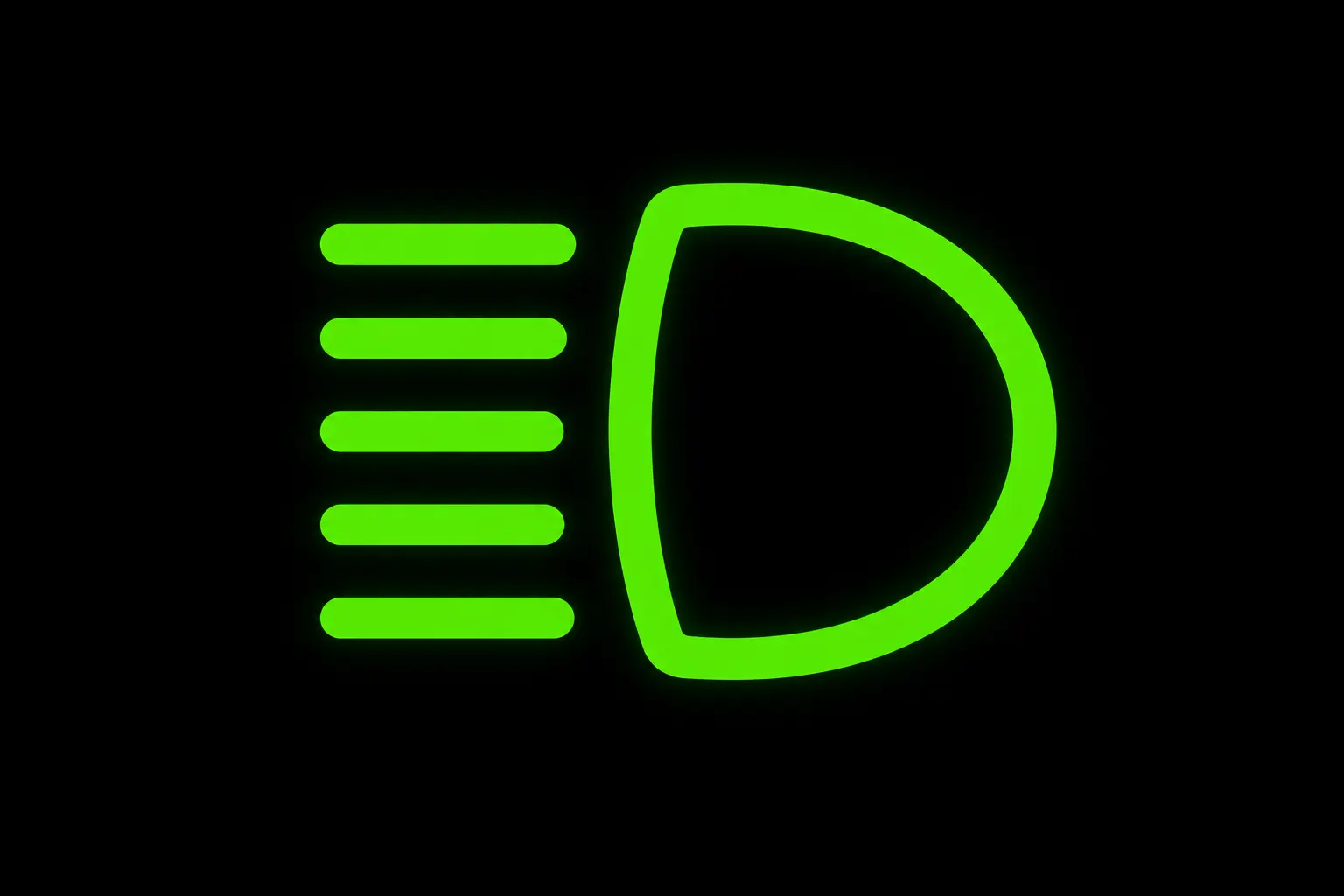
The Headlight Indicator Light simply confirms that your vehicle’s low-beam headlights are switched on. Unlike most dashboard warning lights, this is not a fault indicator. It serves as a reminder that your exterior lights are active, helping improve visibility during nighttime driving, heavy rain, fog, or other low-light conditions.
Common Causes
The indicator usually appears when:
- Low-beam headlights are turned on
- Automatic headlights activate in low-light conditions
- Daytime Running Lights (on some vehicles)
- The headlight switch is set to the ON position
Can You Drive?
Yes. This is a normal operating indicator and does not signal a problem with your vehicle.
What Should You Do?
- Confirm your headlights are working properly.
- Use low beams during poor visibility or at night.
- Switch to high beams only when appropriate.
- Replace any burned-out headlight bulbs if visibility is reduced.
16. Front Fog Light Indicator

The Front Fog Light Indicator shows that your vehicle’s front fog lights are switched on. Fog lights are designed to improve visibility during fog, heavy rain, snow, or dusty conditions by projecting a wide beam close to the road surface. They are not intended for normal nighttime driving.
Common Causes
The indicator appears when:
- Front fog lights are manually switched on
- Low-visibility weather conditions
- Fog light switch is activated
Can You Drive?
Yes. This is simply an informational indicator.
What Should You Do?
- Use fog lights only in poor visibility.
- Turn them off when weather conditions improve.
- Check fog light bulbs if visibility seems poor.
- Avoid using fog lights unnecessarily, as they can cause glare for other drivers.
17. Lamp Out Warning Light
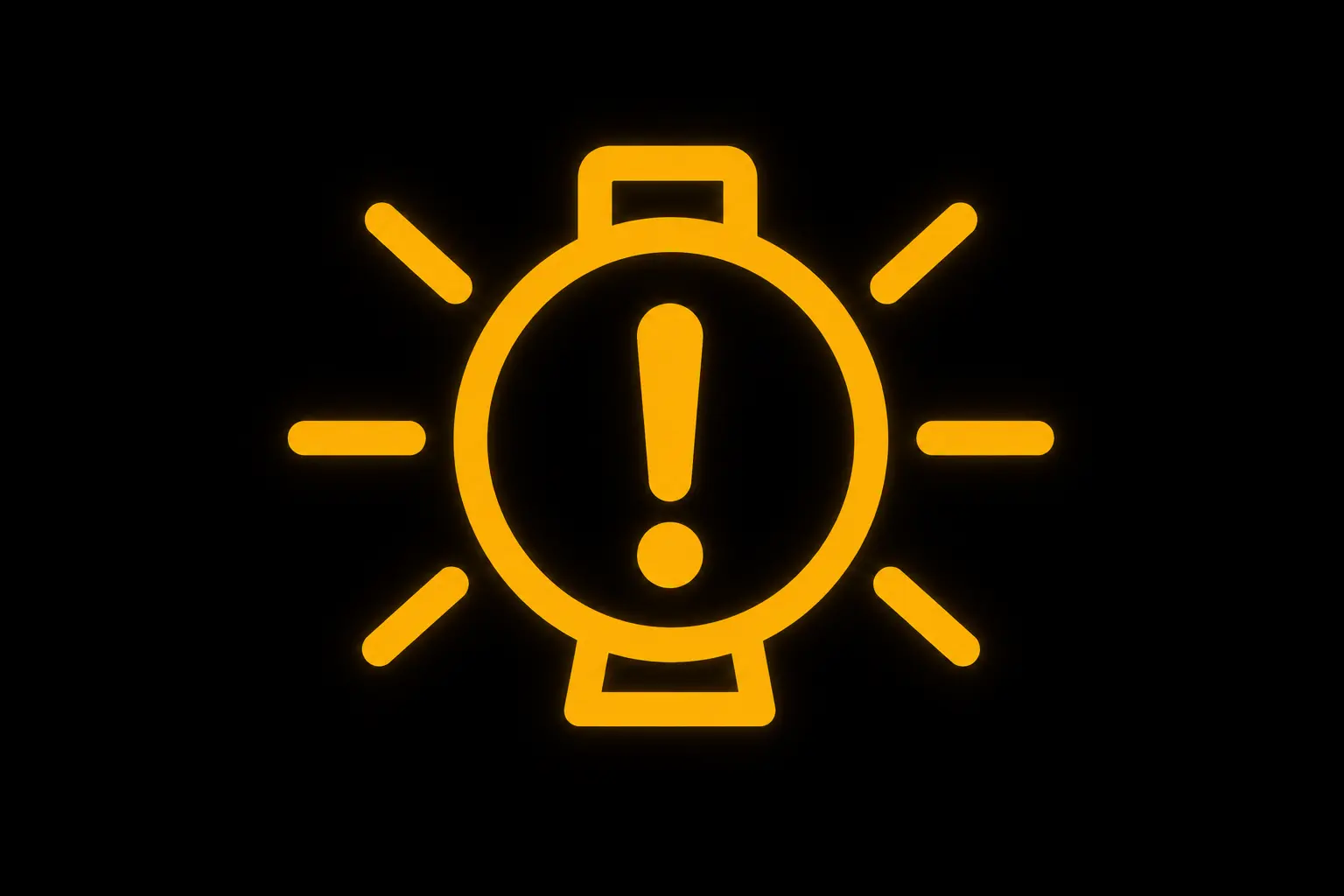
The Lamp Out Warning Light indicates that one or more of your vehicle’s exterior lights are not working properly. This could involve a headlight, taillight, brake light, turn signal, license plate light, or another exterior bulb. While the vehicle can usually still be driven, reduced visibility and communication with other road users can increase the risk of an accident.
Common Causes
- Burned-out headlight bulb
- Faulty brake light
- Damaged taillight
- Burned-out turn signal
- Loose electrical connector
- Blown fuse
- Faulty lighting control module
Can You Drive?
Usually, yes. However, if the failed light affects your ability to see the road or makes it difficult for other drivers to see your vehicle, repair it as soon as possible. Driving with faulty exterior lights may also violate local traffic laws.
What Should You Do?
- Walk around the vehicle and check all exterior lights.
- Replace any burned-out bulbs.
- Check the appropriate fuse if multiple lights have stopped working.
- Test the lights again after replacing the bulb.
- If the warning remains, have the electrical system inspected.
18. Seat Belt Warning Light
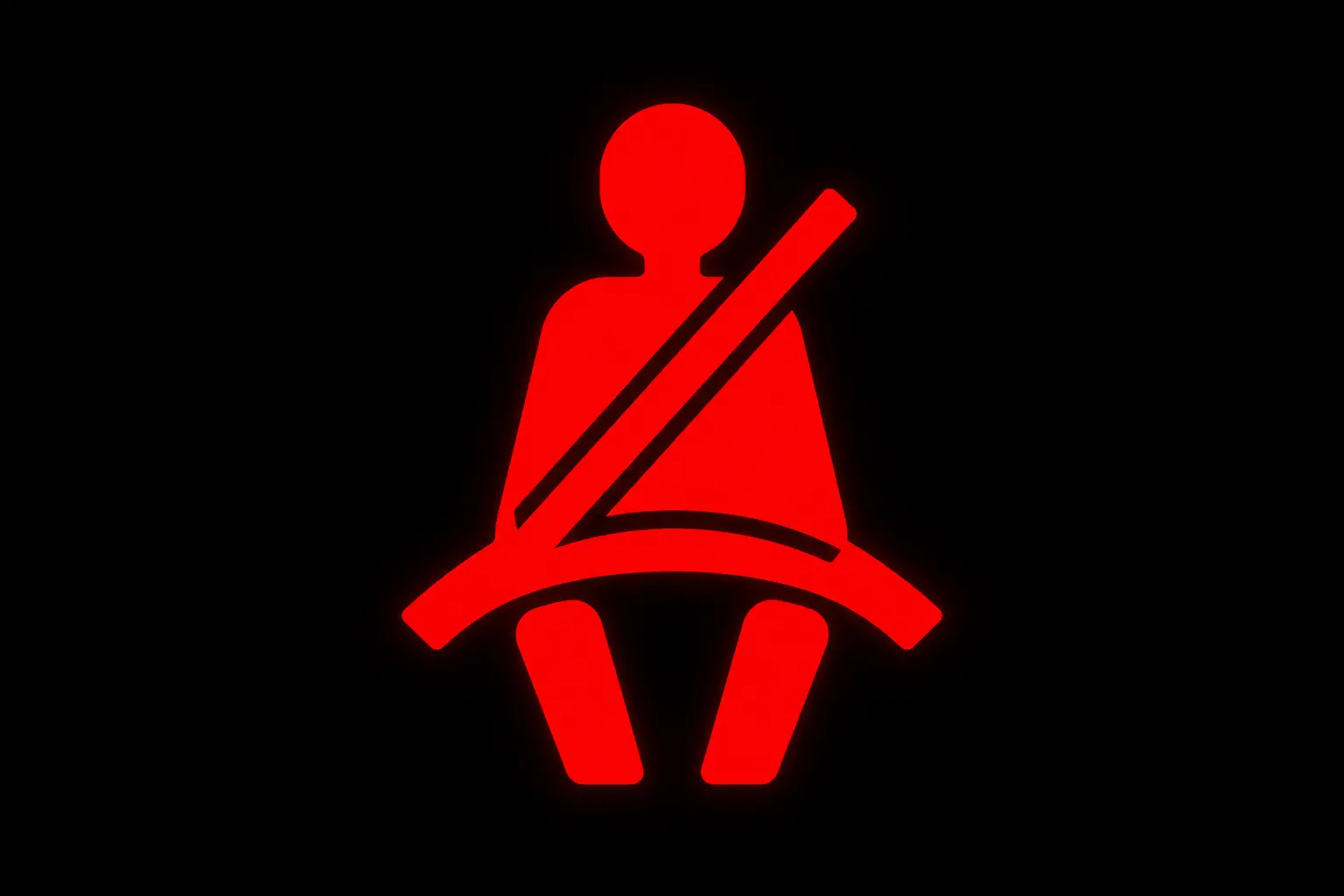
The Seat Belt Warning Light reminds the driver or passengers to fasten their seat belts before driving. Most modern vehicles combine this warning with an audible chime and passenger seat sensors to improve occupant safety. While it does not indicate a mechanical fault in most cases, a warning that remains on after everyone is buckled may point to a sensor or buckle issue.
Common Causes
- Driver or passenger seat belt is unfastened
- Passenger detection sensor activated
- Faulty seat belt buckle switch
- Damaged seat occupancy sensor
- Wiring issue in the restraint system
Can You Drive?
Yes, but you should not. Always fasten your seat belt before moving the vehicle. Seat belts significantly reduce the risk of serious injury or death in a collision.
What Should You Do?
- Ensure all occupants are wearing their seat belts.
- Check that each buckle is securely latched.
- Remove heavy objects from passenger seats if they trigger the sensor.
- If the warning remains on after buckling up, have the restraint system inspected.
19. Automatic Emergency Braking (AEB) Warning Light
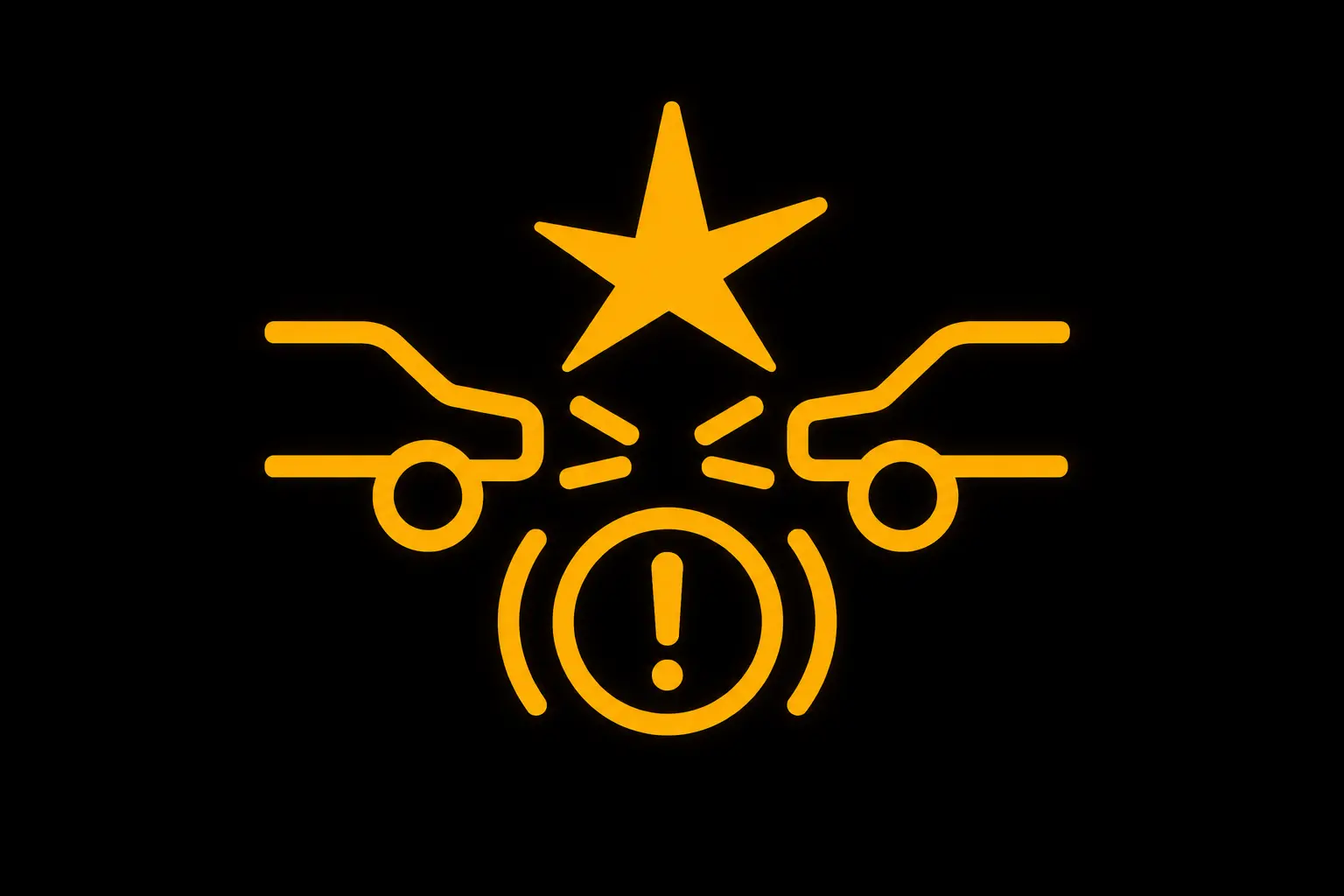
The Automatic Emergency Braking (AEB) Warning Light indicates that your vehicle’s Automatic Emergency Braking system has been disabled or has detected a malfunction. AEB uses cameras, radar, or sensors to detect potential collisions and can automatically apply the brakes if the driver does not react in time. If this warning remains on, the system may not provide emergency braking assistance when needed.
Common Causes
- Dirty or blocked camera lens
- Radar sensor obstructed by snow, ice, or dirt
- Heavy rain or poor weather conditions
- Faulty radar or camera sensor
- Software malfunction
- Wiring or electrical fault
- AEB control module issue
Can You Drive?
Yes. Your vehicle’s normal braking system will continue to work, but the automatic emergency braking feature may not be available. Drive carefully and maintain a safe following distance until the system is repaired.
What Should You Do?
- Clean the front camera and radar sensors.
- Restart the vehicle to see if the warning clears.
- Avoid relying on driver-assistance features.
- If the warning remains, schedule a professional inspection.
- Repair the fault to restore full safety functionality.
20. Lane Keep Assist Warning Light
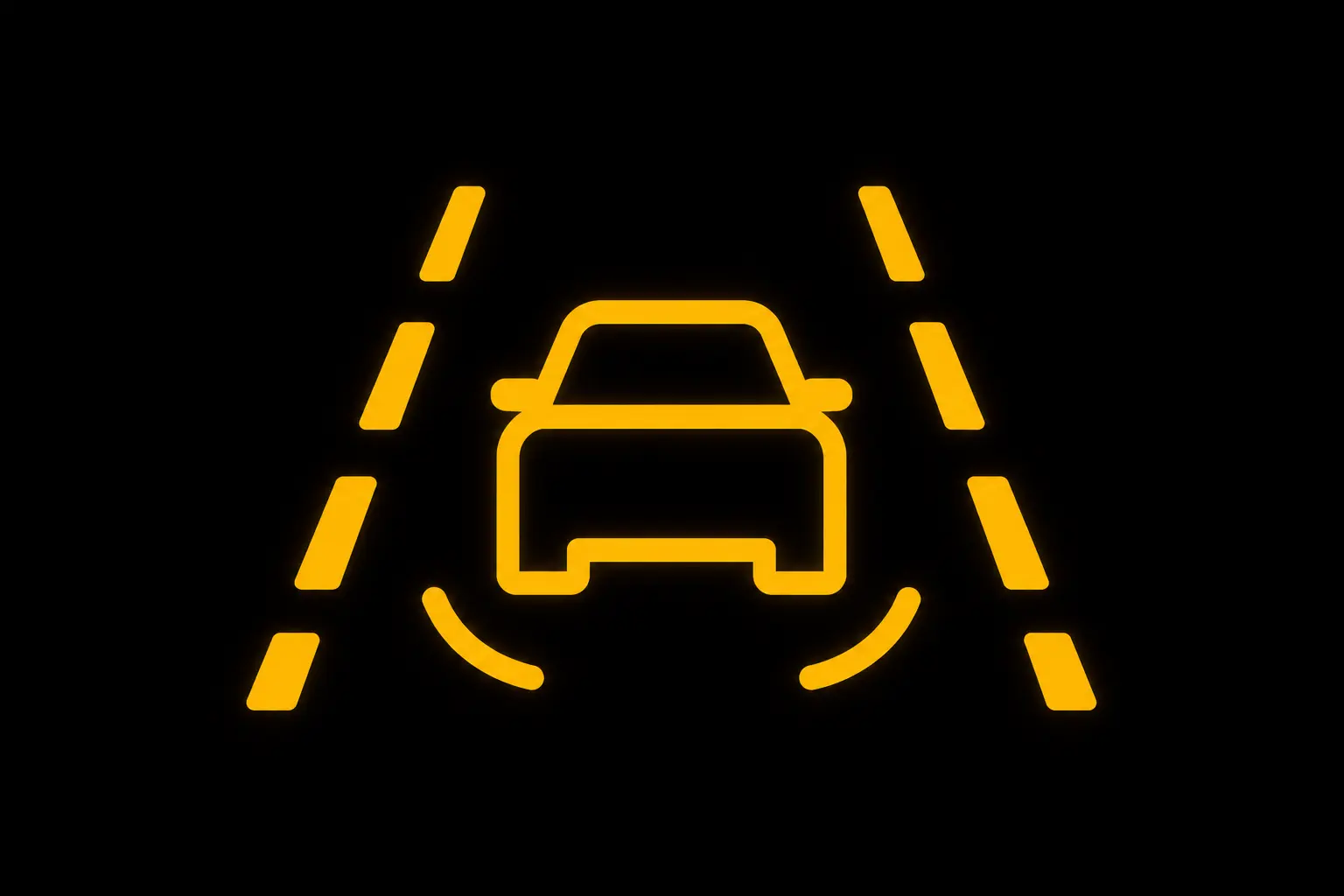
The Lane Keep Assist Warning Light indicates that the Lane Keep Assist (LKA) system has been turned off or has detected a fault. This driver assistance feature uses a forward-facing camera to monitor lane markings and can provide steering assistance or alerts if the vehicle begins drifting out of its lane unintentionally.
Common Causes
- Dirty windshield camera
- Poor or faded lane markings
- Heavy rain, snow, or fog
- Camera calibration issue
- Electrical wiring fault
- Driver manually disabled the system
- Lane Keep Assist module malfunction
Can You Drive?
Yes. The vehicle can be driven normally, but lane departure warnings and steering assistance may not function. Pay extra attention to maintaining your lane, especially during long highway journeys.
What Should You Do?
- Clean the windshield around the front camera.
- Check whether the system has been turned off in the vehicle settings.
- Drive on roads with clearly visible lane markings.
- Restart the vehicle if necessary.
- If the warning persists, have the system inspected.
21. Cruise Control Warning Light
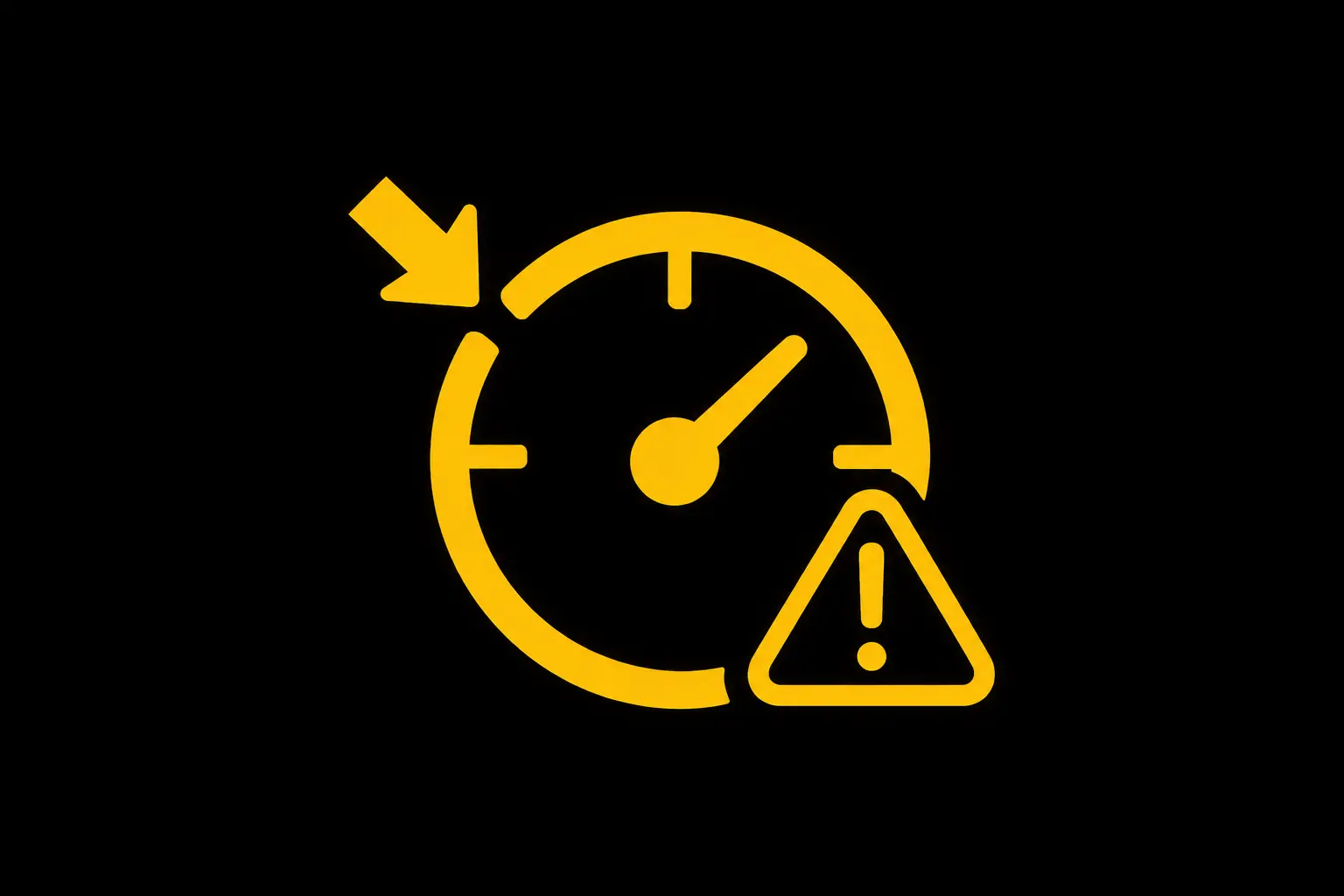
The Cruise Control Warning Light indicates a problem with your vehicle’s cruise control system or adaptive cruise control system. Cruise control helps maintain a constant speed without pressing the accelerator, while adaptive cruise control can automatically adjust your speed based on surrounding traffic. If this warning appears, the system may become unavailable until the issue is repaired.
Common Causes
- Faulty brake pedal switch
- Steering wheel control button failure
- Speed sensor malfunction
- Adaptive cruise control radar issue
- Electrical wiring fault
- Cruise control module failure
- Blown fuse
Can You Drive?
Yes. This warning does not usually affect the vehicle’s normal driving performance. However, cruise control and adaptive cruise functions may no longer operate until the problem has been resolved.
What Should You Do?
- Restart the vehicle to check if the warning clears.
- Verify that no other warning lights are active.
- Clean the front radar sensor if equipped.
- Avoid relying on adaptive cruise features.
- Schedule a diagnostic inspection if the warning remains.
22. Traffic Sign Recognition Warning Light
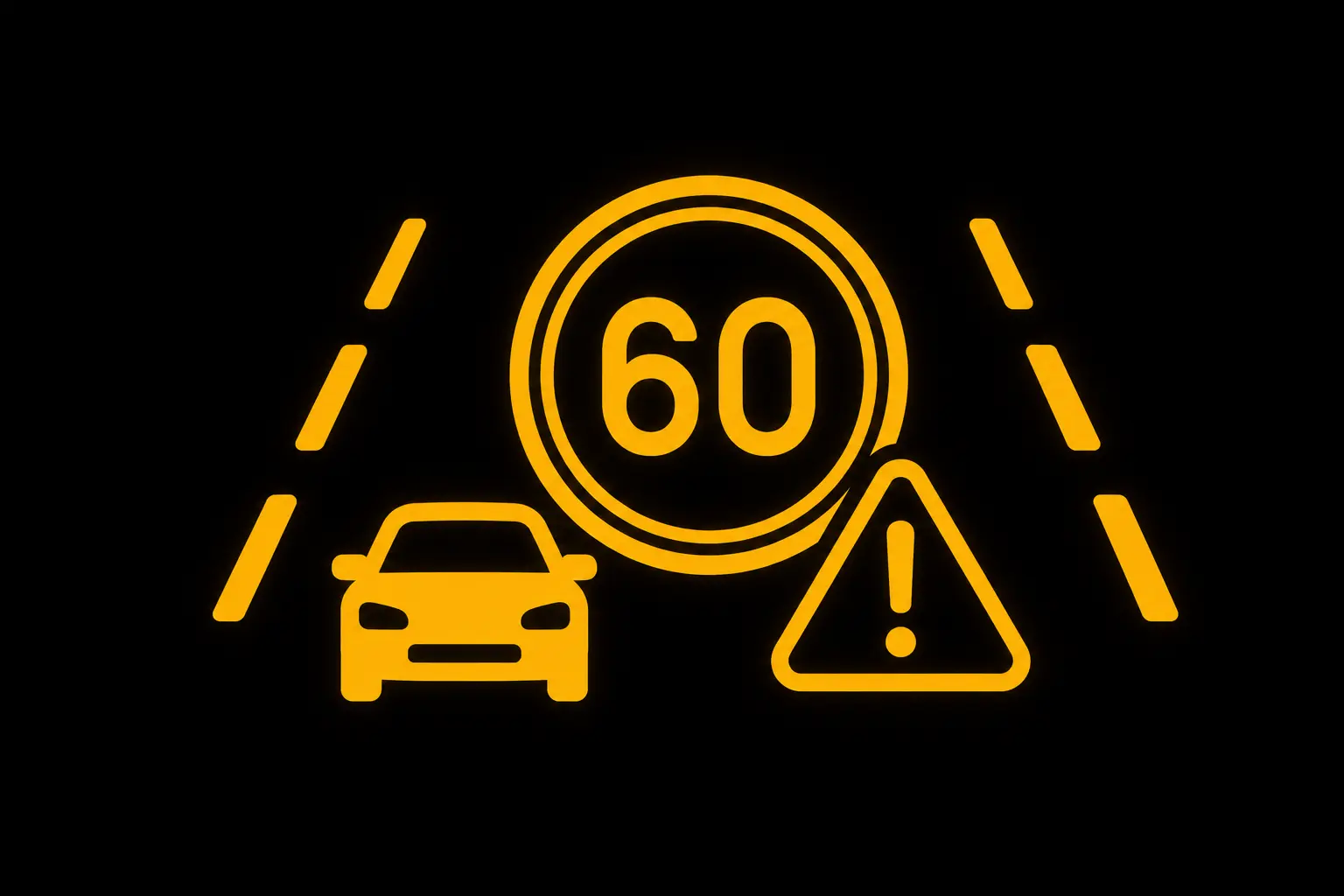
The Traffic Sign Recognition Warning Light indicates that your vehicle’s Traffic Sign Recognition (TSR) system has been disabled or has detected a fault. This feature uses cameras to identify speed limits, stop signs, and other important road signs, then displays them on the dashboard or infotainment screen. If the warning appears, sign recognition may no longer function correctly.
Common Causes
- Dirty windshield camera
- Camera blocked by snow, dirt, or ice
- Poor visibility
- Camera calibration problem
- Software malfunction
- Electrical wiring issue
- TSR control module fault
Can You Drive?
Yes. This warning does not affect the vehicle’s basic driving functions. You simply won’t receive traffic sign information from the system, so continue observing road signs manually.
What Should You Do?
- Clean the windshield camera area.
- Drive in good visibility whenever possible.
- Restart the vehicle.
- Check for software updates if recommended by the manufacturer.
- Have the system inspected if the warning remains.
23. Automatic High Beam Warning Light
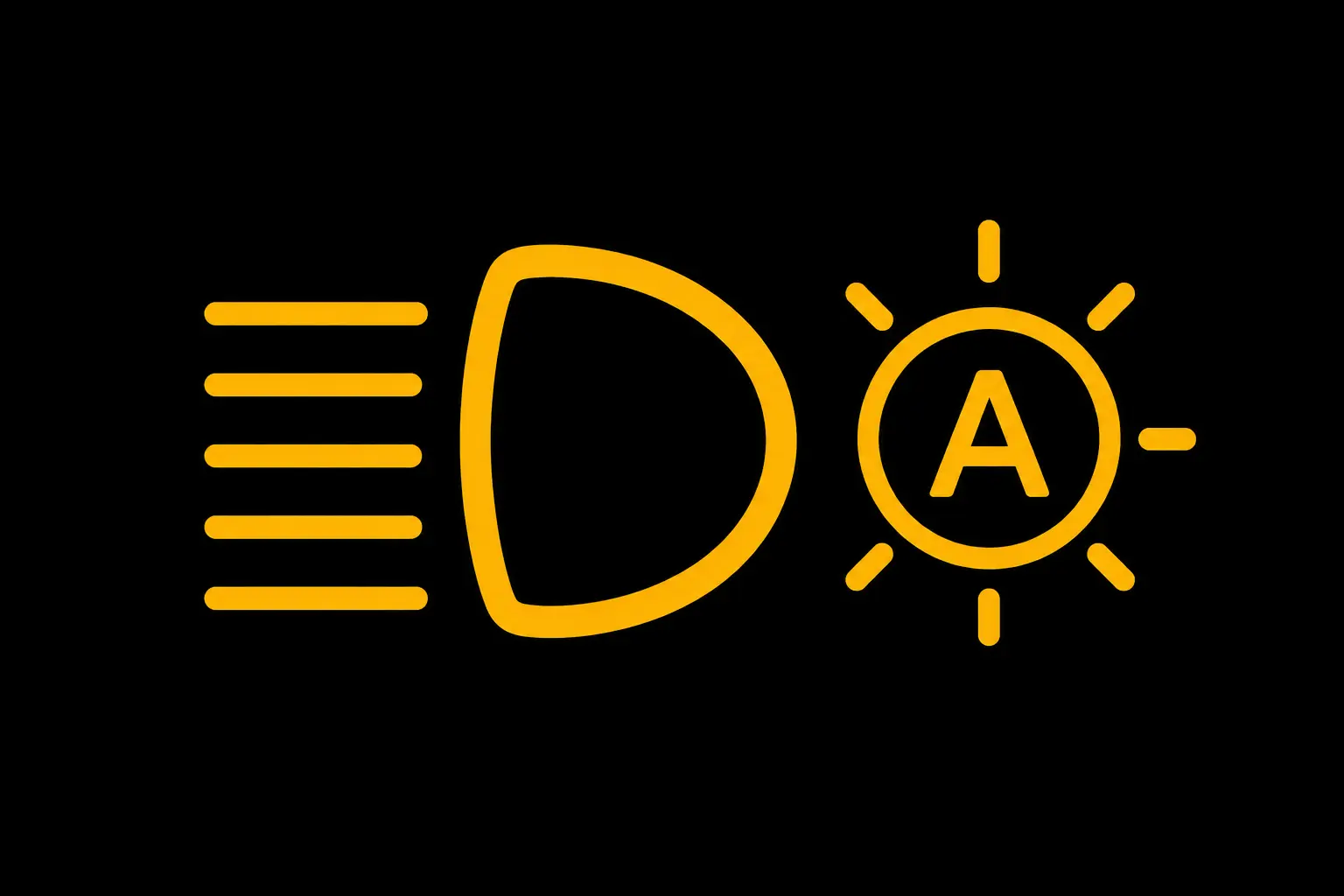
The Automatic High Beam Warning Light indicates that the vehicle’s Automatic High Beam (AHB) system is active or has detected a malfunction. When operating correctly, this feature automatically switches between low and high beams based on surrounding traffic and road conditions to improve nighttime visibility without dazzling other drivers.
Common Causes
- Dirty windshield camera
- Blocked forward-facing sensor
- Heavy rain, fog, or snow
- Camera calibration issue
- Faulty lighting control module
- Electrical wiring problem
- Automatic high beam system fault
Can You Drive?
Yes. If the automatic system becomes unavailable, your regular headlights and manual high beams will continue to function normally. You can simply operate the headlights manually until the issue is repaired.
What Should You Do?
- Clean the windshield in front of the camera.
- Ensure the headlight lenses are clean.
- Test manual high beam operation.
- Restart the vehicle if necessary.
- Schedule an inspection if the warning continues to appear.
24. Immobilizer Warning Light
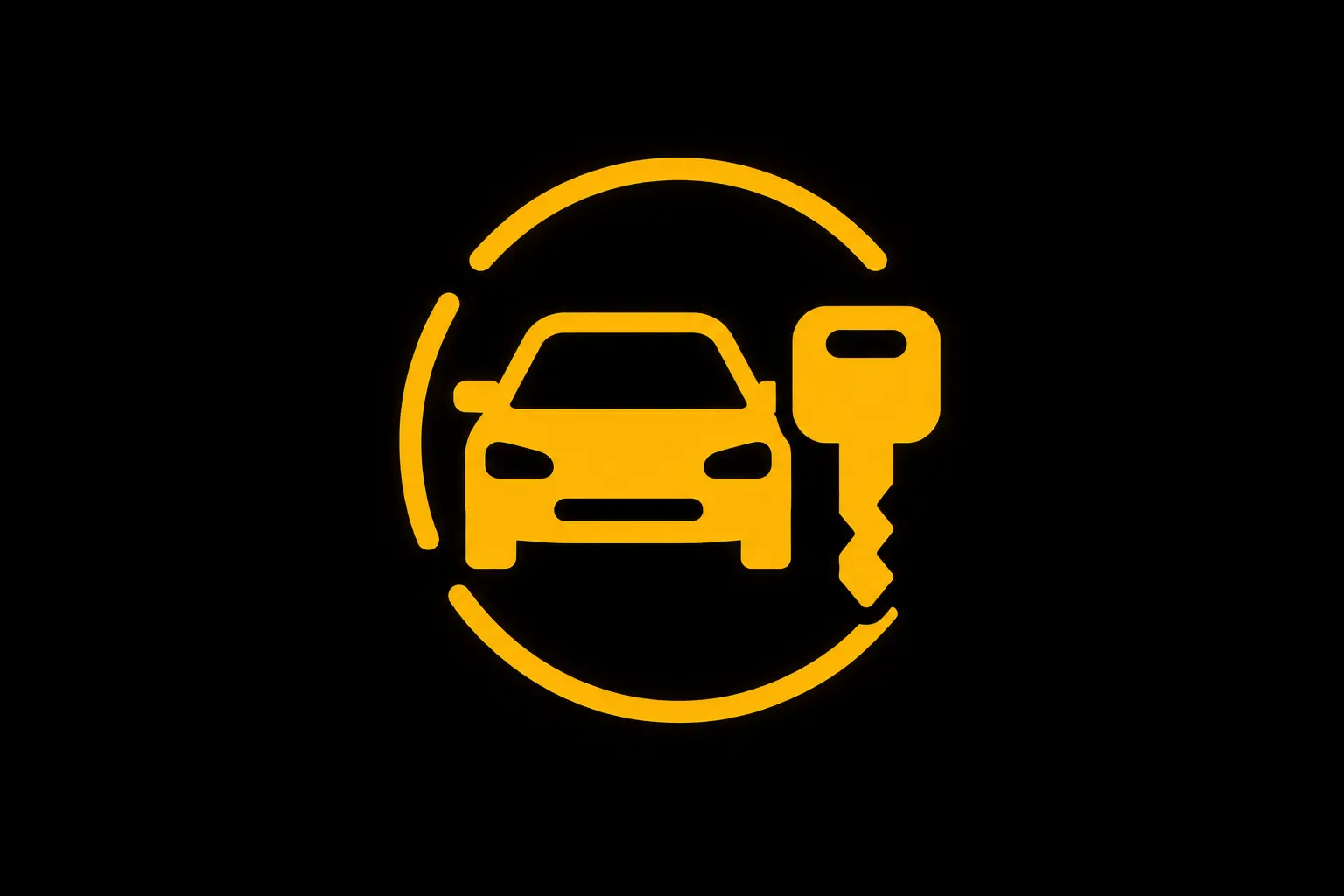
The Immobilizer Warning Light indicates that your vehicle’s anti-theft system cannot recognize the electronic key or key fob. Modern vehicles use an immobilizer to prevent unauthorized engine starts by verifying the key’s unique security code. If the system cannot authenticate the key, the engine may fail to start or shut off shortly after starting.
Common Causes
- Weak key fob battery
- Incorrect or unprogrammed key
- Faulty key transponder chip
- Immobilizer antenna problem
- Vehicle battery voltage is low
- Electrical wiring fault
- Immobilizer control module malfunction
Can You Drive?
If the engine is already running, usually yes. However, if the warning appears before starting the vehicle, you may not be able to start the engine until the issue is resolved.
What Should You Do?
- Try using your spare key if available.
- Replace the key fob battery.
- Ensure the key is inside the vehicle.
- Restart the vehicle after a few minutes.
- If the warning remains, have the immobilizer system diagnosed.
25. Vehicle Connected to Charging Cable Indicator
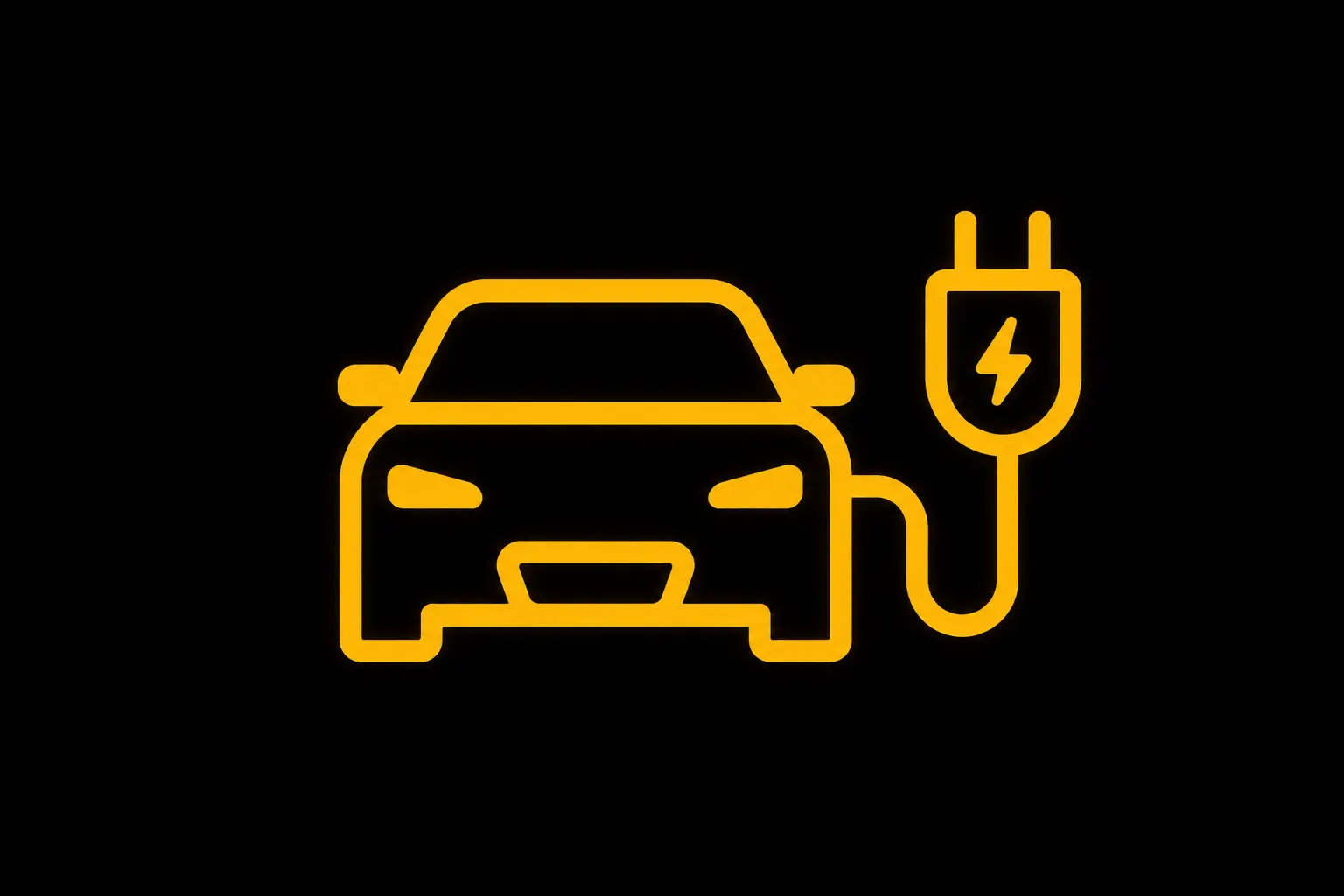
The Vehicle Connected to Charging Cable Indicator is found on electric vehicles (EVs) and plug-in hybrid electric vehicles (PHEVs). It confirms that a charging cable is connected to the vehicle’s charging port. Unlike most dashboard warning lights, this is an informational indicator rather than a fault.
Common Causes
The indicator appears when:
- Charging cable is connected
- Vehicle is actively charging
- Charging session is scheduled
- Charging connector is locked into place
Can You Drive?
No. The vehicle cannot be driven while the charging cable is connected. Most EVs automatically prevent driving until the connector is safely disconnected.
What Should You Do?
- Verify that charging has completed if you’re ready to leave.
- Disconnect the charging cable properly.
- Close the charging port cover securely.
- If the indicator remains on after disconnecting the cable, inspect the charging connector and schedule a service appointment if necessary.
26. Automatic Stop-Start Indicator
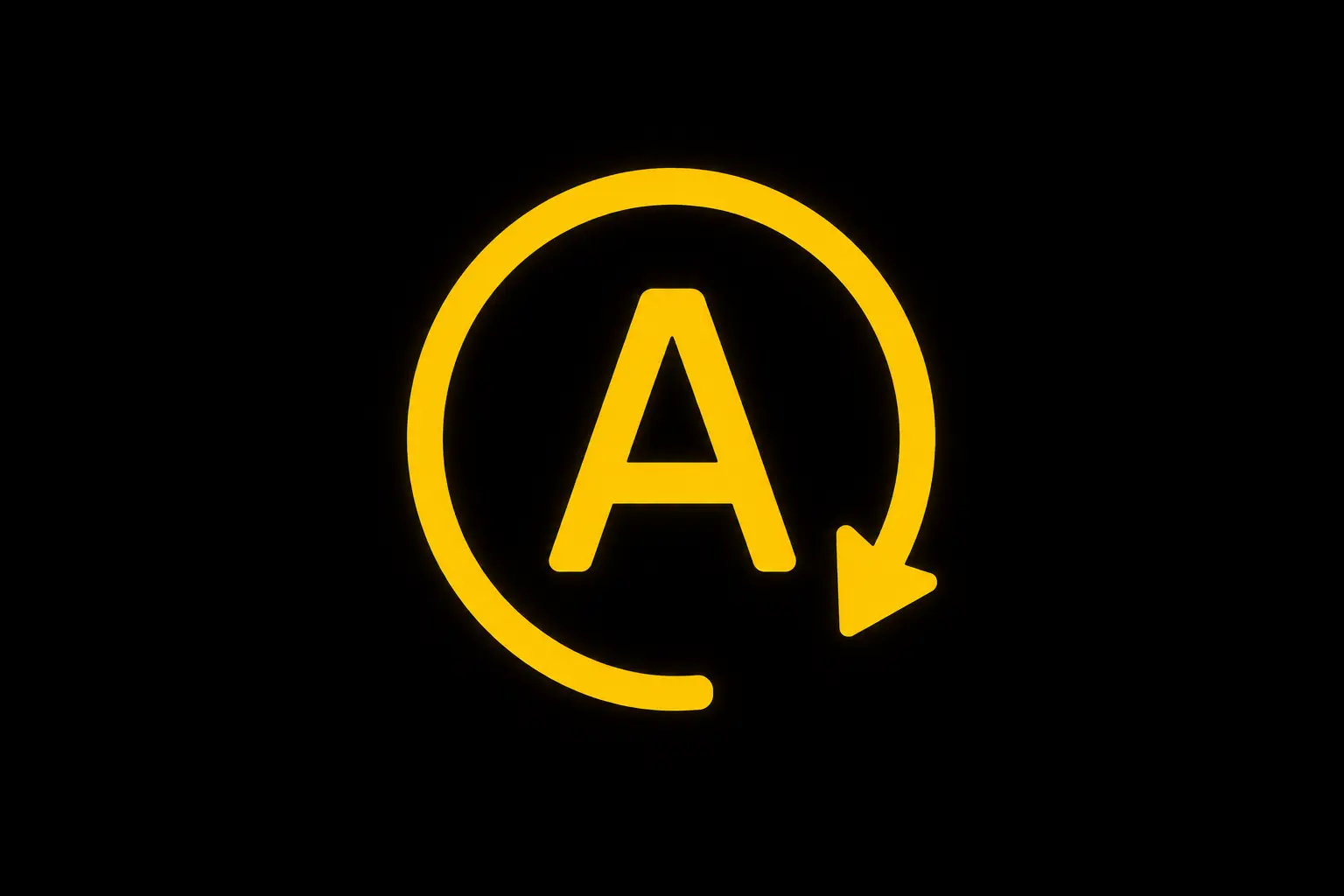
The Automatic Stop-Start Indicator shows that your vehicle’s automatic engine stop-start system is operating normally. This feature temporarily shuts off the engine when the vehicle is stationary, such as at traffic lights, to reduce fuel consumption and emissions. The engine automatically restarts when you release the brake pedal or press the accelerator.
Common Causes
The indicator appears when:
- Automatic stop-start is active
- Engine operating conditions are suitable
- Battery charge is sufficient
- Climate control demand allows engine shutdown
Can You Drive?
Yes. This is a normal operating indicator and does not indicate a fault with the vehicle.
What Should You Do?
- Allow the system to operate normally.
- If desired, disable the feature using the vehicle’s stop-start button.
- If the system stops working unexpectedly, have the battery and charging system checked.
27. Freezing Temperature / Ice Warning Light

The Freezing Temperature Warning Light alerts you that the outside temperature is approaching or has fallen below the freezing point. While this indicator does not signal a mechanical problem, it reminds drivers that roads and bridges may become icy, increasing the risk of reduced traction.
Common Causes
The indicator appears when:
- Outside temperature approaches freezing
- Ice may form on roads or bridges
- Ambient temperature sensor detects low temperatures
Can You Drive?
Yes. However, you should drive more cautiously because road conditions may become hazardous.
What Should You Do?
- Reduce your speed.
- Increase your following distance.
- Avoid sudden braking or sharp steering inputs.
- Watch for black ice, especially on bridges and shaded roads.
- Consider using winter tires in freezing conditions.
28. Automatic Emergency Steering (AES) Disabled
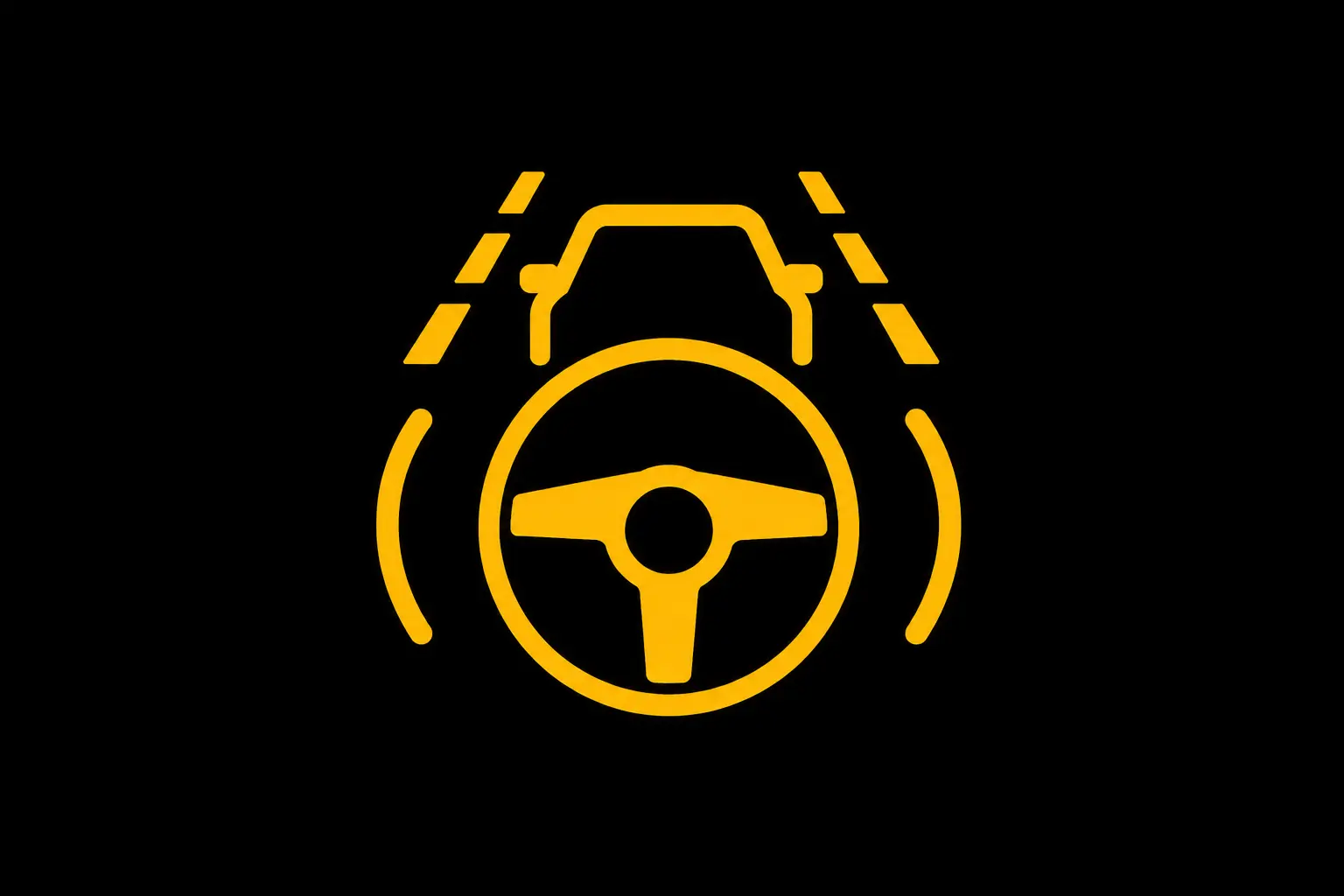
The Automatic Emergency Steering (AES) Warning Light indicates that your vehicle’s Automatic Emergency Steering system has been disabled or has detected a fault. This advanced driver assistance feature can automatically assist with steering during certain emergencies to help reduce the severity of a collision or avoid it altogether.
Common Causes
- Dirty or blocked front camera
- Radar sensor obstruction
- Heavy rain, snow, or fog
- Camera calibration issue
- Faulty steering assistance system
- Electrical wiring fault
- AES control module malfunction
Can You Drive?
Yes. Normal steering will continue to function, but automatic emergency steering assistance may not be available if needed. Drive carefully until the issue has been inspected.
What Should You Do?
- Clean the vehicle’s front camera and radar sensors.
- Restart the vehicle.
- Avoid relying solely on driver-assistance features.
- Check for additional ADAS warning lights.
- Schedule a professional inspection if the warning remains.
29. Washer Fluid

The Washer Fluid Warning Light indicates that the windshield washer fluid reservoir is running low. Although this warning does not affect your vehicle’s mechanical performance, washer fluid is essential for keeping the windshield clean and maintaining clear visibility in rain, snow, mud, or dusty conditions.
Common Causes
- Low windshield washer fluid
- Washer fluid leak
- Faulty fluid level sensor
- Damaged washer fluid reservoir
- Loose washer hose
Can You Drive?
Yes. However, driving with an empty washer fluid reservoir can reduce visibility if your windshield becomes dirty. Refill the reservoir as soon as possible.
What Should You Do?
- Refill the washer fluid reservoir with the recommended washer fluid.
- Check for leaks around the reservoir.
- Test the windshield washers after refilling.
- If the warning remains on, have the level sensor inspected.
30. Door Open
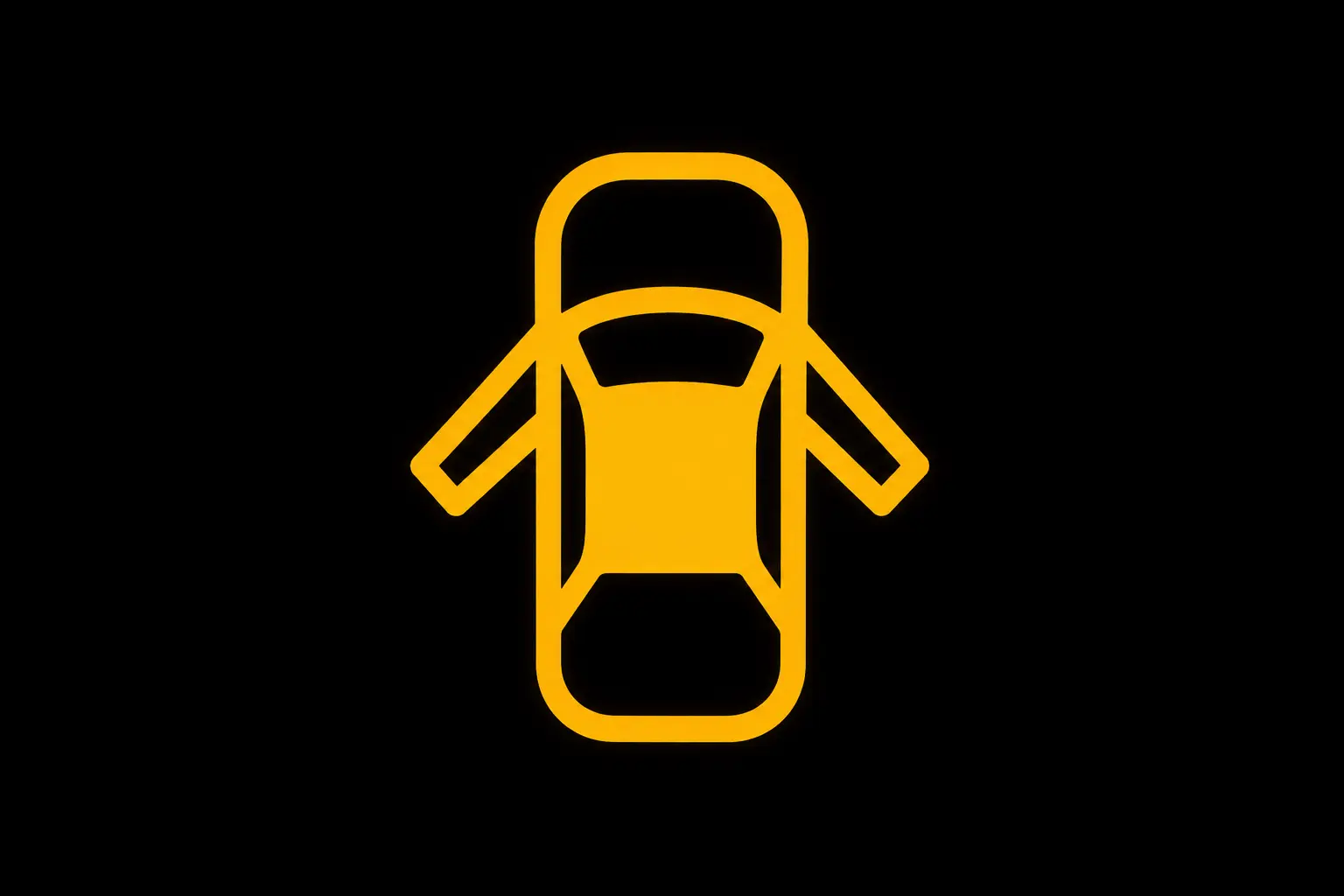
The Door Open Warning Light indicates that one or more doors, the trunk, or the hood is not fully closed. Modern vehicles use door latch sensors to detect whether all openings are securely closed before driving.
Common Causes
- Door not fully closed
- Trunk or liftgate open
- Hood not securely latched
- Faulty door latch sensor
- Damaged door switch
- Electrical wiring issue
Can You Drive?
Yes, but only after confirming every door is securely closed. Driving with an open door, hood, or trunk can create a serious safety hazard and may trigger additional warning chimes.
What Should You Do?
- Stop safely if necessary.
- Check all doors, the hood, and the trunk.
- Close each opening firmly.
- If the warning remains, have the door latch sensors inspected.
31. Low Fuel
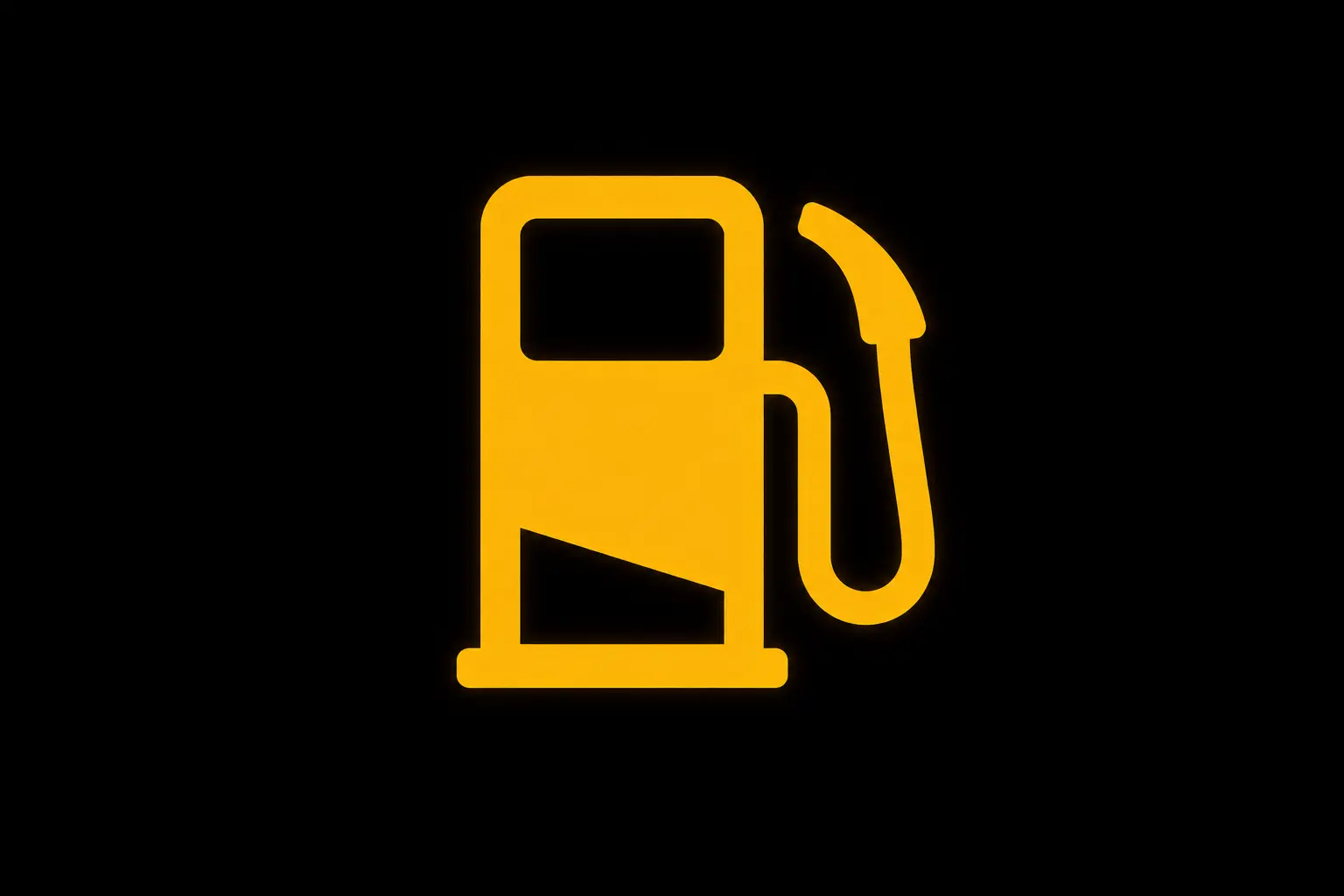
The Low Fuel Warning Light lets you know that your vehicle’s fuel level has dropped below the manufacturer’s reserve threshold. Most vehicles still have enough fuel to travel a short distance, but the remaining range varies depending on the vehicle and driving conditions.
Common Causes
- Low fuel level
- Faulty fuel level sensor
- Fuel gauge malfunction
- Wiring issue affecting the fuel sender
Can You Drive?
Yes, but only for a limited distance. Avoid driving until the tank is completely empty, as this can damage the fuel pump on some vehicles and leave you stranded.
What Should You Do?
- Refuel as soon as possible.
- Avoid aggressive acceleration to maximize remaining fuel.
- Don’t rely entirely on the estimated driving range.
- If the warning appears with a full tank, have the fuel level sensor inspected.
32. Rev-Match System
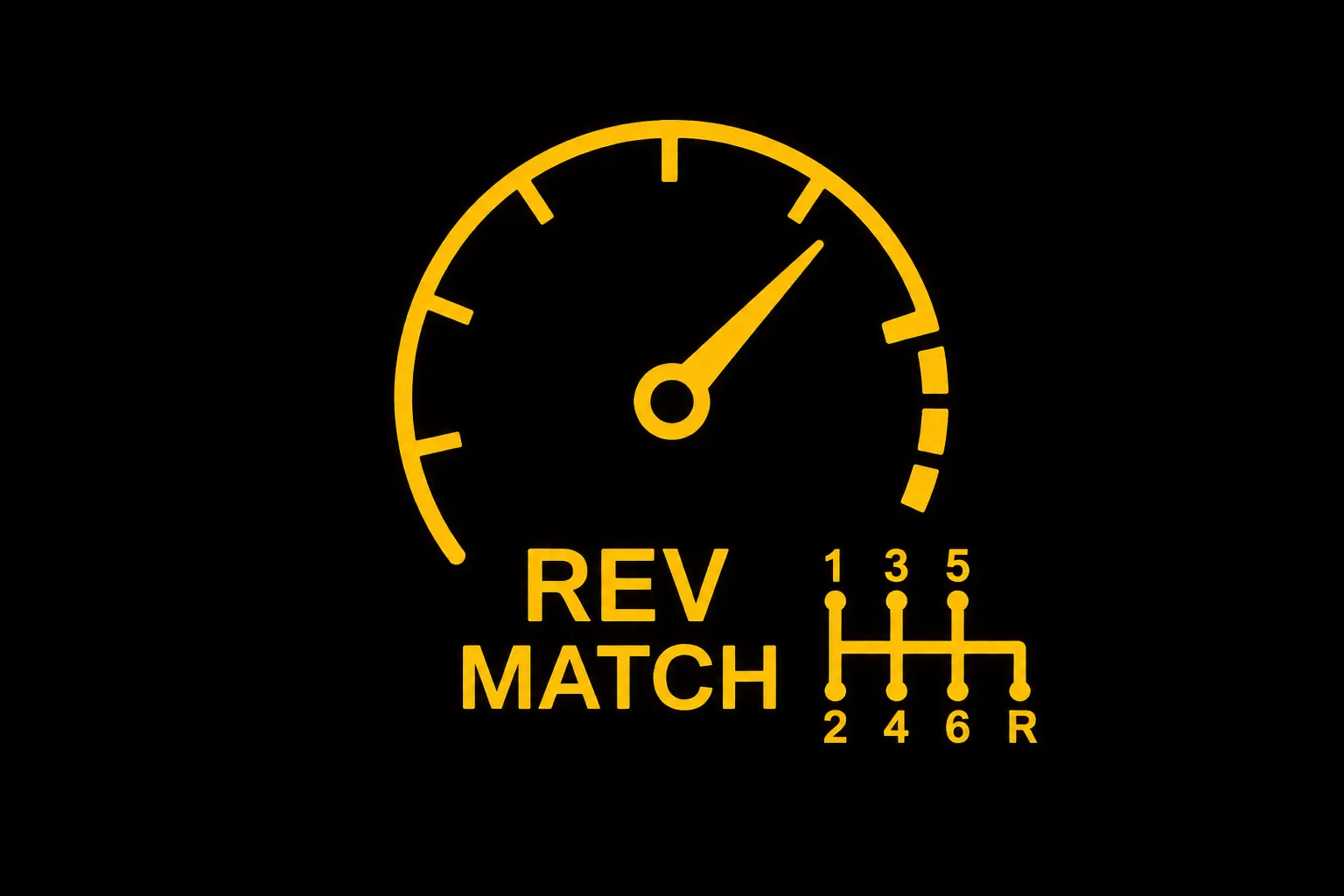
The Rev-Match System Warning Light indicates a problem with the automatic rev-matching system found on some manual transmission vehicles. This feature automatically adjusts engine speed during downshifts to provide smoother gear changes and reduce drivetrain wear.
Common Causes
- Rev-match system malfunction
- Clutch position sensor fault
- Transmission sensor issue
- Engine control module software problem
- Electrical wiring fault
- Steering wheel control switch failure
Can You Drive?
Yes. The vehicle remains fully drivable, but automatic rev-matching may no longer function. Drivers can continue shifting manually using normal rev-matching techniques.
What Should You Do?
- Continue driving normally if gear changes remain smooth.
- Restart the vehicle to see if the warning clears.
- Check for additional transmission warning lights.
- Schedule a diagnostic inspection if the warning remains.
33. Hybrid & Electric Vehicle High-Voltage
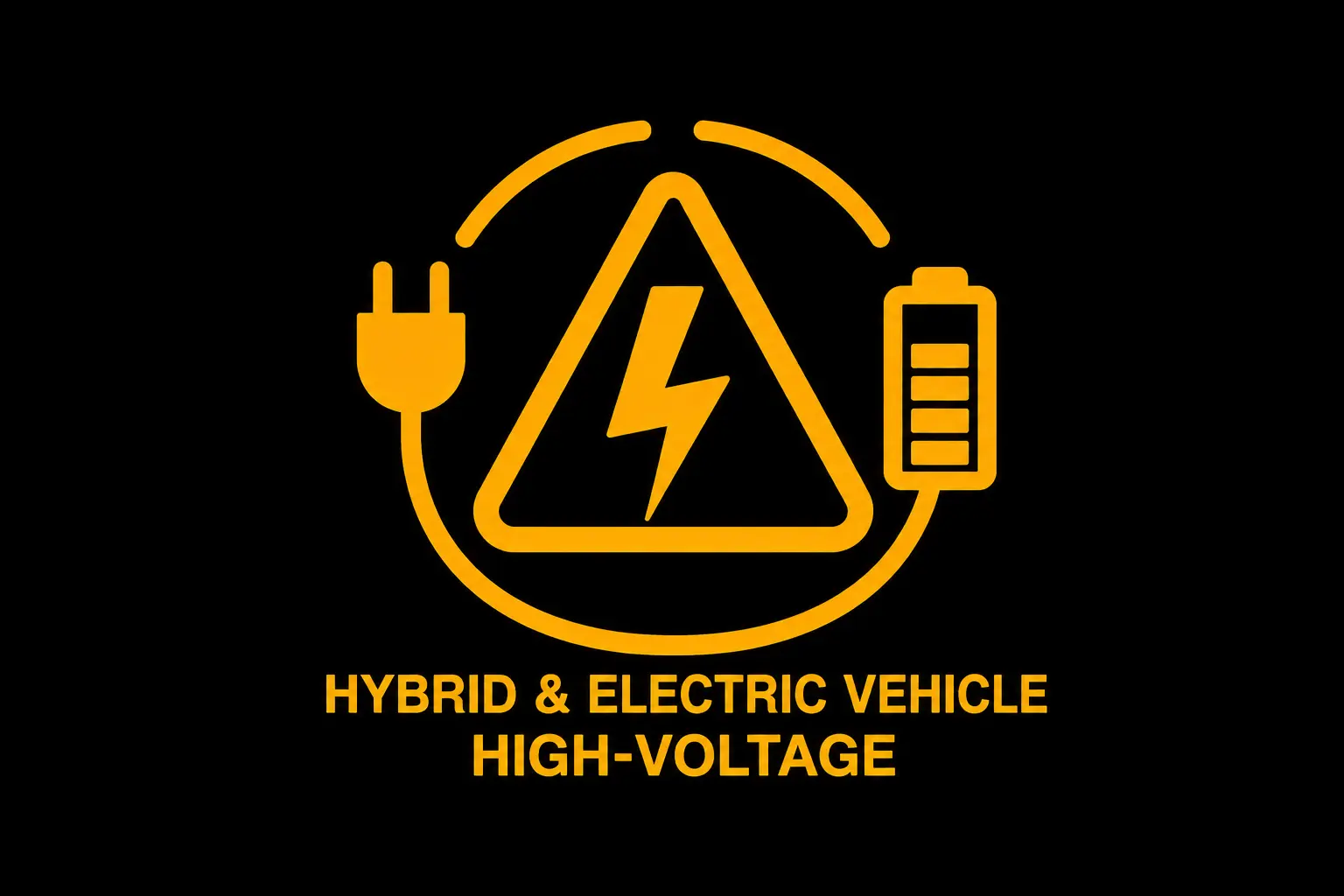 The High-Voltage Warning Light appears on many hybrid and electric vehicles (EVs) to indicate a problem with the vehicle’s high-voltage electrical system. Because these systems operate at extremely high voltages, only qualified technicians should diagnose or repair them. A fault may affect vehicle performance, charging, or battery operation.
Common Causes
- High-voltage battery fault
- Battery management system malfunction
- Charging system issue
- Inverter failure
- High-voltage cable problem
- Cooling system malfunction
- Electrical isolation fault
Can You Drive?
It depends. Some vehicles may enter reduced-power (limp) mode, while others may advise stopping immediately. Follow the message displayed on the dashboard and consult your owner’s manual if additional instructions are provided.
What Should You Do?
- Safely reduce speed if the vehicle enters limp mode.
- Do not attempt to service high-voltage components yourself.
- Stop driving if instructed by the vehicle.
- Arrange for professional diagnosis by a qualified EV technician.
- Follow all manufacturer safety recommendations.
Dashboard Warning Lights Chart
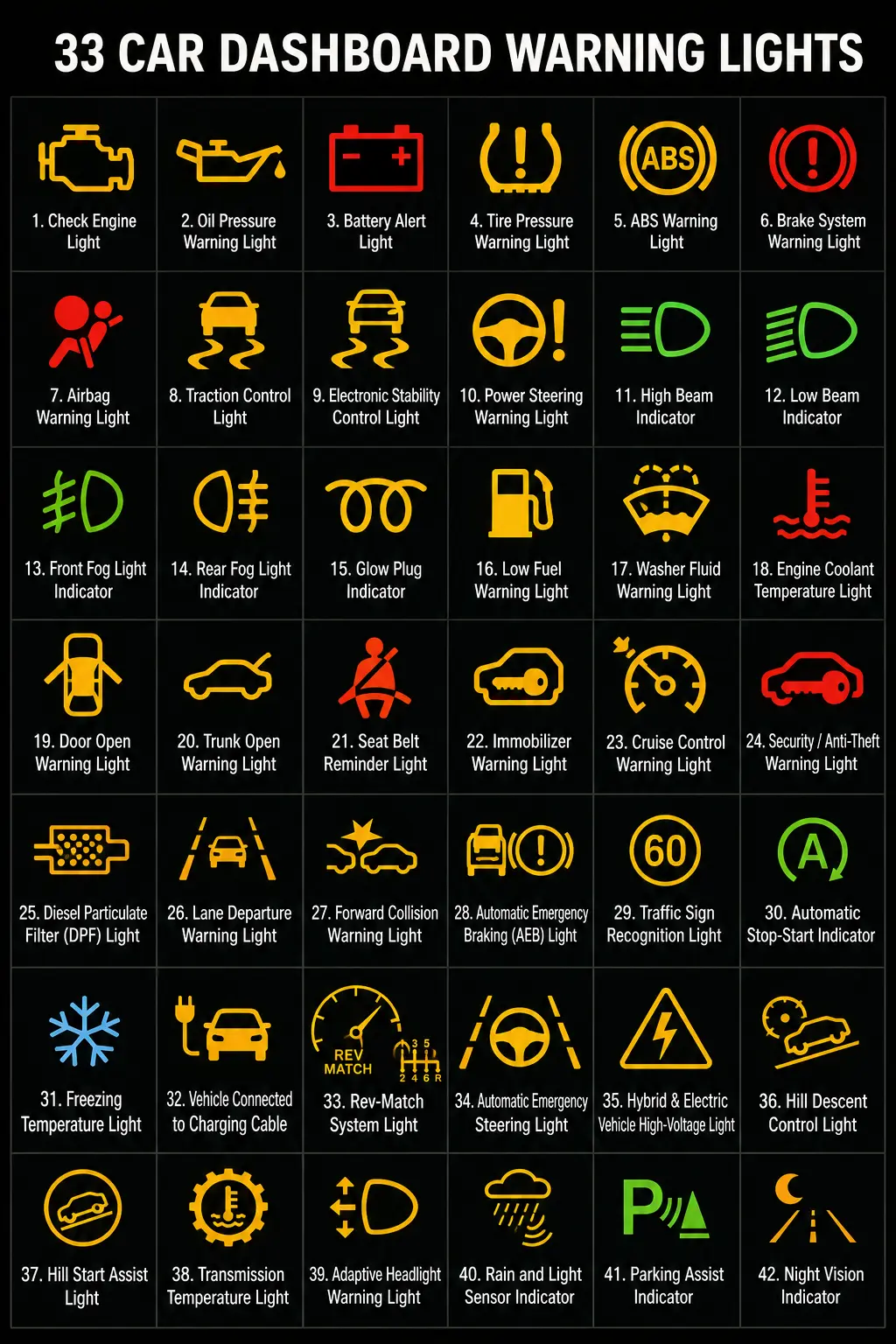
Dashboard Warning Lights That Require Immediate Attention
While every dashboard warning deserves attention, some indicate problems that could quickly damage your vehicle or create a dangerous driving situation. If any of the following lights appear, safely pull over and assess the situation before continuing.
These include:
- Oil Pressure Warning Light
- Engine Coolant Temperature Warning Light
- Brake System Warning Light
- Flashing Check Engine Light
- Battery Warning Light (if electrical systems begin failing)
- High-Voltage System Warning Light (hybrid and EV models)
Ignoring these warnings may lead to engine failure, brake problems, overheating, or unexpected vehicle breakdowns. If you’re unsure whether it’s safe to continue driving, it’s always better to stop and seek professional assistance.
Dashboard Warning Lights You Can Usually Drive With
Not every warning light requires you to stop immediately. Some simply indicate that a feature has been disabled or that maintenance is needed soon.
Examples include:
- Solid Check Engine Light
- ABS Warning Light
- TPMS Warning Light (if the tire isn’t rapidly losing air)
- Traction Control Warning Light
- Electronic Stability Control (ESC) Warning Light
- Lane Keep Assist Warning Light
- Traffic Sign Recognition Warning Light
- Cruise Control Warning Light
- Lamp Out Warning Light
Even though these warnings are often less urgent, they should not be ignored. Scheduling repairs early can help prevent larger problems and keep important safety systems operating correctly.
Conclusion
Although dashboard symbols are broadly standardized, always confirm the exact meaning in your owner’s manual because manufacturers may use slightly different icons and diagnostic logic. Following the manufacturer’s maintenance schedule is the best way to prevent many warning lights from appearing.
Dashboard warning lights are your vehicle’s way of letting you know when something needs your attention. Some indicators simply provide information, while others warn of problems involving the engine, brake system, charging system, cooling system, or other critical components.
Understanding what each warning light means can help you make informed decisions, reduce the risk of expensive repairs, and keep your vehicle safe to drive.
Whenever a warning light appears, don’t ignore it. Identify the symbol, understand its urgency, and take the appropriate action.
If you’re ever unsure, consult your owner’s manual or have the vehicle inspected by a qualified technician to keep it running safely and reliably.
Frequently Asked Questions
Why do all dashboard warning lights turn on when I start my car?
Most vehicles briefly illuminate every warning light during startup as part of a self-test. If the lights turn off after a few seconds, the system is operating normally. A light that remains on usually indicates a fault that requires attention.
Can I drive with a dashboard warning light on?
It depends on the warning light. Green and blue indicators are generally informational, while yellow or orange lights usually allow cautious driving until repairs are arranged. Red warning lights often require you to stop driving immediately to avoid safety risks or serious vehicle damage.
What is the most serious dashboard warning light?
Warnings involving oil pressure, engine overheating, brake system failure, or a flashing Check Engine Light are among the most serious because they can lead to major engine damage or affect vehicle safety if ignored.
What should I do if I don’t recognize a dashboard symbol?
Check your owner’s manual first, as dashboard symbols can vary slightly between manufacturers. If you’re still unsure, have the vehicle inspected or use an OBD-II diagnostic scanner if the warning is related to the engine or emissions system.